Everest Base Camp Trek for Beginners – Common Questions Answered
The Everest Base Camp Trek is one of the most famous trekking adventures in the world. Every year, thousands of people travel to Nepal to walk through beautiful mountain trails, visit traditional Sherpa villages, and stand at the base of the world’s highest mountain. If you are planning your first Himalayan adventure, this guide on Everest Base Camp Trek for Beginners will help answer the questions many first-time trekkers have before they book their trip.
Many people think this trek is only for experienced hikers, but that is not true. With good preparation, a steady walking pace, and enough time to adjust to the high altitude, beginners can also complete the journey. The trail is well established, and there are comfortable teahouses where trekkers can eat, rest, and stay each night.
The trek offers much more than reaching Everest Base Camp. Along the way, you will enjoy snow-covered peaks, peaceful forests, hanging suspension bridges, colorful prayer flags, and warm Sherpa hospitality. You will also visit famous places such as Namche Bazaar, Tengboche Monastery, and Kala Patthar, one of the best viewpoints for Mount Everest.
This guide answers the most common questions about planning, fitness, packing, costs, altitude, accommodation, food, and what you can expect during the trek, making it easier to prepare for your first visit to the Everest region.
Can a Beginner Do the Everest Base Camp Trek?
Yes, a beginner can do the Everest Base Camp Trek. Every year, thousands of first-time trekkers from around the world successfully reach Everest Base Camp. Many of them have never completed a high-altitude trek before. What matters most is proper preparation, realistic expectations, and a willingness to walk steadily each day.
One common misunderstanding is that the trek requires technical climbing skills. In reality, there is no mountaineering or rock climbing involved on the standard Everest Base Camp route. You do not need ropes, ice axes, or special climbing equipment. The trail follows well-established paths through villages, forests, and mountain landscapes. While some sections are steep and challenging, they can be completed by most healthy people with determination and basic fitness.
For those planning an Everest Base Camp Trek for Beginners, preparation is often more important than previous trekking experience. Regular walking, stair climbing, light hiking, and cardio exercises before the trip can help improve endurance and make the journey more enjoyable. Training a few months in advance can make a big difference during long trekking days.
A positive mindset is also important. The trek is not a race, and successful trekkers usually maintain a slow and steady pace. Taking enough rest, drinking plenty of water, and allowing the body time to adjust to the altitude are key parts of the experience. By staying patient and listening to your guide, beginners can confidently enjoy one of the world’s most rewarding trekking adventures.
How Difficult Is the Everest Base Camp Trek?
The Everest Base Camp Trek is generally considered a moderate to challenging trek. It does not require technical climbing, but it does require good physical fitness, patience, and determination. Most people who prepare well and follow a steady pace can complete the journey successfully.
On most trekking days, you will walk for about 5 to 7 hours. Some days are shorter, while others, such as the hike to Everest Base Camp or Kala Patthar, can take 7 to 8 hours. The trail includes many long uphill climbs, downhill sections, rocky paths, and stone steps. Walking at a higher altitude can also make even simple sections feel more tiring than expected.
The biggest challenge is not the distance but the high altitude. As you climb higher, the air becomes thinner and contains less oxygen. This can make you feel tired more quickly and increase the risk of altitude sickness. That is why proper acclimatization is an important part of the itinerary. Rest days in places like Namche Bazaar and Dingboche help your body adjust before climbing higher.
If you are planning an Everest Base Camp Trek for Beginners, remember that pacing is one of the most important factors for success. Walking too fast can leave you exhausted and may increase the chances of altitude-related problems. A slow and steady pace allows your body to adapt, helps you save energy, and lets you enjoy the beautiful mountain views, Sherpa villages, and peaceful surroundings along the trail.
Do I Need Previous Trekking Experience?
No, you do not need previous trekking experience to complete the Everest Base Camp Trek. Every year, many people visit the Everest region for their very first trekking adventure. While having experience on hiking trails can make you feel more confident, it is not a requirement for reaching Everest Base Camp.
What is more important is preparing your body before the trip. Regular walking is one of the best ways to build endurance for the trek. You can also include short hikes, stair climbing, cycling, or light jogging in your weekly routine. These activities improve your fitness and help your body get used to walking for several hours each day. If possible, practice carrying a small backpack during your training so you become comfortable with the extra weight.
People planning an Everest Base Camp Trek for Beginners should start preparing at least two or three months before their departure. A simple exercise routine and an active lifestyle can make the trek much more enjoyable. You do not need to be an athlete, but you should be able to walk at a steady pace over long distances.
Joining a guided trek is also a great choice for first-time trekkers. An experienced guide knows the trail, monitors your health, helps with altitude acclimatization, and shares local knowledge about the region. Guides also handle many travel arrangements, allowing you to focus on the trekking experience. With good preparation, regular exercise, and the support of a professional guide, even first-time trekkers can enjoy this unforgettable Himalayan journey.
How Fit Should I Be?
You do not need to be an athlete to complete the Everest Base Camp Trek, but you should have a good level of fitness. The trek involves walking for several hours each day on uneven mountain trails, with many uphill and downhill sections. Building your strength and endurance before the trip will help you enjoy the journey and recover more easily after each day’s walk.
For anyone planning an Everest Base Camp Trek for Beginners, cardio exercises are one of the best ways to prepare. Walking, jogging, cycling, swimming, or using a treadmill can improve your heart and lung fitness. Aim to do cardio exercises at least three to five times each week. These activities help your body handle long trekking days and higher altitudes.
Strength training is also helpful because it improves leg and core muscles. Simple exercises such as squats, lunges, step-ups, planks, and light weight training can increase stability and reduce tiredness on the trail. Stair climbing is another excellent exercise because it is similar to walking uphill in the mountains. If possible, practice walking with a backpack weighing around 5 to 8 kilograms to get used to carrying your daily essentials.
Start your training about 8 to 12 weeks before your trek. During the first few weeks, focus on regular walking and light exercises. As your fitness improves, gradually increase the distance, time, and intensity of your workouts. This steady approach helps build confidence and prepares your body for the challenges of trekking in the Everest region.
What Is the Best Time for Beginners to Visit Everest Base Camp?
The best time for beginners to visit Everest Base Camp is during the spring season from March to May and the autumn season from September to November. These two seasons offer the most stable weather, making the trek safer and more enjoyable for first-time visitors.
Spring is one of the most popular times to trek in the Everest region. The days are generally mild, and the skies are often clear. Colorful rhododendron forests bloom along the lower trails, adding beauty to the journey. The mountain views are usually excellent, allowing trekkers to enjoy clear sights of Mount Everest and many other Himalayan peaks.
Autumn is another great season for trekking. After the monsoon rains, the air becomes fresh and clean, creating outstanding visibility. The trails are dry and in good condition, making walking easier. The weather is usually stable, with sunny days and cool nights, which is ideal for long trekking days.
For anyone planning an Everest Base Camp Trek for Beginners, these seasons provide the best combination of comfortable temperatures, reliable trail conditions, and beautiful mountain scenery. The chances of flight delays are also generally lower compared to the rainy season.
The monsoon season from June to August can be more challenging because of heavy rainfall, muddy trails, slippery paths, and cloudy skies that often hide the mountain views. Winter, from December to February, brings freezing temperatures, snowfall, and icy trails at higher elevations. These conditions can make the trek more demanding, especially for people with little or no high-altitude trekking experience.
How Many Days Does the Trek Take?
The standard Everest Base Camp Trek usually takes 12 to 14 days, depending on the itinerary you choose. Most trekking packages include a flight between Kathmandu and Lukla, daily walks through the Everest region, two acclimatization days, and the return journey back to Lukla. This schedule gives your body enough time to adjust to the increasing altitude while allowing you to enjoy the experience without rushing.
Most itineraries include acclimatization days in Namche Bazaar and Dingboche. These are not complete rest days where you stay inside your teahouse. Instead, you take short hikes to higher viewpoints and then return to sleep at a lower altitude. This method helps your body adapt to the thinner air and lowers the risk of altitude sickness. These extra days are an important part of a safe trekking plan and should not be skipped.
For anyone planning an Everest Base Camp Trek for Beginners, choosing an itinerary with proper acclimatization is much more important than finishing the trek quickly. A slower schedule gives your body more time to adjust, reduces fatigue, and allows you to enjoy the scenery without feeling rushed.
After reaching Everest Base Camp and visiting Kala Patthar, the return journey usually takes three to four days. Since most of the trail is downhill, many trekkers find the return walk easier, although it can still be tiring on the knees and legs. Along the way, you will pass through familiar villages such as Pheriche, Namche Bazaar, and Lukla before taking your flight back to Kathmandu.
How Much Does an Everest Base Camp Trek Cost?
The cost of an Everest Base Camp Trek depends on the type of package, the trekking company, and the services included. For most international travelers, a guided trek usually costs between USD 1,200 and USD 2,500 per person. Luxury packages or private trips may cost more, while basic group treks are often more affordable.
The total price usually includes domestic flights between Kathmandu or Ramechhap and Lukla, trekking permits, guide fees, accommodation in teahouses, and most meals during the trek. Many trekkers also hire a porter to carry their luggage, which is an additional cost but can make the journey much more comfortable.
If you are planning an Everest Base Camp Trek for Beginners, remember to include personal expenses in your budget. These may include trekking equipment, travel insurance, snacks, hot showers, Wi-Fi, battery charging, drinking water, and tips for your guide and porter. If you already own trekking gear, you can save money, but first-time trekkers may need to buy or rent items such as trekking boots, a sleeping bag, warm clothing, and trekking poles.
Travel insurance is another important expense because it should cover high-altitude trekking and emergency helicopter evacuation if needed. While it adds to the overall cost, it provides valuable protection during your trip.
Before booking, always check what is included in the package price. Comparing services instead of only looking at the lowest price can help you choose a trek that offers good value, reliable support, and a better overall experience.
What Is the Maximum Altitude?
The Everest Base Camp Trek takes you to some of the highest places that most people will ever visit on foot. Everest Base Camp sits at an altitude of 5,364 meters (17,598 feet), while Kala Patthar, the highest point on the standard trekking route, reaches 5,545 meters (18,192 feet). Although Everest Base Camp is the main destination, many trekkers hike to Kala Patthar because it offers one of the best close-up views of Mount Everest.
During the trek, you gain altitude gradually over several days. Most trekkers begin after flying to Lukla, which is located at about 2,860 meters. From there, the trail passes through villages such as Namche Bazaar, Tengboche, Dingboche, and Lobuche before reaching Everest Base Camp. As the altitude increases, the air becomes thinner, and there is less oxygen available. This is why many people notice they become tired more quickly, even when walking at a slow pace.
For anyone planning an Everest Base Camp Trek for Beginners, understanding altitude gain is very important. The body needs time to adjust to higher elevations, which is why most itineraries include acclimatization days. These planned stops help reduce the risk of altitude sickness and allow your body to adapt naturally.
Reaching over 5,000 meters is a major achievement, but it is important to remember that success depends on walking slowly, staying well hydrated, eating enough food, and following a proper itinerary rather than trying to reach the highest point as quickly as possible.
What Is Altitude Sickness and How Can I Avoid It?
Altitude sickness is one of the biggest concerns during the Everest Base Camp Trek because the trail reaches elevations above 5,000 meters. As you climb higher, the air contains less oxygen, and your body needs time to adjust. Anyone can develop altitude sickness, no matter their age or fitness level, so it is important to understand the signs and how to prevent it.
Common symptoms include headache, dizziness, tiredness, nausea, loss of appetite, trouble sleeping, and shortness of breath while resting. Mild symptoms can often improve with rest, but severe symptoms should never be ignored. If you experience serious breathing problems, confusion, or difficulty walking, you should descend to a lower altitude immediately and seek medical help.
For anyone planning an Everest Base Camp Trek for Beginners, the best way to avoid altitude sickness is to climb slowly and follow a proper itinerary with acclimatization days. These planned stops allow your body to adjust before moving to a higher elevation. Walking at a slow and steady pace is much safer than trying to reach the destination quickly.
Staying well hydrated is also important. Drink plenty of water throughout the day, eat regular meals, and avoid excessive alcohol during the trek. Many trekkers also discuss altitude medication with their doctor before traveling, but it should not replace proper acclimatization.
Listening to your body is one of the most important parts of a safe trek. If your symptoms become worse instead of improving, the safest decision is to stop climbing and descend to a lower altitude until you recover.
What Should I Pack?
Packing the right gear can make your Everest Base Camp Trek more comfortable and enjoyable. The weather in the Himalayas can change quickly, so it is important to carry clothing that keeps you warm, dry, and comfortable. Dress in layers, including a moisture-wicking base layer, a warm fleece or down jacket, and a waterproof outer jacket. Warm gloves, a hat, thermal clothing, and extra socks are also useful, especially at higher altitudes.
A good pair of trekking boots is one of the most important items on your packing list. Choose waterproof boots that are already broken in before your trip to help prevent blisters. A warm sleeping bag rated for cold temperatures is also recommended because nights in the higher villages can be very cold.
If you are planning an Everest Base Camp Trek for Beginners, carry a comfortable daypack for your daily essentials. Inside your backpack, keep a reusable water bottle or hydration bladder, snacks, a rain cover, and any important documents. Trekking poles can reduce pressure on your knees and provide better balance on steep uphill and downhill trails.
Do not forget personal medicine, a basic first aid kit, and any prescription medications you need. Sunglasses with UV protection are important because the sun is much stronger at higher elevations. Sunscreen with a high SPF and lip balm help protect your skin from strong sunlight and cold winds. A headlamp with extra batteries is also useful for early morning hikes, evenings in teahouses, or power outages in remote villages.
Is the Everest Base Camp Trek Worth It for Beginners?
Yes, the Everest Base Camp Trek is worth it for beginners who are ready to prepare well and take on a rewarding adventure. Reaching the base of the world’s highest mountain is a personal achievement that many people dream about for years. Every step along the trail brings a sense of progress and makes the experience even more meaningful.
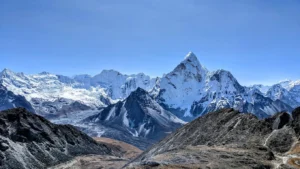
One of the biggest reasons people choose this trek is the incredible Himalayan scenery. Along the route, you will see snow-covered mountains, deep valleys, glaciers, rivers, and beautiful forests. Famous peaks such as Mount Everest, Lhotse, Ama Dablam, and Nuptse create unforgettable views throughout the journey. The changing landscape makes every day on the trail feel different.
The trek also offers a chance to experience Sherpa culture. You will pass through traditional villages, visit ancient monasteries, spin prayer wheels, and see colorful prayer flags. Meeting local people and learning about their way of life adds another special part to the journey. Staying in family-run teahouses also gives you a better understanding of the culture and hospitality of the Everest region.
For anyone considering an Everest Base Camp Trek for Beginners, it is encouraging to know that thousands of first-time trekkers successfully complete the route every year. They achieve this by training before the trip, following a proper itinerary, walking at a steady pace, and allowing enough time for acclimatization. The memories of reaching Everest Base Camp, watching the sunrise from Kala Patthar, and sharing the journey with fellow trekkers often stay with people for a lifetime.
Conclusion
The Everest Base Camp Trek is an unforgettable adventure that many beginners successfully complete every year. You do not need previous trekking experience, but you do need good preparation, a positive attitude, and enough time to adjust to the high altitude. Training before your trip, packing the right gear, and following a well-planned itinerary can make the journey safer and more enjoyable.
If you are planning an Everest Base Camp Trek for Beginners, take time to learn about the trail, weather, altitude, and daily walking schedule before you travel. Understanding what to expect helps you feel more confident and allows you to enjoy every part of the journey, from the mountain views and Sherpa villages to the unforgettable moment of reaching Everest Base Camp.
Choosing a reliable trekking company is just as important as preparing yourself. An experienced local guide, proper acclimatization schedule, quality accommodation, and professional support can make a big difference throughout the trek. A trusted trekking company will also help with permits, transportation, and safety, allowing you to focus on the experience instead of the logistics.
If you are ready to turn your dream into reality, now is a great time to start planning your Everest adventure. Contact our team to learn more about our Everest Base Camp Trek packages, ask any questions you may have, or request a personalized itinerary that matches your fitness level, travel dates, and trekking goals.
Make an Inquiry



 June 2, 2026
A Beginner’s Guide to Flora and Fauna of Nepal
Introduction to Flora and Fauna of Nepal The Flora and Fauna of Nepal refers to all the plants and animals...
 March 17, 2026
Crossing Kongma La Pass – A Tough but Beautiful Himalayan Adventure
Where is Kongma La Pass Kongma La Pass is a high mountain pass in the Everest region of Nepal. It...