Kanchenjunga Base Camp Trek
Kanchenjunga Base Camp Trek is a spectacular remote Himalayan adventure offering breathtaking views of Mount Kanchenjunga, pristine landscapes, traditional mountain villages, and an unforgettable journey through one of Nepal’s most untouched trekking regions.

Trip Duration
29 Days

Country
Nepal

Region
Kanchenjunga

Activities
Trekking and Camping

Grade
Very Strenuous

Max Altitude
(5,140m)

Best Season
Spring (May to March) and Autumn (October to November)

Accomodation
Tea house and Camping

Meals
Breakfast, Lunch, Dinner

Start-End Point
Kathmandu - Kathmandu

Group Size
2 - 2 +

Transportation
Tourist bus , 4wd jeep , flight
Kanchenjunga Base Camp Trek Overview
World’s Third-Highest Mountain
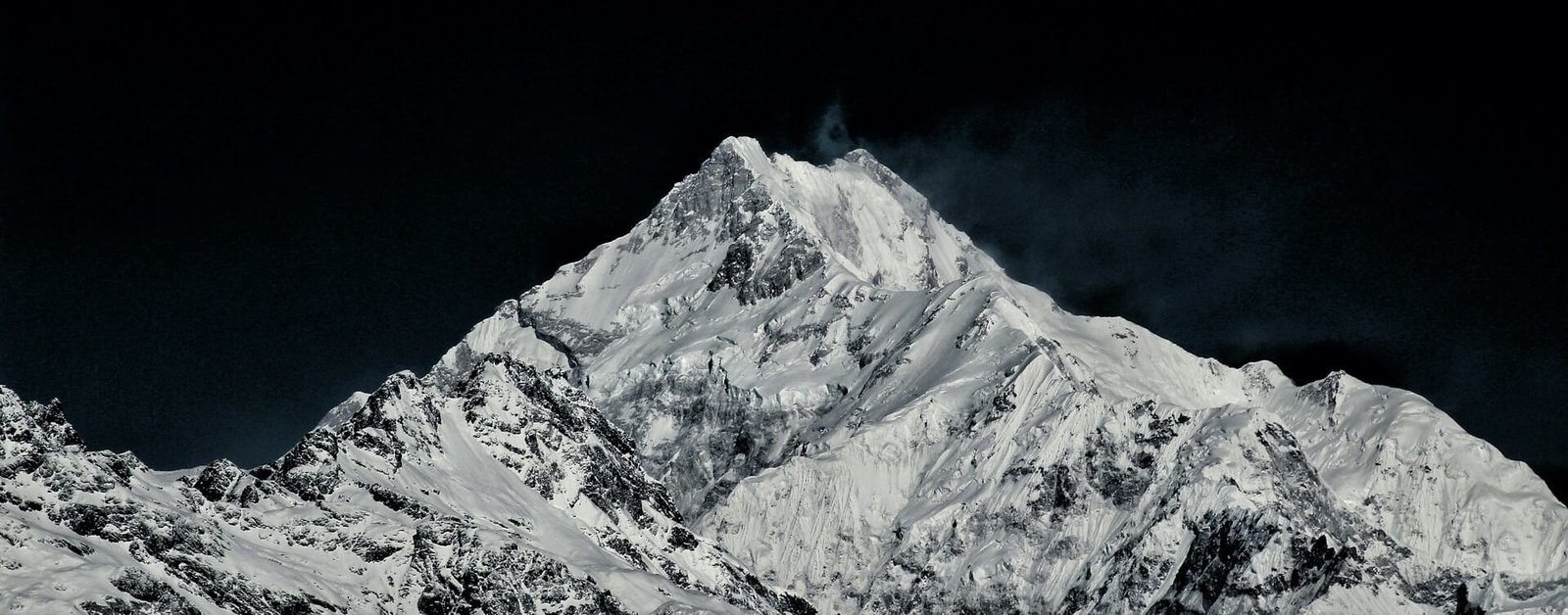
The Kanchenjunga Base Camp Trek is a spectacular high-altitude adventure that takes you deep into the remote eastern Himalayas of Nepal, to the base of Mount Kanchenjunga (8,586 m / 28,169 ft), the third-highest mountain in the world. The trek offers an incredible combination of towering Himalayan peaks, remote valleys, alpine meadows, glaciers, forests, and traditional mountain communities.
Trek Through the Remote Eastern Himalayas
Located in eastern Nepal near the Nepal–Sikkim border, the Kanchenjunga region is one of the country’s most remote and less-traveled trekking destinations. Unlike the more crowded Everest Base Camp Trek and Annapurna Circuit Trek, the Kanchenjunga route offers a quieter Himalayan experience with fewer trekkers and a stronger sense of wilderness.
Kanchenjunga Conservation Area
Much of the trekking route lies within the Kanchenjunga Conservation Area, which was established to protect the region’s unique ecosystems, wildlife, and local communities. The protected area features diverse landscapes ranging from subtropical forests to high alpine environments. You can learn more about the region through the Nepal Tourism Board’s information on Kanchenjunga Conservation Area.
Diverse Landscapes and Rhododendron Forests
The trail passes through lush forests, green valleys, terraced farmland, alpine meadows, and rugged mountain terrain. During spring, the forests become especially colorful as rhododendrons and other Himalayan flowers bloom along the trail. Numerous rivers, waterfalls, suspension bridges, and changing landscapes make every section of the journey unique.
Spectacular Himalayan Mountain Views
The trek provides impressive views of Mount Kanchenjunga (8,586 m) and numerous surrounding peaks. Depending on the route and weather conditions, trekkers can see Yalung Kang (8,505 m), Jannu (7,710 m), Jongsong Peak, Kabru, Tent Peak, and Twins, creating an extraordinary panorama of the eastern Himalayan range.
Explore Kanchenjunga’s Glaciers
Glaciers are another major attraction of the Kanchenjunga region. The trekking route provides spectacular views of several significant glaciers, including the Yalung Glacier and Kanchenjunga Glacier. The dramatic combination of ice-covered peaks, glacial valleys, and rugged mountain terrain creates some of the most impressive scenery of the trek.
North and South Base Camp Experience
One of the unique features of the Kanchenjunga Base Camp Trek is the opportunity to explore both the North Base Camp and South Base Camp areas, depending on your chosen itinerary. Reaching these remote base-camp areas brings you remarkably close to the massive Kanchenjunga massif and offers different perspectives of the mountain and surrounding glaciers.
Experience Local Culture and Mountain Villages
The route passes through traditional villages inhabited by communities including Limbu, Rai, Sherpa, and Tibetan-influenced groups. Staying in local teahouses and interacting with residents allows trekkers to experience traditional Himalayan hospitality, local customs, food, and ways of life that remain relatively untouched by mass tourism.
Wildlife and Himalayan Biodiversity
The Kanchenjunga region is also known for its rich biodiversity. The conservation area provides habitat for rare and endangered wildlife, including the red panda, snow leopard, Himalayan black bear, musk deer, and numerous bird species. The changing vegetation and wildlife make this trek particularly attractive to nature lovers, photographers, and adventure seekers.
A Challenging Long-Distance Trek
The Kanchenjunga Base Camp Trek is a demanding long-distance Himalayan journey and is best suited to trekkers with good physical fitness and adequate preparation. Depending on the itinerary, the trek can take around 20–30 days, with long walking days, steep ascents and descents, remote trails, and several high-altitude sections. Proper acclimatization is essential when trekking above 4,000 meters.
Trekking Permits and Regulations
Because Kanchenjunga is a restricted trekking region, trekkers need the appropriate restricted-area permit and Kanchenjunga Conservation Area Permit (KCAP). Current trekking regulations can change, so it is important to check the latest requirements before departure. The Nepal Tourism Board’s official trekking permit information provides useful guidance for planning your trek.
Why Choose Kanchenjunga Base Camp Trek?
The Kanchenjunga Base Camp Trek is ideal for adventurous travelers seeking a remote and authentic Himalayan experience. The combination of Mount Kanchenjunga, dramatic glaciers, high mountain landscapes, rhododendron forests, traditional villages, local culture, and exceptional biodiversity makes this one of Nepal’s most rewarding long-distance trekking adventures.
An Unforgettable Himalayan Adventure
With its remote trails, spectacular mountain scenery, pristine landscapes, and limited tourist infrastructure, Kanchenjunga offers a very different experience from Nepal’s popular trekking routes. If you have sufficient time, good physical fitness, and a passion for exploring less-traveled destinations, the Kanchenjunga Base Camp Trek provides an unforgettable journey deep into the eastern Himalayas of Nepal.
Trek Highlights
- Mount Kanchenjunga (8,586 m / 28,169 ft) – Trek to the base of the world's third-highest mountain.
- Pang Pema (5,140 m / 16,864 ft) – Reach the famous North Base Camp viewpoint with breathtaking mountain panoramas.
- Yalung Ri Base Camp (5,400 m / 17,717 ft) – Experience one of the highest and most remote points of the trek.
- Yalung Glacier & Kanchenjunga Glacier – Witness dramatic glaciers, ice formations, and rugged Himalayan landscapes.
- Jannu (7,710 m / 25,295 ft) – Enjoy spectacular views of the distinctive and imposing Mount Jannu.
- Mirgin La Pass (4,480 m / 14,698 ft) – Cross a challenging high mountain pass surrounded by panoramic Himalayan scenery.
- Remote Himalayan Villages – Visit traditional villages such as Ghunsa, Kambachen, Lhonak, and Amjilosa.
- Kanchenjunga Conservation Area – Trek through protected wilderness rich in Himalayan flora and wildlife.
- Rhododendron & Alpine Forests – Walk through beautiful forests, especially colorful during the spring season.
- Rich Local Culture – Experience the traditions, hospitality, and lifestyles of Limbu, Rai, Sherpa, and Tibetan-influenced communities.
- Rare Himalayan Wildlife – Keep an eye out for wildlife such as the red panda, snow leopard, Himalayan black bear, and musk deer.
- Remote & Less-Crowded Trails – Enjoy a genuine wilderness experience away from Nepal's busier trekking routes.
- Multi-Week Camping Adventure – Experience an authentic expedition-style journey with tented camps, trekking crews, and remote mountain landscapes.
- Exceptional Himalayan Panoramas – Enjoy views of Kanchenjunga and numerous surrounding peaks throughout the journey.
Brief Itinerary
- Day 01: Arrival in Kathmandu – 1,400 m / 4,593 ft
- Day 02: Guided Sightseeing in Kathmandu Valley – 1,400 m / 4,593 ft
- Day 03: Fly to Biratnagar – 72 m / 236 ft – 40-minute flight
- Day 04: Fly to Taplejung – 2,320 m / 7,612 ft – Trek to Lali Kharka – 2,276 m / 7,467 ft
- Day 05: Trek to Khesewa – 2,120 m / 6,955 ft
- Day 06: Trek to Mamankhe – 1,920 m / 6,299 ft
- Day 07: Trek to Yamphudin – 2,080 m / 6,824 ft
- Day 08: Trek to Chitre – 2,965 m / 9,728 ft
- Day 09: Trek to Tortongn – 3,010 m / 9,875 ft
- Day 10: Trek to Tseram – 3,870 m / 12,697 ft
- Day 11: Trek to Ramche – 4,580 m / 15,026 ft
- Day 12: Explore Ramche and Trek to Oktang – 4,730 m / 15,518 ft
- Day 13: Trek to Yalung Ri Base Camp – 5,400 m / 17,717 ft
- Day 14: Trek Back to Ramche – 4,580 m / 15,026 ft
- Day 15: Trek to Sallerle via Mirgin La Pass – 4,480 m / 14,698 ft
- Day 16: Trek to Ghunsa – 3,475 m / 11,401 ft
- Day 17: Trek to Kambachen – 4,040 m / 13,255 ft
- Day 18: Exploration Day at Kambachen – 4,040 m / 13,255 ft
- Day 19: Trek to Lhonak – 4,790 m / 15,715 ft
- Day 20: Trek to Pang Pema – 5,140 m / 16,864 ft
- Day 21: Explore Kanchenjunga Base Camp – 5,100 m / 16,732 ft – Return to Kambachen
- Day 22: Trek to Ghunsa – 3,475 m / 11,401 ft
- Day 23: Trek to Amjilosa – 2,460 m / 8,071 ft
- Day 24: Trek to Sakathum – 1,600 m / 5,249 ft
- Day 25: Trek to Chhiruwa – 1,200 m / 3,937 ft
- Day 26: Trek to Suketar – 2,420 m / 7,940 ft
- Day 27: Fly from Suketar to Kathmandu – 1,400 m / 4,593 ft
- Day 28: Leisure Day and Farewell Dinner in Kathmandu – 1,400 m / 4,593 ft
- Day 29: Transfer to the International Airport for Final Departure – 1,400 m / 4,593 ft
Detail Itinerary
Expand AllUpon arrival at Tribhuvan International Airport, our representative will welcome you and transfer you to your hotel in Kathmandu. After checking in, you can rest and recover from your journey. If time permits, you can explore the nearby streets of Thamel. In the evening, your trek leader will provide a briefing about the Kanchenjunga Base Camp Trek and check your trekking equipment.
Max Altitude:
(1,400m)
Meals:
Breakfast, Lunch, Dinner
Today is dedicated to exploring some of Kathmandu Valley’s cultural and historical attractions. Depending on the sightseeing schedule, you may visit UNESCO World Heritage Sites such as Swayambhunath, Pashupatinath Temple, Boudhanath Stupa, or Kathmandu Durbar Square. After sightseeing, you will have time to make final preparations for the trek.
Max Altitude:
(1,400m)
Meals:
Breakfast, Lunch, Dinner
After breakfast, transfer to the airport for your flight from Kathmandu to Biratnagar. The flight takes approximately 40 minutes and offers a transition from the Kathmandu Valley to Nepal’s southeastern lowlands. Upon arrival, transfer to your guesthouse and spend the rest of the day preparing for the next day’s flight toward the Kanchenjunga region.
Max Altitude:
(80m)
Meals:
Breakfast, Lunch, Dinner
Today, you fly toward Taplejung/Suketar, the gateway to the Kanchenjunga region. After completing the necessary preparations, begin your first trek toward Lali Kharka. The trail passes through green hills, forests, and small settlements, providing your first taste of the remote eastern Himalayas.
Max Altitude:
(2,320m to 2,276m)
Meals:
Breakfast, Lunch, Dinner
After breakfast, begin walking through beautiful forests and hillside trails toward Khesewa. The route passes through rural settlements and terraced farmland, giving you an opportunity to observe the traditional lifestyle of eastern Nepal. The trail includes several ascents and descents before reaching the overnight campsite.
Max Altitude:
(2,120m)
Meals:
Breakfast, Lunch, Dinner
Today’s trail continues through lush forests and traditional villages. You will cross streams and suspension bridges while gradually making your way toward Mamankhe. The surrounding hills are covered with dense vegetation, and the route offers a peaceful introduction to the less-traveled Kanchenjunga landscape.
Max Altitude:
(1,920m)
Duration:
(5 hrs)
Meals:
Breakfast, Lunch, Dinner
The trail today follows a scenic mountain route through forests, cultivated hillsides, and traditional settlements. You will gradually gain elevation before reaching Yamphudin, a culturally diverse village inhabited by different ethnic communities. The village provides a good opportunity to experience local Himalayan hospitality.
Max Altitude:
(2,080m)
Duration:
(6 hrs)
Meals:
Breakfast, Lunch, Dinner
Today marks a gradual transition into higher mountain terrain. The trail climbs through forests of rhododendron, oak, and other Himalayan vegetation. As you gain elevation, the landscape becomes more alpine and the surrounding mountain views become increasingly impressive. Arrive at Chitre and settle into your campsite.
Max Altitude:
(2,965m)
Duration:
(5 hrs)
Meals:
Breakfast, Lunch, Dinner
Continue along the trail toward Tortongn, walking through beautiful rhododendron forests and remote mountain landscapes. The trail follows sections of the Simbhuwa Khola and gradually enters a more rugged environment. You will notice the vegetation changing as you approach higher elevations.
Max Altitude:
(3,010m)
Duration:
( 5hrs )
Meals:
Breakfast, Lunch, Dinner
Today’s trek takes you deeper into the Kanchenjunga wilderness. The trail climbs steadily through forests and along the river valley. As you approach Tseram, the surrounding landscape becomes increasingly rugged and alpine. The increasing altitude makes it important to maintain a slow and steady pace.
Max Altitude:
(3,870m)
Duration:
(6 hrs)
Meals:
Breakfast, Lunch, Dinner
After breakfast, continue toward Ramche, located deep within the high Himalayan landscape. The vegetation becomes sparse as you climb higher, while snow-covered peaks and glaciers begin to dominate the scenery. Take your time today because the increasing elevation requires careful pacing.
Max Altitude:
(4,580m)
Duration:
(4 hrs)
Meals:
Breakfast, Lunch, Dinner
Today is one of the major highlights of the southern Kanchenjunga section. From Ramche, you follow the trail toward Oktang while enjoying spectacular views of the Yalung Glacier and surrounding peaks. The remote landscape becomes increasingly dramatic as you approach the Kanchenjunga South Base Camp area.
Max Altitude:
(4,730m)
Duration:
(5hrs)
Meals:
Breakfast, Lunch, Dinner
This is one of the highest and most demanding days of the trek. The route climbs through rugged glacial terrain toward Yalung Ri Base Camp. At this altitude, you must walk slowly and carefully. The reward is an extraordinary panorama of Kanchenjunga and the surrounding Himalayan peaks.
Max Altitude:
(5,400m)
Duration:
(5 hrs)
Meals:
Breakfast, Lunch, Dinner
After exploring the high-altitude landscape, retrace your route back toward Ramche. The descent provides some relief after reaching the high point of the southern base camp section. Enjoy the changing scenery as you move back toward lower elevations.
Max Altitude:
(4,580m)
Duration:
(5 hrs)
Meals:
Breakfast, Lunch, Dinner
Today you cross the challenging Mirgin La Pass. The trail climbs through rugged high-altitude terrain before reaching the pass, where you can enjoy spectacular views of the surrounding Himalayan peaks. After crossing the pass, descend toward Sallerle for the night.
Max Altitude:
(4,480m)
Duration:
(6 hrs)
Meals:
Breakfast, Lunch, Dinner
The trail descends through alpine landscapes and eventually returns to more densely vegetated areas. Continue toward Ghunsa, one of the most important villages in the upper Kanchenjunga region. Ghunsa is a traditional Tibetan-influenced settlement and an important stopping point for trekkers.
Max Altitude:
(3,475m)
Duration:
(5 hrs)
Meals:
Breakfast, Lunch, Dinner
Today’s trail follows the Ghunsa Khola through a dramatic mountain valley. You will walk through forests and increasingly rugged terrain while enjoying views of surrounding peaks. The route eventually reaches Kambachen, a remote settlement surrounded by spectacular Himalayan scenery.
Max Altitude:
(4,040m)
Duration:
(6 hrs)
Meals:
Breakfast, Lunch, Dinner
Today is an acclimatization and exploration day in Kambachen. You can take a short hike around the surrounding valleys and viewpoints while avoiding unnecessary physical strain. This rest day helps your body adapt to the high altitude before continuing toward Lhonak and Pang Pema.
Max Altitude:
(4,040m)
Meals:
Breakfast, Lunch, Dinner
Today you enter one of the most remote and spectacular sections of the trek. The trail follows the Kanchenjunga Glacier and passes through rugged terrain with dramatic mountain walls surrounding the valley. As you approach Lhonak, the landscape becomes increasingly barren and alpine.
Max Altitude:
(4,790m)
Duration:
(6 hrs)
Meals:
Breakfast, Lunch, Dinner
Today is another major highlight as you trek toward Pang Pema, the North Base Camp viewpoint of Mount Kanchenjunga. The route follows the glacier valley through a spectacular high-altitude landscape. From Pang Pema, enjoy magnificent views of Kanchenjunga and the surrounding Himalayan peaks before returning to Lhonak or the planned overnight campsite.
Max Altitude:
(5,140m)
Duration:
(4 hrs)
Meals:
Breakfast, Lunch, Dinner
Start early for another spectacular day in the Kanchenjunga Base Camp region. The route takes you through the high Himalayan landscape toward the base camp area, offering unforgettable views of glaciers, ice-covered peaks, and the Kanchenjunga massif. After exploration, begin the long descent toward Kambachen.
Max Altitude:
(5,100m)
Duration:
(5 hrs)
Meals:
Breakfast, Lunch, Dinner
After several demanding days at high altitude, descend toward Ghunsa. The trail follows the valley through rocky terrain and alpine vegetation before returning to the more comfortable elevation of Ghunsa. Enjoy a relaxing evening in the village.
Max Altitude:
(3,475m)
Duration:
(6 hrs)
Meals:
Breakfast, Lunch, Dinner
Continue descending through the Kanchenjunga wilderness. The landscape becomes greener as you lose elevation, with forests and streams replacing the stark alpine terrain. After several hours of walking, arrive at Amjilosa, a traditional mountain settlement.
Max Altitude:
(2,460m)
Duration:
(4 hrs)
Meals:
Breakfast, Lunch, Dinner
Today’s trail continues through forests and steep hillside terrain as you gradually descend toward Sakathum. The warmer climate and greener vegetation become noticeable as you move toward lower elevations.
Max Altitude:
(1,600m)
Duration:
(5 hrs)
Meals:
Breakfast, Lunch, Dinner
Continue along the trail toward Chhiruwa, following sections of the Tamor River and crossing suspension bridges. The route passes through villages, forests, and terraced hillsides. After reaching Chhiruwa, enjoy your final night in the trekking region.
Max Altitude:
(1,200m)
Duration:
(5 hrs)
Meals:
Breakfast, Lunch, Dinner
Today is the final trekking day. The trail climbs gradually from Chhiruwa toward Suketar, passing through rural villages and forested hills. Upon reaching Suketar, celebrate the completion of your long Kanchenjunga adventure.
Max Altitude:
(2,420m)
Duration:
(5 hrs)
Meals:
Breakfast, Lunch, Dinner
After breakfast, transfer to the airport for your flight back to Kathmandu. Upon arrival, transfer to your hotel and enjoy a well-deserved rest after completing the Kanchenjunga Base Camp Trek.
Max Altitude:
2,420 m / 7,940 ft
Meals:
Breakfast, Lunch, Dinner
Enjoy a relaxing day in Kathmandu after your long Himalayan adventure. You can explore Thamel, shop for souvenirs, visit cultural attractions, or simply rest at your hotel. In the evening, join a farewell dinner with your trekking team and celebrate the successful completion of your journey.
Max Altitude:
1,400 m / 4,593 ft
Meals:
Breakfast, Lunch, Dinner
Your Kanchenjunga Base Camp adventure comes to an end today. Depending on your flight schedule, our representative will transfer you to Tribhuvan International Airport for your onward journey. Take home unforgettable memories of Mount Kanchenjunga, remote Himalayan valleys, glaciers, high mountain passes, and the communities you encountered along the trail.
Max Altitude:
1400 m / 4,593 ft
Duration:
Approximately 30 minutes to the airport
Meals:
Breakfast,
Kanchenjunga Base Camp Trek Includes/Exclude
- Airport pickup and drop-off by private vehicle
- 3-star hotel accommodation in Kathmandu
- Accommodation in tented camps during the trek
- Breakfast in Kathmandu
- Full-board meals during the trek: breakfast, lunch, and dinner
- Experienced, licensed, English-speaking trekking guide
- Required porters and trekking support staff
- Guide and porter salary, meals, accommodation, and insurance
- Guide and porter salary, meals, accommodation, and insurance
- Kanchenjunga Restricted Area Trekking Permit
- Kanchenjunga Conservation Area Permit (KCAP)
- TIMS card, as applicable under current regulations
- Domestic flights: Kathmandu–Biratnagar, Biratnagar–Taplejung, and Suketar–Kathmandu, according to the itinerary
- Airport transfers for domestic flights
- Camping equipment, including tents, dining tent, kitchen tent, toilet tent, and necessary camping equipment
- Kitchen and cooking crew for camping sections
- Sleeping bags and down jackets, if provided by the trekking company
- Basic first-aid medical kit
- Trekking map
- Kathmandu Valley sightseeing with an experienced city guide
- Ground transportation required by the itinerary
- Government taxes and official service charges
- Farewell dinner in Kathmandu
- International flights to and from Nepal
- Nepal entry visa fee
- Travel insurance
- Emergency helicopter evacuation and medical expenses
- Personal medical expenses and medication
- Personal trekking equipment and clothing
- Extra baggage charges on domestic flights
- Excess baggage or porter costs beyond the agreed allowance
- Lunch and dinner in Kathmandu, except the included farewell dinner
- Bottled water, soft drinks, alcoholic beverages, and personal snacks
- Hot showers and personal washing expenses
- Wi-Fi, mobile data, and communication costs
- Battery charging and electricity expenses
- Personal expenses and shopping
- Tips for guides, porters, cooks, and other trekking staff
- Additional accommodation or meals caused by flight delays, bad weather, illness, or itinerary changes
- Additional costs resulting from landslides, road blockages, snowfall, natural disasters, political disturbances, or other unforeseen circumstances
- Any services or expenses not specifically mentioned under “Includes”
Kanchenjunga Base Camp Trek Altitude Chart
Kanchenjunga Base Camp Trek Gallery/Video

Best Time for the Kanchenjunga Base Camp Trek
The best time for the Kanchenjunga Base Camp Trek is generally during spring (March to May) and autumn (late September to November). These seasons offer relatively stable weather, clearer skies, comfortable daytime temperatures, and better visibility of Mount Kanchenjunga and the surrounding Himalayan peaks. Spring is particularly attractive because the rhododendron forests are in bloom, while autumn offers crisp mountain views after the monsoon.
Spring Season: March to May
Spring is one of the most favorable periods for trekking in the Kanchenjunga region. The weather gradually becomes warmer, the trails are generally dry, and the mountain views are often excellent. The lower sections of the trail are especially beautiful with rhododendron, magnolia, and other Himalayan flowers in bloom. Wildlife activity can also increase during this period, making spring a great choice for nature lovers and photographers.
Autumn Season: Late September to November
Autumn is another excellent season for the Kanchenjunga Base Camp Trek. After the monsoon, the atmosphere becomes clearer, providing excellent visibility of the surrounding mountains, glaciers, and valleys. The weather is generally dry and stable, although temperatures become colder as you reach higher elevations. Because of the favorable conditions, autumn is considered one of the most popular trekking seasons in Nepal.
Winter Season: December to February
Winter trekking is possible but significantly more challenging, especially in the higher sections of the Kanchenjunga region. Heavy snowfall can cover trails, make high passes difficult to cross, and cause extremely cold nights. Temperatures can fall well below freezing at higher elevations. Experienced trekkers with appropriate winter equipment and flexible itineraries may consider this season, but it requires careful preparation and current trail-condition information.
Monsoon Season: June to September
The monsoon season is generally the least favorable period for this trek. Heavy rainfall can make trails muddy and slippery, while landslides and swollen rivers may affect transportation and trekking routes. Clouds can also significantly reduce visibility of the mountains. Although the region can appear exceptionally green during the rainy season, unpredictable weather and trail conditions make the trek more difficult.
Which Season Should You Choose?
For the best combination of stable weather, clear Himalayan views, comfortable trekking conditions, and scenic landscapes, we recommend spring and autumn. If you prefer blooming flowers, choose spring; if clear skies and mountain visibility are your priority, autumn is an excellent option.
Kanchenjunga Base Camp Trek Difficulty
The Kanchenjunga Base Camp Trek is considered a challenging and strenuous Himalayan trek because of its long duration, remote terrain, high elevations, and demanding walking days. Unlike shorter and more accessible trekking routes, this journey takes you deep into a remote mountain region where facilities are limited and trekkers must be prepared for changing conditions.
High Altitude and Acclimatization
Altitude is one of the major challenges of the trek. The route reaches elevations above 5,000 m / 16,400 ft, including Pang Pema at approximately 5,140 m / 16,864 ft and Yalung Ri Base Camp at approximately 5,400 m / 17,717 ft, depending on the itinerary. The risk of altitude sickness increases as you ascend, so gradual elevation gain, proper hydration, adequate rest, and acclimatization are essential.
Long Walking Days
Most trekking days involve approximately 5–7 hours of walking, although some sections may take longer depending on the terrain, weather, and individual pace. The trail includes steep ascents and descents, rocky paths, narrow sections, river crossings, and uneven mountain terrain. Maintaining a steady pace rather than trying to walk too quickly is important.
Remote Trails and Limited Facilities
The Kanchenjunga region is considerably more remote than popular trekking destinations such as Everest and Annapurna. Medical facilities, communication services, shops, and comfortable accommodation are limited in many sections of the route. Trekkers should therefore carry essential personal supplies and travel with an experienced guide and properly organized support team.
Camping and Accommodation
Unlike many popular Nepal trekking routes where teahouses are widely available, parts of the Kanchenjunga route involve tent-based camping. Camping at high elevations can be physically demanding, particularly when temperatures drop significantly at night. A quality sleeping bag, warm clothing, proper trekking boots, and suitable cold-weather equipment are essential for maintaining comfort and safety.
Physical Preparation
Good physical preparation is highly recommended before starting the trek. Regular hiking, stair climbing, walking, running, and cardiovascular training can help improve endurance and leg strength. It is also useful to complete several long hikes before departure so your body becomes accustomed to extended periods of walking.
Overall Difficulty
The Kanchenjunga Base Camp Trek is best suited to experienced trekkers or physically fit adventurers who are prepared for a long and demanding Himalayan journey. Previous high-altitude trekking experience is beneficial, although determined beginners may also undertake the trek with proper preparation, sufficient acclimatization, an experienced guide, and a carefully planned itinerary.
Physical Preparation
The Kanchenjunga Base Camp Trek is a long and demanding Himalayan journey, so good physical preparation is essential. Start training at least 6–8 weeks before departure with regular hiking, stair climbing, running, cycling, or other cardiovascular exercises. Gradually increase the distance and elevation of your training hikes so your body becomes comfortable with walking for 5–7 hours a day.
For comparison, you can also prepare by completing shorter routes such as the Langtang Valley Trek before attempting this longer adventure.
Acclimatization and Altitude
Altitude is one of the most important considerations on the Kanchenjunga trek. The route reaches elevations above 5,000 m / 16,400 ft, including Pang Pema at approximately 5,140 m / 16,864 ft and Yalung Ri Base Camp at approximately 5,400 m / 17,717 ft, depending on the itinerary. Gradual ascent, proper acclimatization, adequate rest, hydration, and a comfortable walking pace are essential.
Camping and Sleeping Conditions
The Kanchenjunga route includes several nights of tent-based camping, particularly in remote sections where teahouse accommodation is limited. Nights at higher elevations can be extremely cold, so a four-season sleeping bag, warm down jacket, thermal layers, gloves, and a good sleeping mat are important. Camping facilities and support arrangements should be confirmed with your trekking agency before departure. The Nepal Tourism Board confirms that both tea-house accommodation and camping are used in the Kanchenjunga Conservation Area.
Food During the Trek
Because many sections of the route are remote, meals are generally prepared by the trekking crew at the campsite. Common trekking meals include dal bhat, noodles, rice, pasta, potatoes, soup, vegetables, eggs, porridge, bread, and tea. Food choices can become more limited at higher elevations because supplies have to be transported long distances. Carrying personal snacks such as energy bars, chocolate, dried fruit, nuts, and electrolyte powder is useful during long walking days.
Drinking Water and Hydration
Staying hydrated is especially important during a long, high-altitude trek. Carry a reusable water bottle or hydration bladder and use boiled, filtered, or properly treated water. Natural water sources may be available along the route, but untreated water should not be consumed. Your trekking crew can help arrange safe drinking water at campsites.
Trekking Permits
The Kanchenjunga region is a restricted trekking area, so proper permits are required before entering the region. The route also lies within the Kanchenjunga Conservation Area, where an entrance permit is required. Current permit requirements and fees should be confirmed before departure because regulations can change. The Nepal Tourism Board’s official trekking permit information provides current guidance on restricted-area permits.
Guide and TIMS Requirements
A licensed trekking guide is particularly important on this remote route. According to the current Nepal Tourism Board TIMS provisions, the Kanchenjunga Base Camp Trek is among the routes where trekkers must be accompanied by a licensed trekking guide and carry an agency-issued TIMS card.
Travel Insurance and Emergency Evacuation
Travel insurance is strongly recommended for the Kanchenjunga Base Camp Trek because of the remote terrain and high elevations. Your policy should specifically cover high-altitude trekking, emergency medical treatment, helicopter evacuation, search and rescue, and trip cancellation or interruption. Before purchasing insurance, check the maximum altitude covered by your policy and make sure high-altitude evacuation is included.
Communication and Internet
Communication becomes increasingly limited as you travel deeper into the Kanchenjunga region. Mobile network and internet services may be available in some villages but can be unreliable or unavailable in remote sections. Carry a power bank, spare batteries, and essential offline information. It is also a good idea to inform family members that you may not be reachable every day.
Packing for a Long Trek
Packing correctly is especially important because you will spend several weeks away from major towns. Essential equipment includes warm layers, waterproof clothing, trekking boots, a four-season sleeping bag, trekking poles, headlamp, water bottles, sunscreen, sunglasses, personal medication, first-aid supplies, power bank, and basic toiletries. Pack carefully and avoid unnecessary items because carrying a heavy backpack can make long walking days much more difficult.
Wildlife and Conservation
The Kanchenjunga region is exceptionally rich in biodiversity. The Kanchenjunga Conservation Area is home to wildlife including snow leopard, red panda, Himalayan black bear, musk deer, blue sheep, and rhesus monkeys, along with more than 250 recorded bird species. The area also contains diverse rhododendron and orchid species.
Trekkers should follow responsible trekking practices by avoiding littering, minimizing plastic waste, respecting wildlife, and following local conservation rules. You can find additional information through the official Department of National Parks and Wildlife Conservation resources.
Guide, Porter, and Support Crew
An experienced guide and trekking support crew can make a significant difference on this long journey. Guides assist with navigation, accommodation, altitude management, permits, communication, and emergency situations, while porters help carry trekking equipment and personal luggage. For a remote trek such as Kanchenjunga, choosing an experienced trekking agency is highly recommended.
Allow Extra Days in Your Itinerary
When planning such a long trek, it is wise to keep some flexibility in your schedule. Flights to and from remote airports can be delayed because of bad weather, while landslides, snowfall, trail conditions, or health concerns can affect the itinerary. Keeping one or two extra days available can reduce unnecessary pressure and provide flexibility if unexpected delays occur.
Best for Experienced Adventure Travelers
The Kanchenjunga Base Camp Trek is more than a standard sightseeing trip. It is a long Himalayan adventure involving high altitude, remote trails, camping, long walking days, and limited facilities. It is best suited to travelers who have good physical fitness and are comfortable spending several weeks in a remote mountain environment.
Responsible Trekking
Kanchenjunga is a sensitive mountain environment, so responsible trekking is important. Carry reusable bottles, minimize plastic waste, dispose of rubbish properly, respect local customs and monasteries, and avoid disturbing wildlife. Supporting locally operated teahouses, camps, guides, and porters also helps contribute to the communities along the route.
Plan Your Trek Carefully
Because the Kanchenjunga Base Camp Trek is long and remote, careful planning before departure is essential. Confirm your permits, insurance, flights, equipment, guide, porter arrangements, accommodation, meals, and acclimatization schedule in advance. With proper preparation and a flexible itinerary, you can focus on enjoying the spectacular Kanchenjunga massif, glaciers, alpine valleys, traditional villages, and untouched Himalayan landscapes throughout the journey.
Kanchenjunga Base Camp Trek FAQS
Expand AllThe standard Kanchenjunga Base Camp Trek takes around 29 days, including Kathmandu, domestic flights, trekking days, acclimatization, and return travel.
It is a challenging trek because of its long duration, high altitude, remote trails, steep ascents, and camping conditions. Good physical fitness and previous trekking experience are recommended.
The itinerary reaches approximately 5,400 m / 17,717 ft at Yalung Ri Base Camp. Pang Pema, the North Base Camp area, is around 5,140 m / 16,864 ft.
The best seasons are spring (March–May) and autumn (September–November). These periods generally offer better weather, clearer mountain views, and more favorable trail conditions.
Yes. Kanchenjunga is a restricted trekking region, so trekkers need the Kanchenjunga Restricted Area Permit and Kanchenjunga Conservation Area Permit (KCAP). Permit requirements should be confirmed before departure.
Yes. Because Kanchenjunga is a restricted and remote trekking region, trekkers must follow the applicable regulations regarding licensed guides and organized trekking groups.
The trek is not ideal for first-time trekkers. Its long duration, high altitude, remote terrain, and camping conditions make it more suitable for physically fit trekkers with previous high-altitude trekking experience.
The trek uses a combination of tea houses and tented camps, depending on the section of the route. Remote areas have limited facilities, so camping is an important part of the experience.
Meals generally include dal bhat, rice, noodles, pasta, potatoes, vegetables, eggs, soup, bread, porridge, and other basic trekking meals. Food choices become more limited at higher elevations.
Connectivity is limited and unreliable, particularly in remote and high-altitude areas. Some lower villages may have mobile coverage or Wi-Fi, but trekkers should be prepared to travel without regular internet access.
Yes. Comprehensive travel insurance is strongly recommended. Your policy should cover high-altitude trekking, emergency medical treatment, search and rescue, and helicopter evacuation.
Essential equipment includes warm and waterproof clothing, trekking boots, a four-season sleeping bag, down jacket, thermal layers, gloves, trekking poles, headlamp, sunglasses, sunscreen, water bottles, personal medication, and a first-aid kit.
Most trekking days involve approximately 5–7 hours of walking, although some days may be shorter or longer depending on altitude, terrain, and the itinerary.
Yes. The trek reaches elevations above 5,000 m, making altitude sickness a significant concern. A gradual ascent, proper acclimatization, hydration, adequate rest, and following your guide’s advice are important.
Not completely. Because several sections of the route are extremely remote, tented camping is necessary for parts of the journey.
The trek offers spectacular views of Mount Kanchenjunga, Jannu, Yalung Kang, Kabru, Jongsong, Kambachen, Tent Peak, and other Himalayan peaks.
No. Compared with popular routes such as Everest Base Camp and Annapurna Base Camp, Kanchenjunga is considerably more remote and less crowded, making it ideal for trekkers seeking wilderness and solitude.
The itinerary generally involves flying from Kathmandu to Biratnagar and then onward to the Taplejung/Suketar area, followed by trekking toward the Kanchenjunga region. Flight schedules can be affected by weather.
Helicopter evacuation may be possible in an emergency, but it depends on weather, location, availability, and insurance arrangements. Appropriate travel insurance is therefore very important.
Choose this trek if you want a long, remote, and challenging Himalayan adventure featuring spectacular mountains, glaciers, high-altitude landscapes, traditional villages, rich biodiversity, and far fewer trekkers than Nepal’s most popular routes.
Traveler Reviews
Explore authentic feedback from our past adventurers with Best Treks and Adventure, sourced from TripAdvisor, Google, Facebook, and Trustpilot.

Ralfi Lahor (Spain)
Amazing Kathmandu 7 UNESCO World Heritage Sites Day Tour
Amazing Kathmandu 7 UNESCO World Heritage Sites Day Tour
We had a wonderful experience exploring the 7 UNESCO World Heritage Sites in Kathmandu Valley with Best Trek and Adventure. This Kathmandu day tour was a perfect way to discover the history, culture, architecture, and spiritual traditions of Nepal in a single day. Our tour guide Prakash was the best of the best guide for ever to us.
Our private Kathmandu sightseeing tour included Kathmandu Durbar Square, Swayambhunath (Monkey Temple), Boudhanath Stupa, Pashupatinath Temple, Patan Durbar Square, Bhaktapur Durbar Square, and Changu Narayan Temple. Every UNESCO World Heritage Site was unique and fascinating, with beautiful temples, ancient palaces, stupas, traditional Newari architecture, and incredible cultural heritage.
Our guide was friendly, knowledgeable, and helpful throughout the tour. He explained the history and religious importance of each place clearly and also gave us enough time to enjoy the surroundings and take photographs.
We highly recommend Best Trek and Adventure Pvt. Ltd. for anyone looking for a Kathmandu UNESCO World Heritage Sites tour, Kathmandu Valley sightseeing tour, or private Kathmandu day tour. The organization, transportation, guide service, and overall experience were excellent. It was truly a lifetime memorable trip in Kathmandu, Nepal. We would happily recommend Best Trek and Adventure to other travelers visiting Nepal. Namaste!
Rob Lannister (Switzerland )
Best Trek and Adventure is the best agency in Nepal
It was great time for Manaslu Circuit with Tsum Valley Trek with Best Trek and Adventure. Our guide Dinesh was great, polite, on-time and knowledgeable as well many years experienced. We are 100% satisfy and value of money with this agency and whole team. Prakash, owner of agency was responsible, organized and quick answer. So no need to search another agency then Best Trek and Adventure for your memorable trip to Nepal. Thank you! Namaste!
Ran Royan (Switzerland )
An excellent Annapurna Circuit Trek
We had perfect trip to Annapurna Circuit Trek include Tilicho Lake. Me and my 7 friends did this 15 days trip include Kathmandu and Pokhara Tour.
We had confirmed this trip almost 6 months before. They were responsive. They answer all our emails within 2 hours. When we had mate with their team also really helpful, experienced and kind. Even for hiking 🥾 to Annapurna Circuit we didn’t expect that kind of foods, services and teahouses but they had provided us great services. If you are planning any trip to Nepal. Feel free to contact this company and book this trip for your great trip. Highly recommend this agency Best Trek and Adventure for your any kind of trip. Dhanyabad. Namaste.
Ryan Roger (France)
Annapurna Circuit Trek
We had great time for Annapurna Circuit Trek with Best Trek and Adventure. Our guide Dinesh was an excellent . We also did Kathmandu and Pokhara tour.
Team member of this agency are really on time and responsive. They reply our all questions with in couple of hour. Highly recommend this agency and team for your any kind of trip. Thank you!
Ryan Roger (France)
Annapurna Circuit Trek
We had great time for Annapurna Circuit Trek with Best Trek and Adventure. Our guide Dinesh was an excellent . We also did Kathmandu and Pokhara tour.
Team member of this agency are really on time and responsive. They reply our all questions with in couple of hour. Highly recommend this agency and team for your any kind of trip. Thank you!
Add a Review
Price Start From
Book NowWhy choose Us
- An Excellent reviews and High Star Rating.
- Organized and Customizable Itinerary.
- Affordable Price.
- Focus for Eco-Friendly Tourism
- Well-Qualified Guides and Workers.