Nepal Travel Information
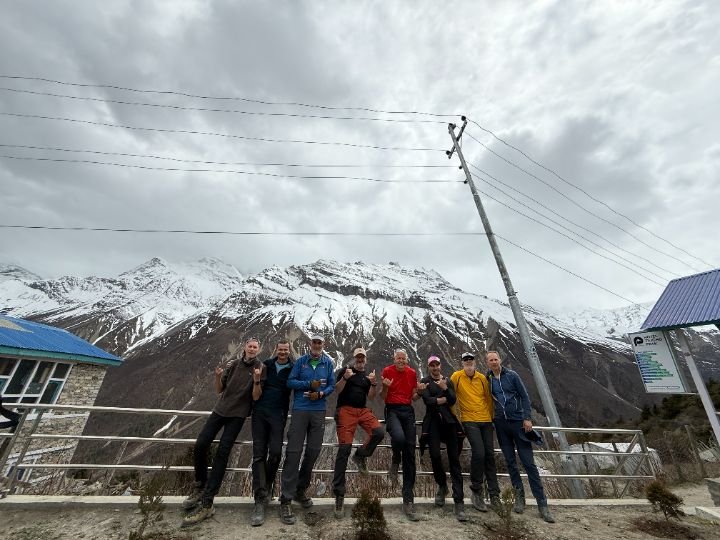
Essential Nepal travel information is the foundation for planning a safe, comfortable, and memorable journey through the Himalayas. Whether you are traveling for high-altitude mountain trekking, spiritual pilgrimages, or wildlife safaris, having accurate and up-to-date Nepal travel information helps you navigate local entry regulations, seasonal weather shifts, transport logistics, and cultural expectations seamlessly.
Nepal Travel Information: Before You Travel
For Nepal Travel requires thorough document preparation, as almost all international visitors must secure official entry permissions before or upon arrival. Your passport must have at least six months of remaining validity from your date of entry and contain at least one blank visa page. Most foreign nationals can obtain a tourist visa on arrival at Tribhuvan International Airport in Kathmandu, Pokhara International Airport, or major land border crossings, choosing between 15-day, 30-day, or 90-day multiple-entry permits payable in convertible foreign currency. To expedite airport processing, travelers can complete an online Electronic Travel Authorization through the official Department of Immigration portal prior to departure. Official tourist updates and regulatory notices can also be verified via the Nepal Tourism Board (NTB).
Indian citizens are exempt from visa requirements but must present a valid passport or voter identification card, while children under ten years old and SAARC country nationals qualify for gratis visas under specific conditions. Foreigners planning to trek in protected mountain regions must also comply with mandatory guide policies by hiring a government-licensed guide through an agency certified by the Trekking Agencies’ Association of Nepal (TAAN) and securing essential area permits, including the Trekkers’ Information Management System (TIMS) card and individual national park or conservation area permits. You can review our detailed Nepal Trekking Permits Guide for step-by-step application instructions.
Nepal Travel Information on Weather & Best Times to Visit
Nepal’s climate varies drastically by altitude and season, creating distinct travel windows depending on whether your primary focus is mountain trekking, cultural sightseeing, or jungle wildlife safaris. The post-monsoon autumn season from September through November stands out as the overall peak travel period, bringing clear blue skies, minimal precipitation, comfortable daytime temperatures, and extraordinary visibility across the Himalayan range alongside major national cultural festivals.
Spring from March through May represents the second peak season, characterized by warmer days, active wildlife, and lower elevation trails bursting with colorful blooming rhododendron forests. For more details on seasonal trip planning, see our guide on the best time to visit Nepal. Winter from December through February delivers dry, clear days ideal for low-altitude sightseeing and jungle exploration, though temperatures drop near or below freezing at night in mountain regions and urban valleys. The summer monsoon season from June through August introduces heavy rainfall, humidity, and frequent travel disruptions across most of the country, though rain-shadow regions behind the high Himalayas, such as Upper Mustang and Upper Dolpo, remain dry and offer optimal trekking conditions during these months.
Nepal Travel Information for Getting Around
Navigating Nepal involves a combination of domestic air travel and overland transport tailored to the country’s challenging mountainous geography. Domestic aviation oversight fall under the Ministry of Culture, Tourism and Civil Aviation (MoCTCA), connecting the capital city of Kathmandu with key tourist destinations including Pokhara, Bharatpur near Chitwan, and high-altitude mountain airstrips such as Lukla in the Everest region or Jomsom in Mustang. Flight operations at mountain airports depend heavily on visual weather conditions, making morning flights standard and weather delays relatively common.
On the ground, comfortable air-conditioned tourist buses run daily routes between major cities, providing a budget-friendly option for long-distance transit. Private four-wheel-drive jeeps and cars offer enhanced speed, comfort, and schedule flexibility, which is particularly beneficial when navigating rough mountain roads or traveling with a group. Within major urban areas like Kathmandu and Pokhara, local taxis run on meters or negotiated fares, while mobile ride-hailing applications provide convenient car and motorcycle transport. Because winding terrain, single-lane highways, and ongoing road upgrades make transit times significantly longer than geographic distances suggest, building schedule buffers into all overland journeys remains essential. Learn more in our comprehensive Nepal Ground Transportation Guide.
Accommodation Options in Nepal Travel
Accommodation options across Nepal cater to every budget and travel style, ranging from high-end urban luxury to rustic mountain lodging. Major cities like Kathmandu and Pokhara host world-class five-star luxury resorts, international hotel chains, and meticulously restored historic Newari boutique properties equipped with modern amenities, fine dining, spas, and swimming pools. Travelers seeking mid-range or budget options will find an abundance of clean, comfortable tourist-standard hotels and backpacker hostels offering private bathrooms, Wi-Fi, and hot showers.
In national park buffer zones like Chitwan and Bardiya, accommodation transitions into riverfront safari lodges, eco-resorts, and authentic indigenous homestays that combine nature access with local cultural immersion. Along established Himalayan trekking routes, accommodation consists of traditional family-run lodges known as teahouses. Teahouse rooms are simple, functional, and typically unheated, furnished with twin wooden beds, foam mattresses, and blankets, while bathrooms are frequently shared and hot showers or electronic device charging are available for a small additional charge. Read our guide on what to expect at Nepal teahouses for a full breakdown.
Money, Currency, and Financial Nepal Travel Information
Financial transactions during Nepal Travel rely heavily on physical currency, especially once travelers venture outside upscale establishments in major urban centers. The official currency is the Nepalese Rupee, and while credit and debit cards are widely accepted at major hotels, airlines, and tourist-oriented restaurants in Kathmandu and Pokhara, they typically incur an electronic processing surcharge. Automated Teller Machines are accessible throughout major cities and regional hubs, though foreign cards are subject to local transaction fees and single-withdrawal limits.
Cash is mandatory for settling payments at local markets, small neighborhood eateries, taxi rides, heritage site entry fees, and mountain teahouses along trekking routes. Foreign currency exchange counters operate at major international entry points and within tourist neighborhoods like Thamel and Lakeside, where travelers should keep their exchange receipts to convert unused rupees back upon departure. Tipping is customary across the hospitality industry, with a ten percent tip welcomed in tourist restaurants if a service charge is not included, alongside separate daily gratuities for trekking guides and porters at the conclusion of mountain expeditions. Plan your daily budget with our Nepal Currency and Daily Costs Guide.
Food and Drinking Water Safety
Nepalese cuisine reflects a rich fusion of Himalayan, Tibetan, Indian, and indigenous culinary traditions, providing nutritious options for meat-eaters and vegetarians alike. The defining national dish is Dal Bhat, a balanced meal consumed daily across the country consisting of steamed rice, spiced lentil soup, seasonal vegetable curry, leafy greens, pickles, and optional meat curries, typically served with unlimited refills at traditional eateries. Another widely popular staple is the Momo, a steamed or fried dumpling stuffed with spiced vegetables, chicken, or buffalo meat and served alongside a tangy tomato and sesame dipping sauce.
Tibetan influence is evident in hearty noodle soups like Thukpa, while the Kathmandu Valley offers rich Newari specialties such as savory lentil pancakes called Bara and sweet rice-flour dumplings called Yomari. Discover local flavors with our Nepalese Food & Street Dining Guide. Tap water across Nepal is non-potable and must not be consumed directly under any circumstances. Travelers should rely exclusively on purified, boiled, or chemically treated water, utilizing reusable water bottles paired with ultraviolet purifiers, micro-filtration systems, or chlorine dioxide tablets to maintain health while avoiding single-use plastic waste on fragile mountain trails.
Health, Safety, and Altitude Nepal Travel Information
Nepal is a safe and welcoming destination for international travelers, maintaining low rates of violent crime, though practical health precautions are necessary for a trouble-free trip. High-altitude trekking presents the primary health risk in the form of Acute Mountain Sickness (AMS) when ascending above 2,500 meters. Preventing altitude sickness requires a conservative ascent profile, limiting daily sleeping elevation increases to 300 to 500 meters above 3,000 meters, incorporating mandatory acclimatization rest days, and maintaining high daily fluid intake. Mountain safety standards and climbing guidelines are maintained in coordination with the Nepal Mountaineering Association (NMA).
Obtaining comprehensive travel insurance is mandatory before embarking on mountain treks, and the policy must explicitly cover emergency medical treatment and high-altitude helicopter evacuation up to your highest planned elevation. For detailed safety protocols, review our Altitude Sickness Prevention & Emergency Evacuation Guide. Essential travel preparations include packing a personal first-aid kit stocked with rehydration salts, altitude medication, blister pads, anti-diarrheal treatments, broad-spectrum antibiotics, and high-SPF sun protection. Urban areas can be dusty, making protective face masks or neck gaiters helpful during transit, while practicing regular hand hygiene before meals prevents common gastrointestinal illnesses.
Culture, Local Etiquette, and Respect
Nepal’s social fabric is deeply rooted in Hindu and Buddhist spiritual traditions, making cultural sensitivity an integral part of a rewarding journey. The standard greeting across the country is pressing your palms together at chest level, bowing slightly, and saying Namaste. Modesty in dress is valued throughout Nepalese society, so travelers should wear clothing that covers their shoulders and knees, particularly when visiting religious monuments, remote villages, or traditional homes.
Before entering Hindu temple sanctuaries, Buddhist monasteries, or private residences, always remove your shoes, hat, and leather accessories. When visiting Buddhist stupas, shrines, or prayer wheels, tradition dictates walking around them in a clockwise direction. Avoid pointing the soles of your feet toward people or sacred statues, and always use your right hand, or both hands together, when passing cash, food, or gifts to someone. Finally, always ask for explicit permission before taking photographs of local residents, holy men, monks, or private religious ceremonies. Check our complete Nepal Cultural Etiquette Tips for more insights.
Internet and Communication
Staying connected in Nepal Travel is simple and affordable for international visitors in major towns and along primary travel corridors. Upon arrival at Tribhuvan International Airport or at telecommunication shops in major cities, travelers can easily purchase a local physical SIM card or activate a compatible eSIM from primary network providers such as Ncell or Nepal Telecom by presenting a passport copy and photograph. These local SIM cards provide reliable high-speed data coverage across urban centers, major highway routes, and lower-elevation trekking regions.
Complimentary Wi-Fi is widely available in hotels, guest houses, cafes, and restaurants throughout Kathmandu, Pokhara, Chitwan, and Lumbini. Along popular trekking trails like the Everest Base Camp or Annapurna Circuit routes, teahouses offer Wi-Fi access either for a modest daily fee or through dedicated regional satellite card systems, though connection speeds can fluctuate based on local weather conditions and geographical isolation. Read our Nepal Mobile Data and SIM Card Guide to choose the best data package.
Outdoor Adventures and Nepal Travel Information
Nepal is world-renowned as an outdoor adventure capital, offering an extraordinary variety of activities beyond its famous multi-day Himalayan trekking routes. White-water rafting and kayaking expeditions operate on wild glacial rivers ranging from accessible family trips on the Trisuli River to intense, multi-day Grade IV and V rapids on the Bhote Koshi, Kali Gandaki, and Sun Koshi rivers.
Pokhara serves as the central hub for aerial sports, offering world-class tandem paragliding over Fewa Lake with panoramic views of the Annapurna range, alongside ultralight aircraft flights, hot-air balloon rides, and zip-lining. Thrill-seekers can experience extreme high-altitude bungee jumping and canyon swings at deep river gorges near the Tibetan border or in Pokhara, alongside technical canyoning down waterfall-carved mountain chutes. In the southern lowlands, jungle safaris in Chitwan and Bardia National Parks provide thrilling opportunities to track single-horned rhinoceroses, Bengal tigers, wild elephants, and gharial crocodiles on foot, by jeep, or via river canoe. Explore top activities in our Nepal Adventure Sports Overview.
Popular Places to Visit
Nepal features an array of historic, natural, and spiritual destinations spread across its diverse geographical zones. The historic Kathmandu Valley comprises three ancient royal cities—Kathmandu, Patan, and Bhaktapur—hosting seven UNESCO-designated monuments detailed on the official UNESCO Nepal World Heritage Sites registry, including medieval Durbar Squares, the sacred Hindu Pashupatinath Temple, and ancient Buddhist stupas at Boudhanath and Swayambhunath. Explore these historical hubs with our Kathmandu Valley Sightseeing Guide.
Pokhara offers a serene lakeside escape with dramatic Himalayan reflections, serving as the launch point for Annapurna region treks, sunrise views at Sarangkot, and visits to the World Peace Pagoda; see our Pokhara Travel Guide for itinerary ideas. Chitwan National Park in the southern Terai plains provides dense subtropical jungles, rich wildlife conservation habitats, and cultural interactions with the indigenous Tharu community, covered in our Chitwan Safari Guide.
In the southwest, Lumbini stands as a global pilgrimage destination recognized as the historic birthplace of Lord Buddha, featuring ancient archaeological ruins and international monastic compounds. Additional highlights include the hilltop town of Bandipur with its preserved 18th-century Newari architecture, Nagarkot for expansive mountain sunrise vistas, and famous mountain trekking corridors including the Everest, Annapurna, Langtang, and Manaslu regions.
Responsible Travel in Nepal
Practicing sustainable and ethical tourism helps protect Nepal’s fragile high-altitude environments and ensures that host communities benefit directly from visitor activity. Environmental stewardship requires following Leave No Trace principles, carrying all non-biodegradable waste out of national parks, and avoiding single-use plastic water bottles by relying on personal water purification systems.
Travelers can support the local economy directly by hiring licensed local guides and porters, choosing locally owned teahouses and family-run restaurants, and purchasing authentic handicrafts directly from local artisans rather than imported factory reproductions. Respect for local social structures includes paying fair wages to trekking staff, ensuring porters are properly equipped with warm gear and insurance, and avoiding unvetted animal tourism practices. Furthermore, travelers should refrain from distributing candy, money, or small gifts directly to children in rural villages, choosing instead to support established local schools, health posts, or community development funds. Read our full guide on Sustainable Tourism Practices in Nepal Travel.
Final Nepal Travel Information & Practical Tips
Maximizing your enjoyment in Nepal Travel requires a flexible travel mindset and thorough practical preparation for variable mountain conditions. Weather in the Himalayas can shift rapidly, often causing domestic flight delays or road transport slowdowns, so building several buffer days into your overall itinerary prior to your international flight home prevents unnecessary stress.
Electrical power runs on 220 volts at 50 Hertz using round two-prong or three-prong plug types, making a universal plug adapter and a high-capacity portable power bank indispensable for keeping electronic devices charged during rural transit or cold mountain nights. Carrying offline navigation maps and digital backups of your essential travel documents, visa receipts, insurance policies, and trekking permits ensures seamless verification at security checkpoints. Above all, approaching your journey with patience, open-minded adaptability, and respect allows you to fully connect with the remarkable natural beauty, rich cultural heritage, and legendary hospitality of the Nepalese people. Download our complete Nepal Travel Checklist to start your preparation


