Upper Dolpo Trek
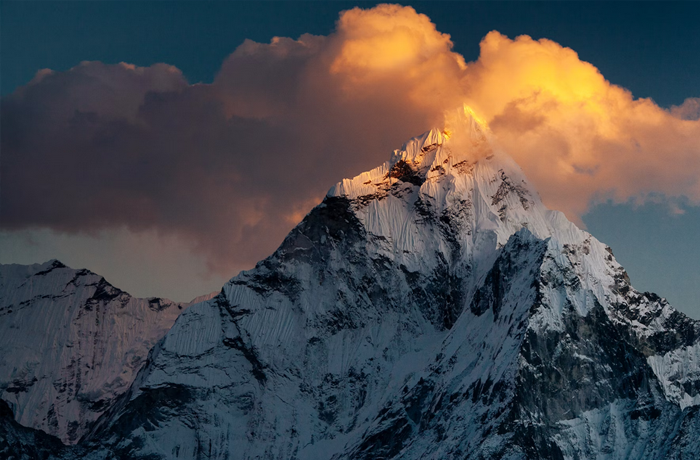
Explore the remote Upper Dolpo Trek through ancient Tibetan villages, high mountain passes, Shey Gompa and the breathtaking turquoise waters of Phoksundo Lake.

Trip Duration
25 Days

Country
Nepal

Region
Dolpo

Activities
Trekking

Grade
Challenging

Max Altitude
Kang La pass (5,151 m)

Best Season
March-May / September - November

Accomodation
Hotels/Camps

Meals
Breakfast, Lunch and Dinner

Start-End Point
Juphal-Juphal

Group Size
2-2+

Transportation
Tourist bus , 4wd jeep , flight
Upper Dolpo Trek Overview
Untamed Himalayan Adventure
The Upper Dolpo Trek takes you into one of the most remote and culturally fascinating regions of Nepal. Located in the northwestern Himalayas, Upper Dolpo lies close to the Tibetan Plateau and remains far less developed and less visited than Nepal’s popular trekking destinations. Its remote location, rugged landscapes and traditional Tibetan Buddhist culture make it an exceptional destination for trekkers seeking solitude and an authentic Himalayan experience. The Nepal Tourism Board describes Upper Dolpo as one of the offbeat trekking destinations of Karnali Province, known for its remote Himalayan landscapes and adventure opportunities.
For travelers who prefer peaceful trails over crowded trekking routes, the Upper Dolpo Trek offers an opportunity to explore a landscape that has preserved much of its traditional character. The journey passes through remote mountain settlements, ancient monasteries, high Himalayan passes, barren valleys and dramatic landscapes that feel remarkably untouched. If you are interested in exploring other remote trekking destinations in Nepal, you can also discover our Lower Dolpo Trek and Upper Mustang Trek for different Himalayan experiences.
Remote Himalayan Wilderness
One of the defining characteristics of the Upper Dolpo Trek is its remoteness. The region is separated from much of Nepal by high mountain ranges and difficult terrain, making access considerably more challenging than to destinations such as Everest or Annapurna. As you travel deeper into Upper Dolpo, the landscape changes from green valleys and forests to rugged cliffs, high-altitude deserts and wide Himalayan valleys. Nepal Tourism Board describes the inner Himalayan valleys of Dolpo and Mustang as cold-desert environments with topographical characteristics similar to the Tibetan Plateau.
The limited infrastructure and small settlements add to the feeling of traveling through a genuinely remote corner of Nepal. For trekkers looking for an alternative to the more established routes, the Upper Dolpo Trek provides a completely different Himalayan experience. You can also explore our Nepal Trekking Packages to compare Upper Dolpo with other trekking adventures across Nepal.
Shey Gompa and Tibetan Buddhist Culture
The ancient Shey Gompa is one of the cultural highlights of the Upper Dolpo Trek. Located in the remote inner Dolpo region, the monastery reflects the strong influence of Tibetan Buddhism that has shaped the area’s culture, traditions and spiritual life for centuries. According to Nepal’s Department of National Parks and Wildlife Conservation, Shey Gompa dates back to the 11th century and Tibetan Buddhist teachings are practiced there. The Nepal Tourism Board also identifies the monasteries of the Dolpo region, including Shey Gompa, as important attractions for visitors exploring this remote part of Nepal.
The surrounding landscape adds to the spiritual atmosphere of Shey Gompa. High mountains, barren valleys and ancient trails create a remarkable setting for this important religious site. Visiting the monastery allows trekkers to learn more about the traditional Buddhist practices and cultural heritage of the people of Dolpo.
Shey Phoksundo Lake
Shey Phoksundo Lake is another spectacular highlight associated with the Upper Dolpo Trek. Famous for its striking blue and turquoise waters, the lake is surrounded by dramatic cliffs, forests and rugged Himalayan mountains. The lake lies within Shey Phoksundo National Park, Nepal’s largest national park, which covers parts of Dolpa and Mugu districts. The park is known for its trans-Himalayan landscapes, diverse wildlife and spectacular mountain scenery.
The journey toward Phoksundo provides a remarkable variety of scenery, from lower mountain forests to the stark landscapes of the high Himalayas. The lake is also internationally recognized as a Ramsar wetland, adding environmental significance to its natural beauty.
Ancient Salt Trade Routes and High Mountain Passes
The Upper Dolpo Trek follows sections of historic Himalayan trade routes that once connected communities across the mountains with the Tibetan Plateau. These ancient trails were used for the movement of salt and other goods between remote settlements and neighboring regions. Along the journey, trekkers cross several high mountain passes and traverse rugged valleys surrounded by spectacular Himalayan peaks. The combination of ancient trails, remote villages and challenging mountain terrain gives the Upper Dolpo Trek a strong sense of exploration and adventure.
If you are interested in another Himalayan journey following historic trading landscapes, our Upper Mustang Trek offers another opportunity to explore Nepal’s Trans-Himalayan region and traditional Tibetan-influenced culture.
Yarsagumba and Traditional Mountain Life
Upper Dolpo is also known for Yarsagumba, a highly valued caterpillar fungus collected in high-altitude areas during the short harvesting season. The seasonal collection of Yarsagumba has traditionally been an important part of the livelihoods of communities in the region.
The official management information for Shey Phoksundo National Park recognizes Yarsagumba as one of the important non-timber forest products found in the park and notes its connection with local community livelihoods. Depending on the timing of your Upper Dolpo Trek, you may encounter evidence of this seasonal activity and gain insight into the traditional livelihoods of people living in these remote Himalayan valleys.
A Rain-Shadow Trek in Summer
One of the unusual advantages of the Upper Dolpo Trek is that parts of the region can be suitable for trekking during Nepal’s summer monsoon months. The Dhaulagiri and surrounding Himalayan ranges create a rain-shadow environment, reducing the amount of monsoon rainfall reaching much of the Dolpo region.
The Nepal Tourism Board specifically identifies Dolpo, north of Dhaulagiri, as a rain-shadow region where trekking can be considered during the monsoon because of its relatively dry Trans-Himalayan environment. However, weather can still be unpredictable and conditions vary from year to year, so the final trekking schedule should always consider current trail, weather and flight conditions.
Trekking Permits and Access
The Upper Dolpo Trek is a restricted-area trekking experience and requires specific permits. Nepal Tourism Board’s current trekking-permit information lists Upper Dolpa as a restricted trekking area, with designated municipalities within the Upper Dolpo region. Because of the remote nature of the Upper Dolpo Trek, arranging the required permits, domestic flights, camping logistics, guides and other essential services through a registered trekking agency is strongly recommended. Nepal Tourism Board also advises trekkers to check whether their chosen route requires a guide and TIMS card and to work with a government-registered trekking agency where applicable.
An Adventure Beyond the Crowded Trails
The Upper Dolpo Trek is ideal for experienced trekkers who want to venture far beyond Nepal’s most established trekking routes. It combines remote Himalayan wilderness, ancient Tibetan Buddhist culture, high mountain passes, historic trade routes and spectacular natural attractions such as Phoksundo Lake.
The journey requires preparation, patience and a willingness to travel through remote areas with limited infrastructure. In return, the Upper Dolpo Trek offers a rare opportunity to experience one of Nepal’s most isolated and culturally distinctive Himalayan regions. For travelers planning a demanding Himalayan adventure, you can also explore our Nepal Trekking Guide for information about trekking preparation, permits, guides, equipment and general planning before starting your journey.
- Beautiful view of Himalayans
- Shey Phoksundo National Park
- Musk Deer, Snow Leopard, Blue Sheep
- Annapurna and Dhaulagiri mountain range
- Mt. Saipal – Mt. Api
- 800 years old Shey Gompa
- Shey Phoksundo Lake
- Indigenous culture of the Mountain people
- Ringmo Village
- Cross through Mara La pass (5115 m), and Nagdala La (5353 m) close enough with pristine mountains, flora, and fauna.
Brief Itinerary
Day 01: Arrival in Kathmandu – 1,350 m / 4,429 ft
Day 02: Kathmandu Sightseeing – 1,350 m / 4,429 ft
Day 03: Fly from Kathmandu to Nepalgunj – 150 m / 492 ft
Day 04: Fly to Juphal and Trek to Dunai – 2,400 m / 7,874 ft
Day 05: Trek from Dunai to Ankhe – 2,660 m / 8,727 ft
Day 06: Trek from Ankhe to Renje – 3,104 m / 10,184 ft
Day 07: Trek from Renje to Phoksundo Lake – 3,600 m / 11,811 ft
Day 08: Trek from Phoksundo Lake to Phoksundo Khola – 3,507 m / 11,506 ft
Day 09: Trek to Phoksundo Bhanjyang – 4,402 m / 14,442 ft
Day 10: Cross Kang La Pass and Trek to Shey Gompa – 5,151 m / 16,900 ft
Day 11: Rest and Exploration at Shey Gompa – 4,126 m / 13,537 ft
Day 12: Cross Saldang La Pass and Trek to Namduna Gaon – 4,785 m / 15,699 ft
Day 13: Trek from Namduna Gaon to Saldang – 3,903 m / 12,805 ft
Day 14: Trek from Saldang to Sibu – 3,942 m / 12,933 ft
Day 15: Trek to the Foot of Jeng La – 4,369 m / 14,334 ft
Day 16: Cross Jeng La Pass and Trek to Tokyu Gaon – 4,845 m / 15,896 ft
Day 17: Trek from Tokyu Gaon to Dho Tarap – 4,090 m / 13,419 ft
Day 18: Trek from Dho Tarap to Serkam – 3,630 m / 11,909 ft
Day 19: Trek from Serkam to Khani Gaon – 2,550 m / 8,366 ft
Day 20: Trek from Khani Gaon to Tarakot – 2,281 m / 7,484 ft
Day 21: Trek from Tarakot to Dunai – 2,052 m / 6,732 ft
Day 22: Trek from Dunai to Juphal – 2,404 m / 7,887 ft
Day 23: Fly from Juphal to Kathmandu via Nepalgunj – 1,350 m / 4,429 ft
Day 24: Leisure Day and Farewell Dinner in Kathmandu – 1,350 m / 4,429 ft
Day 25: Final Departure from Kathmandu – 1,350 m / 4,429 ft
Upper Dolpo Trek Detailed Itinerary
Expand AllFollowing a kind welcome at the airport, you will be escorted to the hotel. The capital city of Nepal, Kathmandu, awaits you with hills and mountains if the weather is nice. Your hotel is ideally situated in the bustling and lively Thamel district of the city’s core.
You can unwind in your comfortable lodging or take a relaxing walk through Thamel Bazaar. This is also a great time to get any missing clothing or gear. Along with exchanging money, you can interact with other trekkers.
Positioned at the crossroads of multiple ancient Asian civilizations, the Kathmandu Valley is home to no fewer than seven UNESCO World Heritage Sites. As a result, the valley became the setting for the construction of numerous monuments, temples, and pilgrimage sites that are significant to both the Hindu and Buddhist faiths.
Exploring around the city has become much more easier and convenient as compared to the past. You can easily book a ride using travel apps like Pathao, and Tootle to travel across the city. The sightseeing can be carried out in the following order:
Swayambhunath Temple
One of the greatest tourist destinations in Kathmandu is this historic architectural wonder, which is situated on a hill in the Kathmandu Valley. The major stupa, numerous temples, a monastery, a museum, and a well-stocked library are all part of it.
It is a sight to behold in and of itself to see the eyes and eyebrows of the Buddha painted on the temples, with the number 1 painted as the lord’s nose in the native alphabet.
Patan Durbar Square
After the peaceful visit to Swayambhunath temple also known as the monkey temple, up next we have Patan Durbar Square, enriched with its architectural beauty. This location is a historical gem of Newar. Snippets of the same can be seen from the red brick and tiled square floor.
Many temples in the region help their followers establish a divine connection. The old royal palace where the Malla Kings formerly lived is one of the most popular sights in this area.
Pashupatinath
In Nepal, Hinduism is the religion most people practice. With several renowned locations, such as Pashupatinath Temple, the nation has accepted and respected this religion.
The sacred site is regarded as one of the most significant temples in the entire globe and is among the most popular tourist destinations in Kathmandu. There are 12 Jyotirlinga in India and the one in Nepal is the head over this body. The temple has 275 holy abodes of Shiva as well.
A visit to this temple will help you cleanse all the negative energy away from you. This holy temple feels like a walk through heaven due to its radiating energy.
Boudhanath
As the Stupa is believed to be the tomb of Kassapa Buddha’s relics, the location has witnessed numerous traders and travelers giving prayers to their lord. It is undoubtedly one of the greatest locations to visit in Nepal and is richly associated with tales.
One of the most important locations in Buddhism and architecture is the Boudhanath Stupa in Kathmandu. The smell of incense surrounds the stupa which radiates a form of positive energy in the believers.
After completing a brief sightseeing around the preserved areas of Kathmandu, you will be boarding a flight to Nepalganj on the third day. The flight will be of approximately 60 minutes.
If the weather is pleasant, you mayn’t encounter much of a delay in the flight schedule. It traverses the entirety of the western Himalayan regions, including Dhaulagiri, Langtang, Manaslu, and Annapurna. In contrast to Kathmandu, it is warmer. The Indian border is not far from Nepalgunj.
You will travel to the Nepalgunj airport for the Nepalgunj-Juphal flight after breakfast. The flight to Juphal will take about thirty-five minutes. Excellent vision of the Himalayan foothills is possible from the air, including views of Dhaulagiri Masiff and Annapurna.
Once you get to Juphal, you shall begin your adventure. Since this is where the journey begins, the trail is easy. It will take 45 minutes of easy walking downhill to get to Kalagauda. Following it, you’ll trek for an additional two hours along the Thuli Bheri River to Dunai.
Rooms will be assigned based on the reservation after you get to Dunai. The Dolpa district’s headquarters are at Dunai. You will officially end your first day of trek at Dunai where you’ll enjoy your dinner and rest.
Max Altitude:
2,150 m
Duration:
4 hrs
The next morning, you’ll be heading west from Dunai after crossing the suspension bridge. You shall follow the Suli Gad River and head north at its intersection with the Thuri Bheri alongside it. With the sound of the river thriving in the background, you shall trek up gradually.
You’ll stroll through fields of potatoes, pumpkins, millet, and marijuana. You’re going to trek along the river till you get to Hanke, a little village. It is the entrance to the national park of Shey Phoksundo.
To reach Ankhe, you’ll have to walk through Rahagaon and Parela. You will complete the trek in six hours and will be spending the night in tented camps.
Max Altitude:
2,660 m
Duration:
6 hrs
From here on the trek starts to get challenging. You will have to ascend and descend multiple times along the grassy hills of the trial. Following a solid bridge crossing of a diminishing river, you will ascend steep terrain along a narrow path.
You trek down a trail through luscious woodlands until you reach a precipice and a vertiginous descent down a shaky stone ladder to the riverbank. Following a seven-hour trek, you will set up a tent alongside the Suligad River.
Max Altitude:
3,104 m
Duration:
7 hrs
Today, you will begin early in the morning. For the first few hours of the trek, it will be fairly easy. You’ll take a sharp decline from Sumdo. You will descend through lovely birch trees to arrive at Phoksundo Khola and the lovely village of Ringmo, which is adorned with Mani walls and Chortens made of mud plaster.
You’ll trek a short distance from here to the Phoksundo Lake shoreline, where you’ll pitch up your camp. The journey will take about seven hours on this day.
Max Altitude:
3,600 m
Duration:
6-7 hrs
The trek on this day will lead you to a daring trail that will take you along a wooden walkway held up by pegs hammered into crevices in the rock face. The westernmost tip of the lake leads into the Upper Dolpo Trekking Trail, which takes you across a lush meadow to the plain of Phoksundo Khola.
Subsequently, you will stroll down the valley, traversing the river while dodging the occasional swamps beneath your feet, and eventually arriving at the overnight camp situated on the riverbank.
Max Altitude:
3,507m
Duration:
4-5 hrs
The Upper Dolpo Trek Route, which leads you through a glacier valley on the north side, meets the Phoksundo Khola and another mountain stream at this location. From a sheep grazing area, you will reach a still valley through a long and exhausting ascent.
You can admire the daring Kang La Pass from another valley after completing another arduous and lengthy trek to the summit. After trekking for about 7 hours, you will have finally reached your destination where you’ll be camping for the night.
Max Altitude:
4,402 m
Duration:
7 hrs
You’ll climb a steep track early in the morning that leads to a pass. Despite being a challenging climb, the peak will offer a breathtaking perspective of the surrounding area. Approximately three hours will pass before you get to the 5,151-meter summit of Kang La Pass.
The reward for all your hard effort is the breathtaking views from the top. You need to use extreme caution as you descend the steep valley bottom. It won’t take more than 45 minutes or so. When you arrive in Shey Gompa, you will be greeted with a lovely red Chorten.
Finally, after crossing a log bridge, you will arrive at your destination for the day, the Shey Gompa compound where you’ll set up your camp.
Max Altitude:
5,151 m
Duration:
7 hrs
This is specially set aside for acclimatization. You can spend the exploring the surroundings of Shey Gompa. In Tibetan, shey means “crystal.” Another name for this monastery is Crystal Mountain. You can go to the Shey Gompa and receive the Lama’s blessings.
The lama Ten-szin-Ra-Pa founded the first Kagyupa monastery. The 11th century witnessed the creation of the monastery. She is well-known for her antiquated Buddhist traditions. The ancient Tibetan style of life in Dolpo blends Buddhism and animism.
Above the meeting of Kwangju Nala and Yeju Nala is Shey Gompa. There is a collection of water-wheel-driven prayer mills close to the confluence.
You start the day by going down a pleasant juniper-lined track that leads into a stony, grey canyon. After there, the trail starts to zigzag across rough, eroded soil and exposed boulders until it finally reaches the summit of Saldang-la Pass
Ascending from the summit, you take in the views of the surrounding countryside, grazing livestock, and a few wandering tents. The sight of yaks grazing and the nomadic tents made of yak hair will be pleasing. This indicates that you are now in the Namduna Gaon.
You will spend the rest of the day exploring the area after visiting Namgung Monastery, a red-stone monastery in Namduna Gaon, and will be spending the night there.
Max Altitude:
4,785 m
Duration:
7 hrs
You are going to walk uphill after you leave the Namjung Valley. The journey starts with a prolonged and thrilling ride across the steep highlands. Then you stroll around Saldang, a charming town. Due to its strategic location on the trade route to Tibet, it is one of the major villages in the area.
It is located on a plateau high above the Nam Khong Nala River. This day roughly consists of 4 hours of trekking.
Max Altitude:
3,903 m
Duration:
4 hrs
Early in the morning, you will depart from Saldang and travel along the riverbank, passing by terraced fields, stunning stupas, and Chortens. While traveling, you can stop at the Chaiba Monastery and see a lot of Mani stones.
You stroll along the gorge, where green fields of native barley cover the bottom. Thorny juniper shrubs are the only vegetation in this lovely open space. On your way to the campsite, you have to cross a twice-deep river.
Max Altitude:
3,942m
Duration:
6 hrs
On the first day, you trek along the Nam Khong Khola, passing yak caravans that are heading for the Tibetan border. After two hours, you will cross another stream and then turn to a side valley. A grazing region beneath the Jeng La pass is reached by the steep trail.
After that, you will reach a lovely meadow that is mostly covered in rocks. You’ll set up camp here in this lovely meadow.
Max Altitude:
4,369 m
Duration:
5 hrs
You rise early and begin your journey for the day. The ascent of Jeng La will just take two hours to complete. This location offers an exceptionally captivating view of the Dhaulagiri Mastiff.
From here, you follow a rocky trail down to the Tarap region, which is a wonderful region that stretches twenty kilometers along the Tarap Chu River and features large grasslands surrounded by steep mountains.
You can visit Gompas and Chortens when you arrive in Tokyu Gaon. The grounds of Tokyu Monastery allow you to stay the night. The Chaiba sect owns the monastery.
Max Altitude:
4,845 m
Duration:
7 hrs
Today’s trail is wide and reasonably challenging. Unlike any other area of inner Dolpo, you will go downhill through a plain valley with patches of abundant grass on both sides of the river.
Additionally visible are the Mani Walls and Chortens, many of which currently require renovation. There are not many Tibetans living in Tarap; most of the residents are Magars. The locals are Buddhists or Bon Po devotees.
After traveling a short distance, you go to Dho Tarap, where you’ll be camping for the night.
Max Altitude:
4,090 m
Duration:
4-5 hrs
Along the Tarap River, the trail descends steeply through a winding valley. As you head away from the river, the path will get more narrow. Yak, horses, and mules in large numbers will be encountered on the route to deliver the loads.
After trekking for about 6-7 hours, you’ll finally reach your destination for the night where you’ll be camping.
Max Altitude:
3,630 m
Duration:
6-7 hrs
The trip today is going to be an exhilarating experience since the valley gets so small that you will have to jump from one side to the other. Occasionally, there would be no sign of a trail, forcing us to cross the gaps between the walls using stone slabs fixed above logs as a bridge.
In many locations, the bridges are either destroyed or washed out, forcing individuals to cross the ice stream on foot. Eventually, you arrive in Khanigaon and set your camp next to the Tarap Khola, where you’ll spend the night.
Max Altitude:
2,550 m
Duration:
7 hrs
The next morning, through a recently constructed suspension bridge, you will leave Khani Gaon and the mountains in the background and trek beside the river. The trail can get challenging at times, and you’ll have to cross one of the rivers on wet stepping stones.
The challenging trek for about 4 hours will eventually lead you to your final destination for the day, Tarakot where you’ll be camping for the night.
Max Altitude:
2,281 m
Duration:
4 hrs
Following a trail behind the Bheri River, you will cross a bridge close to the settlement of Lawan to start your trek. Your route will continue to climb alongside the large Bheri River to the Byas Gadi.
From here, the trail follows a fairly simple path westward. You will recross the river close to Lochakhola Gaon and head up to Dunai where you’ll be spending the night. Most of the walk today will take place on a gorgeous ravine lined with pine trees.
Max Altitude:
2,052 m
Duration:
5 hrs
For your last day of trekking, you’ll trek beside the Bheri River from Dunai, taking in the breathtaking scenery. Along the route, you pass a temple and the villages of Dhupichaur and Rupgad.
You carry on your trek past the villages of Motipur and Kalagaonda, until you reach your final destination of the day, Juphal where you’ll be spending your night in a tea house.
Max Altitude:
2,404 m
Duration:
3 hrs
On this particular day, you’ll board two flights. One will fly you to Nepalgunj (35 minutes) and the other from Nepalgunj to Kathmandu (60 minutes).
After reaching your hotel, you can rest for the day or stroll around the streets of Thamel and enjoy the nightlife.
After enjoying your breakfast, you can book a Pathao or Indrive to explore the places around Kathmandu Valley. You can stroll along the alleys of Patan, Bhaktapur, Ason, and Thamel and collect souvenirs to take back home as a memory from your trip.
You can try the local cuisine of various ethnic groups and indulge yourself in activities such as pottery classes. You can take back some local snacks such as “titaura”, organic tea leaves from Illam from shops in Kathmandu, churpi which is a kind of hard cheese.
Later at night, you must try authentic Nepali cuisine for dinner such as thakali khana set which comes with rice, a special kind of lentil soup called dhal made up of lentils imported from Mustang tempered with homemade butter called ghee, seasonal vegetables, and optional meat of choices along with homemade pickles.
During the final day of your departure, the hotel staff will traditionally bid you goodbye presenting you with a “khadha” and a bouquet. The staff for the hotel will escort you to the airport and bid you a farewell wishing for your safe travel.
Upper Dolpo Trek Includes/Exclude
- Airport pickup and drop-off in Kathmandu by private vehicle
- Kathmandu hotel accommodation with breakfast
- Domestic flights between Kathmandu and Nepalgunj
- Domestic flights between Nepalgunj and Juphal, and return
- Experienced, English-speaking trekking guide
- Required number of porters based on group size
- Guide and porter salaries, meals, accommodation and insurance
- Teahouse/lodge and camping accommodation during the trek, depending on the route
- Full-board meals during the trek (breakfast, lunch and dinner)
- Upper Dolpo Restricted Area Permit
- Shey Phoksundo National Park Entry Permit
- TIMS card, where applicable
- Necessary local permits and documentation
- Camping equipment, including tents and kitchen equipment, where required
- Trekking crew and support staff
- Trekking map
- Basic first-aid medical kit
- Government taxes and service charges
- International airfare to and from Nepal
- Nepal tourist visa fee
- Travel and trekking insurance
- Emergency helicopter evacuation and rescue costs
- Personal trekking equipment and clothing
- Personal expenses such as laundry, snacks and alcoholic or bottled beverages
- Hot showers, Wi-Fi and charging fees where available
- Extra baggage and excess luggage charges
- Meals and accommodation in Kathmandu or Nepalgunj beyond those mentioned in the itinerary
- Tips for guides, porters and other trekking staff
- Costs arising from flight cancellations, delays or additional accommodation caused by weather or unforeseen circumstances
- Any additional permits or fees required due to route changes
- Any expenses not specifically mentioned under What’s Included
Upper Dolpo Trek Altitude Chart
Upper Dolpo Trek Gallery/Video


Best Time for the Upper Dolpo Trek
Choosing the right season is particularly important for the Upper Dolpo Trek because the route crosses several high mountain passes and reaches elevations above 5,000 meters. Weather conditions can directly affect trail accessibility, mountain visibility and domestic flights to and from Juphal.
The main trekking seasons for the Upper Dolpo Trek are spring (March to May) and autumn (September to November). Unlike many trekking destinations in Nepal, Upper Dolpo lies in the rain-shadow of the Dhaulagiri and surrounding Himalayan ranges, meaning parts of the region receive considerably less monsoon rainfall. This makes the Upper Dolpo Trek possible during summer as well, although access flights through Nepalgunj and Juphal can still be affected by cloudy or rainy weather.
Winter is generally not recommended because heavy snowfall and freezing temperatures can make the high passes and remote trails difficult or inaccessible.
Spring Season – March to May
Spring is one of the best seasons for the Upper Dolpo Trek, particularly from late March through May. Temperatures gradually become more comfortable, skies are often clearer and the mountain landscape becomes easier to explore.The lower sections of the journey around Juphal and Dunai generally become more accessible as winter conditions begin to disappear. Clearer weather can also improve the reliability of flights to Juphal, although domestic flights in Nepal remain dependent on actual weather conditions.
Early spring can still bring snow to the higher sections of Upper Dolpo. Some of the major passes may remain challenging because of snow and icy conditions, so trekkers planning an early-season Upper Dolpo Trek should be prepared for changing trail conditions. Late March, April and May are generally more favorable for crossing the high passes and enjoying the dramatic landscapes of the region.
Summer Season – June to August
Summer is an unusual but interesting trekking period for the Upper Dolpo Trek because the region lies within Nepal’s Trans-Himalayan rain-shadow. While much of Nepal experiences the monsoon during June, July and August, Upper Dolpo receives comparatively less rainfall. This makes summer a possible season for trekking through the region, particularly for experienced trekkers seeking quieter trails. The surrounding mountains and valleys can also appear fresh and dramatic during periods of clear weather.
The biggest challenge is often access rather than rainfall within Upper Dolpo itself. Flights between Nepalgunj and Juphal can be delayed or cancelled because of cloud cover and poor weather in the lower regions. Trekkers should therefore allow some flexibility in their itinerary when planning a summer Upper Dolpo Trek. For current trekking information, weather considerations and travel planning, check the Nepal Tourism Board before your journey.
Autumn Season – September to November
Autumn is widely regarded as one of the best seasons for trekking in Nepal, and it is an excellent period for the Upper Dolpo Trek. After the summer monsoon, the skies often become clearer, visibility improves and the Himalayan landscape can be spectacular. September and October are particularly attractive for trekkers who want to enjoy panoramic views of the mountains and comfortable conditions on the trail. The stable weather also makes crossing the high passes more favorable.
Temperatures begin dropping significantly as November progresses, especially during the night and at higher elevations. Snow can begin affecting some high passes toward the later part of the season, so trekkers planning a late-November Upper Dolpo Trek should be properly equipped and prepared for winter-like conditions.
Winter Season – December to February
Winter is generally the least suitable season for the Upper Dolpo Trek. Temperatures can become extremely cold, particularly at night and at higher elevations, while heavy snowfall can cover trails and make high mountain passes difficult or impossible to cross. Remote villages may also have limited services during the winter months. For these reasons, a winter Upper Dolpo Trek requires specialist preparation and should only be considered after confirming current trail and weather conditions with experienced local trekking professionals.
Upper Dolpo Trek Difficulty
The Upper Dolpo Trek is considered a challenging and demanding Himalayan trek. Its difficulty comes not from technical climbing but from the combination of a long itinerary, remote terrain, high-altitude passes, significant elevation changes and limited infrastructure. The route crosses several major passes, including Kang La at approximately 5,151 meters (16,900 feet), Saldang La at approximately 4,785 meters (15,699 feet) and Jeng La at approximately 4,845 meters (15,896 feet). These high passes require good physical preparation and careful acclimatization.
Because much of the Upper Dolpo Trek takes place in remote mountain terrain, trekkers should be prepared for long walking days, steep ascents and descents, rocky trails and changing weather. Some sections can feel particularly demanding because of the altitude and the lack of modern facilities.
Altitude and Acclimatization
Altitude is one of the most important considerations during the Upper Dolpo Trek. The itinerary reaches more than 5,000 meters at Kang La, and several other sections remain above 4,000 meters for extended periods. Altitude-related illness can affect anyone, regardless of age or previous trekking experience. Common symptoms can include headache, nausea, dizziness, unusual tiredness, loss of appetite and difficulty sleeping. More serious symptoms require immediate attention and descent.
A gradual pace, adequate hydration, sufficient rest and following your guide’s recommendations are important throughout the Upper Dolpo Trek. If you develop symptoms that may indicate serious altitude illness, inform your guide immediately rather than attempting to continue. For additional information about altitude illness and high-altitude travel, the CDC Yellow Book – High-Altitude Travel and Altitude Illness provides useful medical guidance.
Remote and Challenging Terrain
Another factor that makes the Upper Dolpo Trek challenging is its remoteness. Unlike popular trekking routes such as Everest and Annapurna, facilities are limited across much of Upper Dolpo.
Accommodation, food, communication and transportation options can be basic, particularly in the more isolated sections. Weather or trail conditions can also cause unexpected delays. Trekkers should therefore approach the Upper Dolpo Trek as a genuine wilderness adventure rather than a conventional lodge-based holiday. Good physical fitness, appropriate trekking equipment, flexibility and a positive attitude are essential for completing this demanding Himalayan journey comfortably.
Upper Dolpo Trek Permits Requirement
The Upper Dolpo Trek is a restricted-area trekking route in Nepal, so trekkers need special permits in addition to the applicable national park entry requirements. Because permit regulations and fees can change, it is important to confirm the latest requirements before starting your journey. The Nepal Tourism Board provides official information about restricted-area trekking permits, including Upper Dolpa.
The Upper Dolpo Trek also passes through Shey Phoksundo National Park, one of Nepal’s protected areas and home to the spectacular Phoksundo Lake. Trekkers must obtain the required national park entry permit before entering the protected area. The park is managed by Nepal’s Department of National Parks and Wildlife Conservation.
Permits Commonly Required for Upper Dolpo Trek
- Upper Dolpo Restricted Area Permit: Required for trekking through the designated restricted areas of Upper Dolpo.
- Shey Phoksundo National Park Entry Permit: Required for entering Shey Phoksundo National Park.
- TIMS / Trekking Registration: Required where applicable under current trekking regulations. Your trekking
TIMS and Trekking Registration
In addition to the Upper Dolpo Restricted Area Permit and Shey Phoksundo National Park Entry Permit, trekkers may need TIMS (Trekkers’ Information Management System) registration or other applicable trekking documentation, depending on the current regulations. Requirements can change, so your trekking agency will confirm the necessary registrations before your Upper Dolpo Trek begins.
Since Upper Dolpo is a restricted trekking region, independent trekking is not permitted under the applicable regulations, and travelers must arrange the trek through an authorized trekking agency with the required licensed guide and permits. The current requirements should always be checked with the Nepal Tourism Board’s trekking permit information before travel.
Why You Need a Licensed Guide
Because the Upper Dolpo Trek passes through a restricted and remote area, trekkers should arrange the journey through a properly registered trekking agency and travel with an authorized guide. A guide is particularly valuable in Upper Dolpo because of the remote trails, high passes, limited communication and changing mountain conditions.
Your trekking agency can handle the required permits and help coordinate domestic flights, accommodation, camping or lodge arrangements, porters, guides and other logistics before you begin the Upper Dolpo Trek. For a related remote Himalayan experience, you can also explore our Lower Dolpo Trek or Upper Mustang Trek.
Upper Dolpo Trek FAQS
Expand AllThe Upper Dolpo Trek generally takes around 18–27 days, depending on the route, acclimatization days, transportation schedule, and trekking itinerary. Longer itineraries allow more time to explore villages, monasteries and Phoksundo Lake.
During the Upper Dolpo Trek, lodging is usually provided in tented camps or simple teahouses. The shared dorms and modest restrooms are the only amenities, yet they are enough for trekkers’ requirements. Some trekkers decide to camp, but this means packing your own food and camping supplies.
The Upper Dolpo Trek reaches approximately 5,350 m (17,552 ft) at the highest passes, depending on the selected route. The trek involves several high mountain passes, so proper acclimatization is important.
Yes. The Upper Dolpo Trek is considered a challenging trek because of its high altitude, remote terrain, long walking days and limited infrastructure. Previous high-altitude trekking experience is recommended.
Yes. The Upper Dolpo Trek requires a Restricted Area Permit because Upper Dolpo is a restricted trekking region. Trekkers also need the Shey Phoksundo National Park Entry Permit and other applicable permits.
No. The Upper Dolpo Trek is a restricted-area trek and requires trekkers to follow the applicable government regulations, including trekking with a licensed guide and the required arrangements through a registered trekking agency.
The best seasons for the Upper Dolpo Trek are generally spring (April–May) and autumn (September–October). These months usually provide better visibility and more suitable trekking conditions.
The Upper Dolpo Trek is famous for its remote Himalayan landscapes, ancient Buddhist monasteries, traditional villages, dramatic mountain valleys and the spectacular Phoksundo Lake. The region also offers a unique opportunity to experience the traditional culture of Dolpo.
The main permits commonly required for the Upper Dolpo Trek include the Upper Dolpo Restricted Area Permit and Shey Phoksundo National Park Entry Permit. Additional documentation or permits may apply depending on the route and current regulations.
The Upper Dolpo Trek is generally not recommended for complete beginners. Its remote location, high passes, long trekking days and limited facilities make it more suitable for trekkers with previous Himalayan or high-altitude trekking experience.
Accommodation on the Upper Dolpo Trek varies according to the route. Some areas have basic teahouses or homestays, while remote sections may require camping. Camping arrangements are normally organized by the trekking agency.
During the Upper Dolpo Trek, meals generally include traditional Nepali dishes such as dal bhat, rice, vegetables, noodles, soups, pasta and Tibetan-style foods. In remote camping sections, the trekking kitchen team prepares meals.
Yes. Comprehensive travel insurance covering high-altitude trekking and emergency helicopter evacuation is strongly recommended for the Upper Dolpo Trek. Check that your policy covers the maximum altitude of your itinerary.
Most Upper Dolpo Trek itineraries involve traveling from Kathmandu to Nepalgunj and then taking a domestic flight to Juphal Airport in Dolpo. From Juphal, the trekking journey begins according to the selected route.
Essential equipment for the Upper Dolpo Trek includes warm layered clothing, trekking boots, sleeping bag, down jacket, waterproof clothing, gloves, hat, sunglasses, sunscreen, water bottle, personal medication and a good-quality backpack.
Best Trek & Adventure can help arrange the permits, transportation, accommodation, trekking crew and logistical support required for the Upper Dolpo Trek. Our experienced local team helps manage the challenges of trekking in this remote Himalayan region while allowing you to focus on the landscapes, culture and adventure.
Traveler Reviews
Explore authentic feedback from our past adventurers with Best Treks and Adventure, sourced from TripAdvisor, Google, Facebook, and Trustpilot.

Ralfi Lahor (Spain)
Amazing Kathmandu 7 UNESCO World Heritage Sites Day Tour
Amazing Kathmandu 7 UNESCO World Heritage Sites Day Tour
We had a wonderful experience exploring the 7 UNESCO World Heritage Sites in Kathmandu Valley with Best Trek and Adventure. This Kathmandu day tour was a perfect way to discover the history, culture, architecture, and spiritual traditions of Nepal in a single day. Our tour guide Prakash was the best of the best guide for ever to us.
Our private Kathmandu sightseeing tour included Kathmandu Durbar Square, Swayambhunath (Monkey Temple), Boudhanath Stupa, Pashupatinath Temple, Patan Durbar Square, Bhaktapur Durbar Square, and Changu Narayan Temple. Every UNESCO World Heritage Site was unique and fascinating, with beautiful temples, ancient palaces, stupas, traditional Newari architecture, and incredible cultural heritage.
Our guide was friendly, knowledgeable, and helpful throughout the tour. He explained the history and religious importance of each place clearly and also gave us enough time to enjoy the surroundings and take photographs.
We highly recommend Best Trek and Adventure Pvt. Ltd. for anyone looking for a Kathmandu UNESCO World Heritage Sites tour, Kathmandu Valley sightseeing tour, or private Kathmandu day tour. The organization, transportation, guide service, and overall experience were excellent. It was truly a lifetime memorable trip in Kathmandu, Nepal. We would happily recommend Best Trek and Adventure to other travelers visiting Nepal. Namaste!
Rob Lannister (Switzerland )
Best Trek and Adventure is the best agency in Nepal
It was great time for Manaslu Circuit with Tsum Valley Trek with Best Trek and Adventure. Our guide Dinesh was great, polite, on-time and knowledgeable as well many years experienced. We are 100% satisfy and value of money with this agency and whole team. Prakash, owner of agency was responsible, organized and quick answer. So no need to search another agency then Best Trek and Adventure for your memorable trip to Nepal. Thank you! Namaste!
Ran Royan (Switzerland )
An excellent Annapurna Circuit Trek
We had perfect trip to Annapurna Circuit Trek include Tilicho Lake. Me and my 7 friends did this 15 days trip include Kathmandu and Pokhara Tour.
We had confirmed this trip almost 6 months before. They were responsive. They answer all our emails within 2 hours. When we had mate with their team also really helpful, experienced and kind. Even for hiking 🥾 to Annapurna Circuit we didn’t expect that kind of foods, services and teahouses but they had provided us great services. If you are planning any trip to Nepal. Feel free to contact this company and book this trip for your great trip. Highly recommend this agency Best Trek and Adventure for your any kind of trip. Dhanyabad. Namaste.
Ryan Roger (France)
Annapurna Circuit Trek
We had great time for Annapurna Circuit Trek with Best Trek and Adventure. Our guide Dinesh was an excellent . We also did Kathmandu and Pokhara tour.
Team member of this agency are really on time and responsive. They reply our all questions with in couple of hour. Highly recommend this agency and team for your any kind of trip. Thank you!
Ryan Roger (France)
Annapurna Circuit Trek
We had great time for Annapurna Circuit Trek with Best Trek and Adventure. Our guide Dinesh was an excellent . We also did Kathmandu and Pokhara tour.
Team member of this agency are really on time and responsive. They reply our all questions with in couple of hour. Highly recommend this agency and team for your any kind of trip. Thank you!
Add a Review
Why choose Us
- An Excellent reviews and High Star Rating.
- Organized and Customizable Itinerary.
- Affordable Price.
- Focus for Eco-Friendly Tourism
- Well-Qualified Guides and Workers.