Tibet Tour via Everest Base Camp
Experience the ultimate Tibet tour via Everest Base Camp. Explore ancient palaces in Lhasa, historic monasteries, and the north face of Mount Everest. Book today!

Trip Duration
12 Days

Country
Nepal

Activities
Everest

Grade
Easy

Best Season
Autumn/Spring

Accomodation
Hotel/Tea house/camp

Meals
Breakfast, Lunch, and Dinner

Start-End Point
Kathmandu-Kathmandu

Group Size
2-2+

Transportation
Tourist bus , 4wd jeep , flight
Tibet Tour via Everest Base Camp Overview
Journey to the Roof of the World
Spiritual Heritage and Architectural Wonders of Lhasa
The Magnificent North Everest Base Camp
Cultural Integration in the Kathmandu Valley
Trip Highlights
- Take the breathtaking view of Mount Everest's north face from Tibet's North Base Camp.
- Explore the inside of the Potala, the Dalai Lama's magnificent yet soulless stronghold.
- Discover the holy places of Kathmandu, such as Swayambhunath, Boudhanath Stupa, and Pashupatinath Temple.
- Savor the spectacular mountain vistas during a picturesque flight between Kathmandu and Lhasa.
- Explore the rich history and culture of Tibet.
- Visit one of the temples in the Mount Everest National Nature Reserve, Rongbuk Monastery.
- Yamdrok Tso one of Tibet's most sacred lakes having blue waters.
Major Attractions
Majestic Landmarks of the Tibet and Everest Base Camp Tour
Potala Palace: Architectural Masterpiece of Lhasa
Rongbuk Monastery: Guardian of the North Face
Yamdrok Tso: The Turquoise Jewel of Tibet
Historic Royal Squares of the Kathmandu Valley
-
Bhaktapur Durbar Square: A focal point of medieval art and politics featuring the 55-Window Malla Palace, the ornate Nyatapola Temple, and well-preserved 17th- and 17th-century pagoda architecture.
-
Patan Durbar Square: A harmonious blend of Hindu and Buddhist influences packed with intricate stone courtyards, palaces, and sacred shrines like the Krishna Temple and Golden Temple.
-
Kathmandu Durbar Square (Hanuman Dhoka): The historic royal seat of the Malla and Shah kings, featuring elaborate courtyards, museums, and the revered Kumari Ghar—the residence of Nepal’s living goddess.
Tibet Tour via Everest Base Camp: Detailed Itinerary
-
Day 01: Getting to Kathmandu 1,400 meters (4,593 feet)
-
Day 02: Preparing Documents and Taking in the Views 1,400 meters (4,593 feet)
-
Day 03: Take a plane to Lhasa 3,656 meters (11,995 feet)
-
Day 04: The first day of Lhasa sightseeing 3,656 meters (11,995 feet)
-
Day 05: The second day of Lhasa sightseeing 3,656 meters (11,995 feet)
-
Day 06: Travel to Gyantse by vehicle from Lhasa 3,977 meters (13,050 feet)
-
Day 07: Travel to Shigatse by vehicle from Gyantse 3,840 meters (12,598 feet)
-
Day 08: Travel to Rongbuk from Shigatse 4,980 meters (16,340 feet)
-
Day 09: Return to Shigatse after touring Rongbuk Monastery 3,840 meters (12,598 feet) (Excursion to North EBC at 5,150 meters / 16,896 feet)
-
Day 10: Return to Lhasa 3,656 meters (11,995 feet)
-
Day 11: Return by plane to Kathmandu 1,400 meters (4,593 feet)
-
Day 12: Make your last departure by transferring to the international airport 1,400 meters (4,593 feet)
Detailed Itinerary
Expand AllThe Himalayas and tall mountains greet you as you enter the breathtaking nation of Nepal. After your travel, your first day is devoted to getting settled and unwinding. When you land at Kathmandu’s Tribhuvan International Airport, you will be received and taken to your lodging.
You may stroll through the busy streets of Thamel or enjoy the hotel’s amenities. In a nearby restaurant, you may enjoy a hot meal while sampling Nepali specialties like momo or Dal Bhat. You can purchase the necessities in Thamel right now that you can’t carry or forget. You’ll spend the night in the hotel.
You will begin your day with a delectable meal in the morning. You fill out the required documentation for your Tibet visa application today. A wonderful guided tour of Kathmandu’s must-see locations is included in a day there before departing for Tibet.
Today, you will go to three Durbar Squares. To explore Patan Durbar Square, you will first travel to Patan, Lalitpur. You will learn about the beautiful Krishna Mandir, the Patan Museum, and the tranquil Golden Temple in Patan.
After that, you go for 45 to an hour from Patan to Bhaktapur Durbar Square. The Malla royals constructed the royal square, which is home to some of the finest specimens of Newari art and architecture from antiquity.
The magnificent Nyatapola Temple, the elaborately planned 55-Window Palace, and the bustling Pottery Square will all be explored. In the afternoon, you will go to the Durbar Square in Kathmandu.
Spending the evening at this UNESCO World Heritage Site allows you to take in its vibrant atmosphere and rich history. You’ll see the revered Taleju Temple, and the famous Hanuman Dhoka Palace Complex, and go to the Kumari Ghar.
For your flight to Lhasa, you will be taken to Tribhuvan International Airport. Before checking out, you will enjoy breakfast early. When you arrive at Gonggar Airport, our representative will greet you and take you to your accommodation.
In the hotel, you will rest and unwind. It’s critical to give your body time to adjust to the elevated elevation. You might later take a walk down Barkhor Street to get a first impression of the lively atmosphere of Lhasa.
Your guide will get you from the hotel early in the morning and transfer you to Potala Palace. This majestic building provides breathtaking views of the surrounding mountains and the city. You will get the opportunity to examine its magnificent halls, chapels, and striking Tibetan architecture.
The private rooms of the Dalai Lama are located in Potala Palace, a 17th-century relic. You then go to the Jokhang Temple. The busy Barkhor Market, which is close to Jokhang Temple, is where you will finish the day.
The second day starts with a tour of Drepung Monastery, an old monastery that was established in 1416 and is an important Gelugpa monastery in Tibetan Buddhism. You’ll discover more about Tibetan Buddhism and explore its amazing complexity.
You spend the day touring Sera Monastery, which is well-known for its passionate monks and exquisite complex. This is a great chance to observe Tibetan monastery life. And you’ll have a free evening back in Lhasa.
Following breakfast, you take a leisurely drive to Gyantse. The journey will pass through a variety of breathtaking Tibetan scenery, such as the captivating Yamadroke Lake, which is well-known for its blue water.
You will tour the 35-meter-tall stupa known as Gyantse Kumbum in the evening, which is home to several chapels and paintings. An understanding of Tibetan Buddhist art and architecture may be gained from the monastery complex.
Along the ride today, you will be treated to a breathtaking view of the mountains. Driving across rural Tibet offers a distinctive perspective on rural life. One of the most significant monasteries in Tibet is Tashilhunpo Monastery, which you can visit today.
Once in Shigatse, you check into your accommodation and use your free time to roam about the neighborhood.
After breakfast, you go to Rongbuk from Shigatse. During your journey, you will stop by Sakya Monastery. The route leads through breathtaking scenery, such as views of Mount Everest and the Tibetan Plateau.
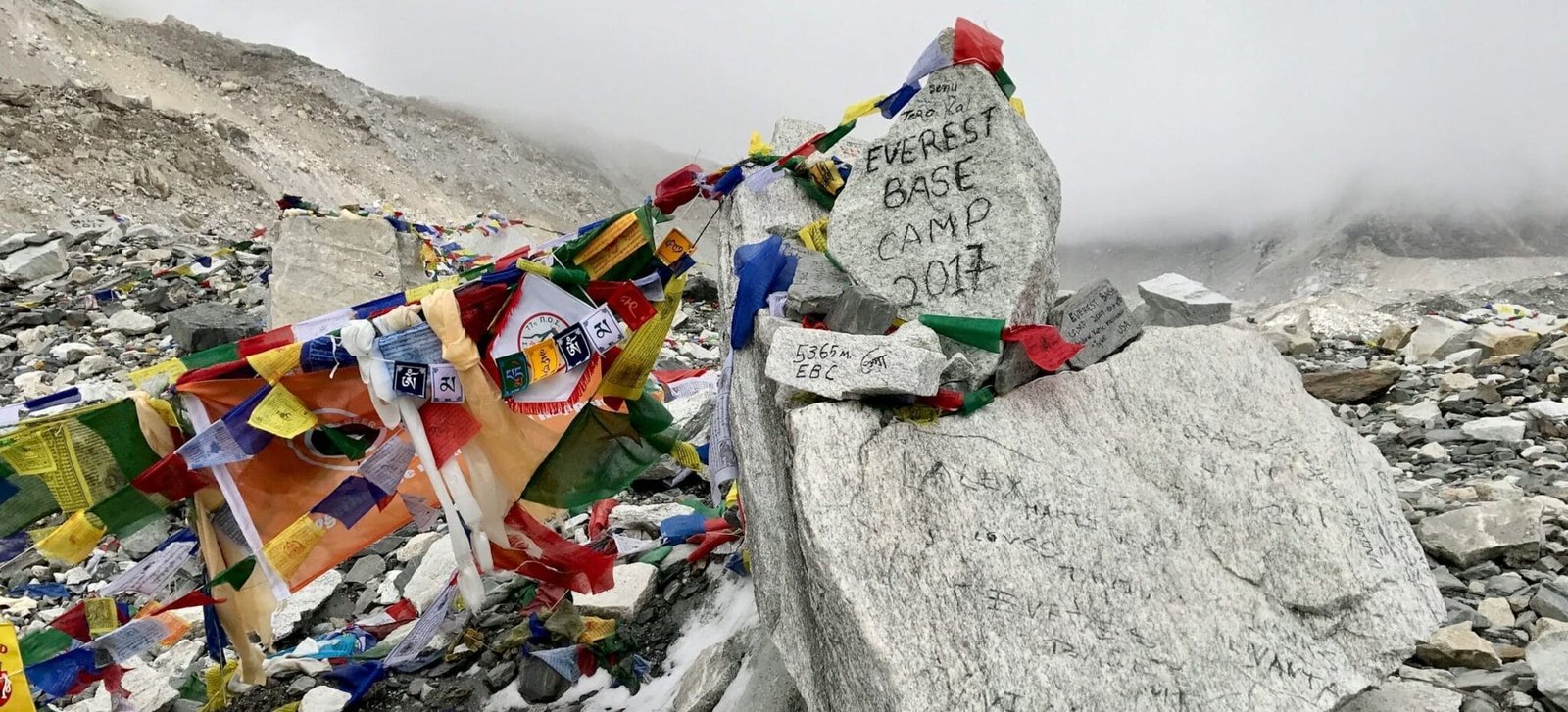
You will enter the Mount Everest Nature Reserve in the late afternoon. After you get there, you’ll go to the 4,980-meter-tall Rongbuk Monastery, which is the tallest monastery in the world. You’ll go a short distance to reach Everest Base Camp.
You tour Rongbuk Monastery after breakfast. You will enjoy the magnificent views of Everest’s north face. Spending time at the viewpoint will allow you to see Mount Everest up close. You can see Everest as well as the enormous Rongbuk Glacier, which cascades down from the mountain’s north face.
You return to Shigatse by vehicle after a half-day stay, following your path. There are more expansive vistas of the Himalayas along this picturesque path.
You return to Lhasa after breakfast. This journey back offers a last opportunity to take in the stunning Tibetan scenery and consider the amazing experiences. When you get to Lhasa, you check into your lodging. It will give you the chance to unwind and get ready to leave this amazing area.
You’ll be taken to the airport in preparation for your journey to Kathmandu. Your trip across Tibet comes to an end at this point. You will be transferred to your accommodation when you get to Kathmandu. You can explore Thamel and any other sites during your free time.
Your journey to Nepal, Tibet, and Everest Base Camp comes to an end today. Two to three hours before your flight, our assistant will arrive at your hotel and take you to the international airport.
Tibet Tour via Everest Base Camp Includes/Exclude
- Airport Transfers: Private vehicle pick-up and drop-off services upon arrival and departure at Tribhuvan International Airport in Kathmandu.
- Accommodations: Comfortable 3-star standard hotel accommodations in Kathmandu on a bed-and-breakfast basis. Standard hotel or guesthouse accommodations throughout the designated overnight stops in Tibet (Lhasa, Gyantse, Shigatse, and Rongbuk)
- Meals: Daily breakfast at your hotels, plus a special welcome or farewell group dinner featuring authentic local cuisine.
- Transportation: All land transfers and sightseeing tours via private, comfortable tourist vehicles (cars, vans, or coaches depending on group size) along the Friendship Highway and mountain roads.
- Flights: Return airfare for the trans-Himalayan flight between Kathmandu and Lhasa.
- Guides & Support Staff: An experienced, government-licensed English-speaking Tibetan guide during the Tibet leg, plus local support drivers.
- Permits & Official Documentation: All necessary regional paperwork, including the Tibet Travel Permit (TTP) and Alien’s Travel Permit required for Everest Base Camp.
- International Airfare: International flights to and from Kathmandu, Nepal.
- Nepal Visa Fees: On-arrival tourist visa fees for Nepal (USD 30 for 15 days, USD 50 for 30 days, or USD 125 for 90 days).
- Meals in Tibet: Lunches and dinners throughout the duration of the Tibet portion of the tour (allowing flexibility to choose local dining options).
- Travel Insurance: Mandatory comprehensive travel insurance covering high-altitude emergency medical evacuation and trip cancellation.
- Personal Expenses: Expenses of a personal nature, such as laundry, phone calls, alcoholic beverages, bottled water, and extra snacks.
- Tips & Gratuities: Tipping funds for tour guides, drivers, and local hotel staff.
- Emergency Costs: Additional expenses incurred due to flight delays, road blockages, political strikes, or medical evacuations.
Tibet Tour via Everest Base Camp Gallery/Video


Best Time for the Tibet and Everest Base Camp Tour
Spring (March to May): Blooming Landscapes and Clear Skies
Autumn / Fall (September to November): Crisp Air and Peak Visibility
Summer / Monsoon (June to August): Dramatic Scenery and Heavy Rains
Winter (December to February): Solitude and Freezing Heights
Visa, Documentation, and Entry Guidelines for Nepal
Tibet Tour via Everest Base Camp FAQS
Expand AllNo, they are entirely different experiences. The Nepal EBC trek involves 12 to 14 days of sustained, high-altitude trekking starting from Lukla. In contrast, the Tibet EBC tour reaches the North Base Camp by vehicle via the Friendship Highway, making it accessible to travelers without trekking experience. Furthermore, the Tibetan side offers a magnificent, unobstructed view of Mount Everest’s massive north face.
No. Independent travel is strictly prohibited for foreign visitors in Tibet. You must book your trip through an authorized registered tour operator, and travel must be conducted with a licensed local guide and pre-arranged private vehicle/permits.
Because this tour crosses into China/Tibet from Nepal, you will need a valid passport (with at least 6 months validity), a standard Nepal tourist visa, a Chinese tourist visa, the Tibet Travel Permit (TTP), and an Aliens’ Travel Permit (ATP) for the Everest region. All official permits for Tibet are processed and secured by your tour agency in advance.
No specialized trekking fitness or mountaineering background is required. However, because you will be traveling and sleeping at high altitudes (ranging from Lhasa at 3,656 meters up to Everest Base Camp at 5,150 meters), a reasonable level of general health and cardiovascular fitness is recommended. Our itinerary features a gradual acclimatization profile to help your body adjust smoothly.
Due to strict government regulations and the time required to process official Tibet Travel Permits, you must book at least 15 to 20 days in advance. For peak travel seasons (spring and autumn), booking 2 to 3 months ahead is strongly recommended to secure preferred hotel spaces and permit approvals.
Traveler Reviews
Explore authentic feedback from our past adventurers with Best Treks and Adventure, sourced from TripAdvisor, Google, Facebook, and Trustpilot.

Ralfi Lahor (Spain)
Amazing Kathmandu 7 UNESCO World Heritage Sites Day Tour
Amazing Kathmandu 7 UNESCO World Heritage Sites Day Tour
We had a wonderful experience exploring the 7 UNESCO World Heritage Sites in Kathmandu Valley with Best Trek and Adventure. This Kathmandu day tour was a perfect way to discover the history, culture, architecture, and spiritual traditions of Nepal in a single day. Our tour guide Prakash was the best of the best guide for ever to us.
Our private Kathmandu sightseeing tour included Kathmandu Durbar Square, Swayambhunath (Monkey Temple), Boudhanath Stupa, Pashupatinath Temple, Patan Durbar Square, Bhaktapur Durbar Square, and Changu Narayan Temple. Every UNESCO World Heritage Site was unique and fascinating, with beautiful temples, ancient palaces, stupas, traditional Newari architecture, and incredible cultural heritage.
Our guide was friendly, knowledgeable, and helpful throughout the tour. He explained the history and religious importance of each place clearly and also gave us enough time to enjoy the surroundings and take photographs.
We highly recommend Best Trek and Adventure Pvt. Ltd. for anyone looking for a Kathmandu UNESCO World Heritage Sites tour, Kathmandu Valley sightseeing tour, or private Kathmandu day tour. The organization, transportation, guide service, and overall experience were excellent. It was truly a lifetime memorable trip in Kathmandu, Nepal. We would happily recommend Best Trek and Adventure to other travelers visiting Nepal. Namaste!
Rob Lannister (Switzerland )
Best Trek and Adventure is the best agency in Nepal
It was great time for Manaslu Circuit with Tsum Valley Trek with Best Trek and Adventure. Our guide Dinesh was great, polite, on-time and knowledgeable as well many years experienced. We are 100% satisfy and value of money with this agency and whole team. Prakash, owner of agency was responsible, organized and quick answer. So no need to search another agency then Best Trek and Adventure for your memorable trip to Nepal. Thank you! Namaste!
Ran Royan (Switzerland )
An excellent Annapurna Circuit Trek
We had perfect trip to Annapurna Circuit Trek include Tilicho Lake. Me and my 7 friends did this 15 days trip include Kathmandu and Pokhara Tour.
We had confirmed this trip almost 6 months before. They were responsive. They answer all our emails within 2 hours. When we had mate with their team also really helpful, experienced and kind. Even for hiking 🥾 to Annapurna Circuit we didn’t expect that kind of foods, services and teahouses but they had provided us great services. If you are planning any trip to Nepal. Feel free to contact this company and book this trip for your great trip. Highly recommend this agency Best Trek and Adventure for your any kind of trip. Dhanyabad. Namaste.
Ryan Roger (France)
Annapurna Circuit Trek
We had great time for Annapurna Circuit Trek with Best Trek and Adventure. Our guide Dinesh was an excellent . We also did Kathmandu and Pokhara tour.
Team member of this agency are really on time and responsive. They reply our all questions with in couple of hour. Highly recommend this agency and team for your any kind of trip. Thank you!
Ryan Roger (France)
Annapurna Circuit Trek
We had great time for Annapurna Circuit Trek with Best Trek and Adventure. Our guide Dinesh was an excellent . We also did Kathmandu and Pokhara tour.
Team member of this agency are really on time and responsive. They reply our all questions with in couple of hour. Highly recommend this agency and team for your any kind of trip. Thank you!
Add a Review
Price Start From
Book NowWhy choose Us
- An Excellent reviews and High Star Rating.
- Organized and Customizable Itinerary.
- Affordable Price.
- Focus for Eco-Friendly Tourism
- Well-Qualified Guides and Workers.