Explore Nepal Beyond the Tourist Trail
Nepal is a diverse field-research destination with many ethnic communities, cultures, religions, traditional lifestyles and unique natural environments. From Himalayan villages and Buddhist communities to rural settlements, historic cities and conservation areas, Nepal offers many opportunities for cultural, social, environmental and academic research.
Our Research Trips in Nepal are fully customized around your research topic, objectives, field locations, available time and travel requirements. We arrange the practical travel support so you can focus on your fieldwork.
What Can You Research?
Our research journeys can be developed around subjects such as:
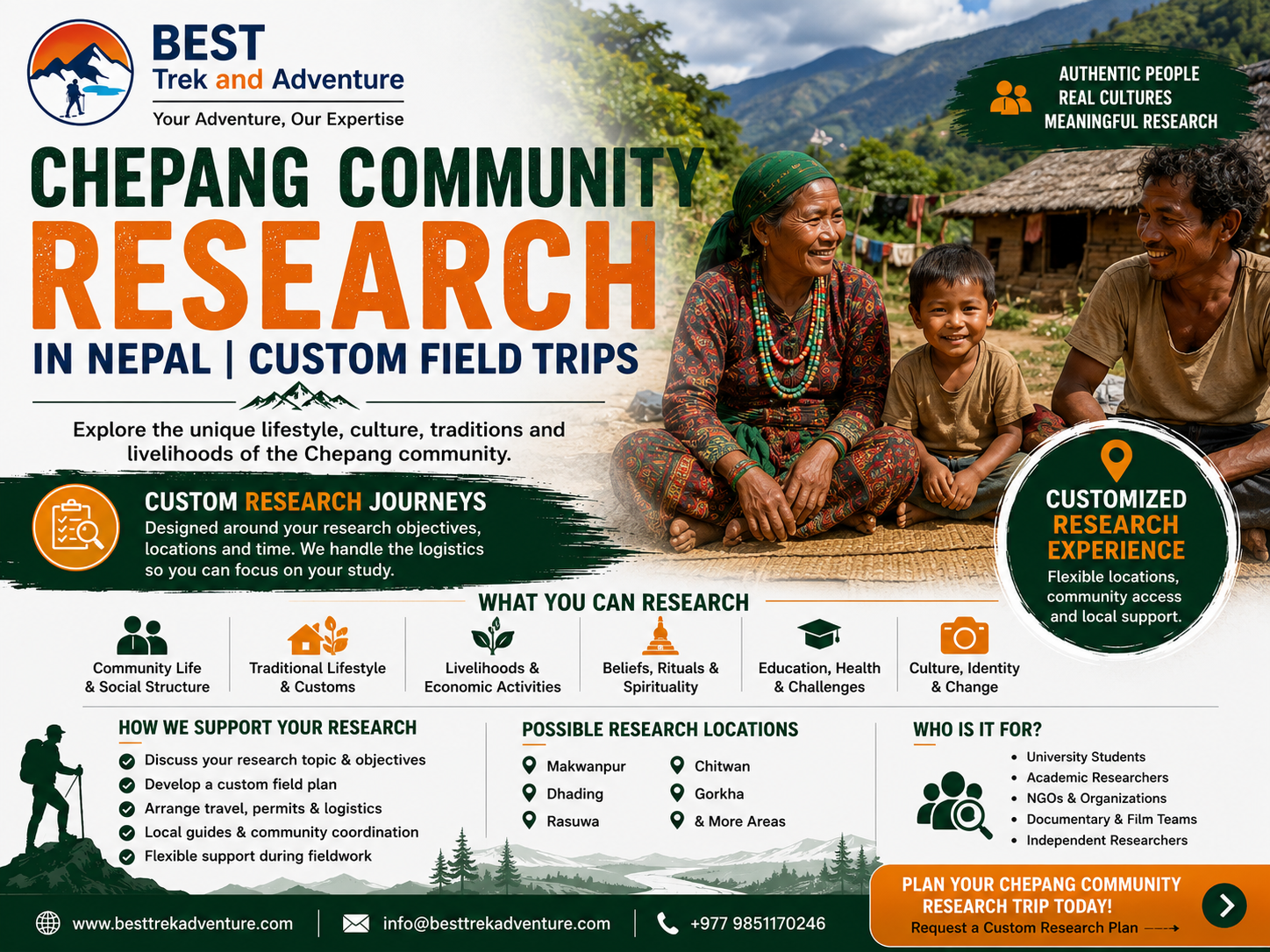
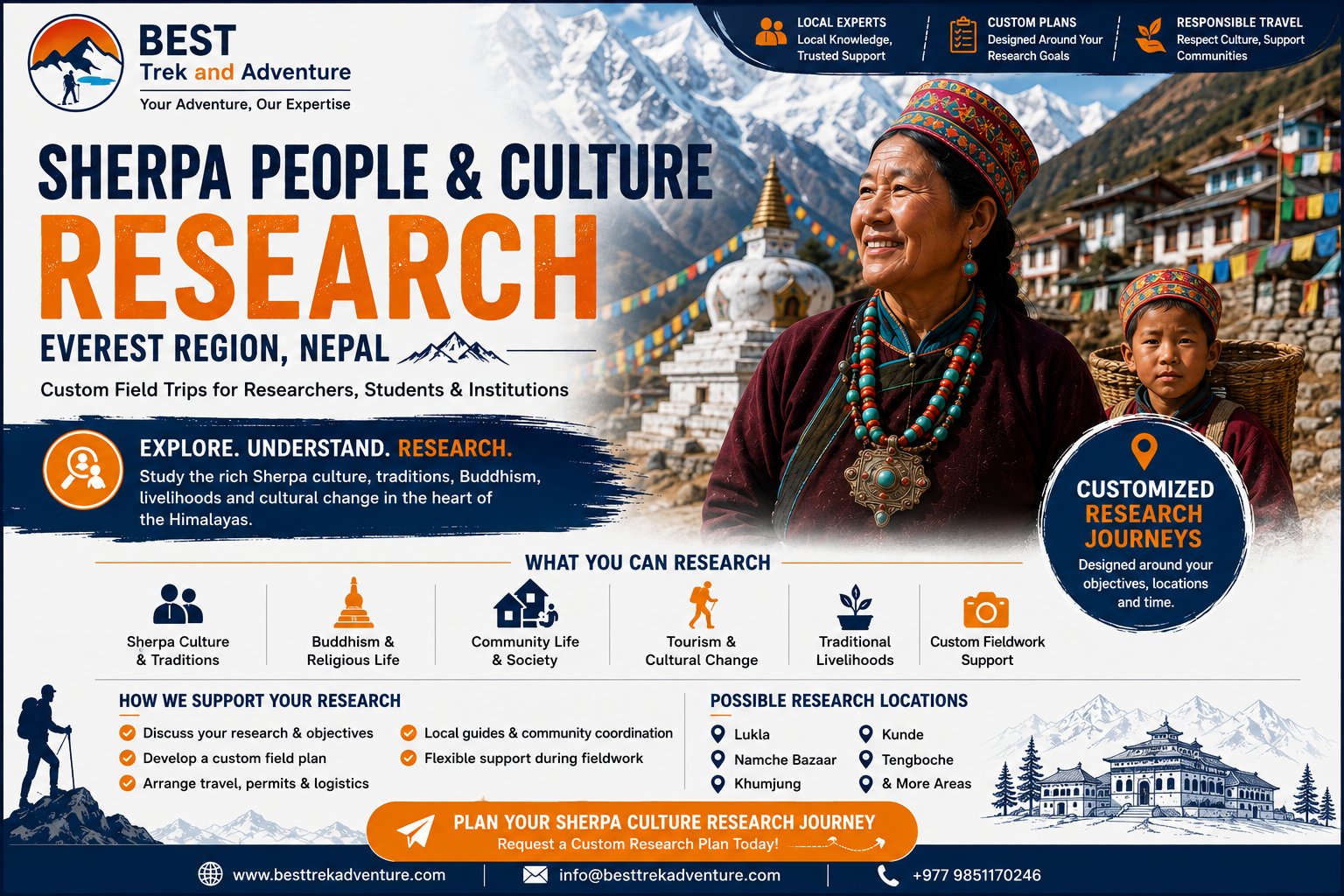
- Indigenous & Ethnic Communities – Sherpa, Chepang, Gurung, Magar, Tamang, Tharu, Newar and others
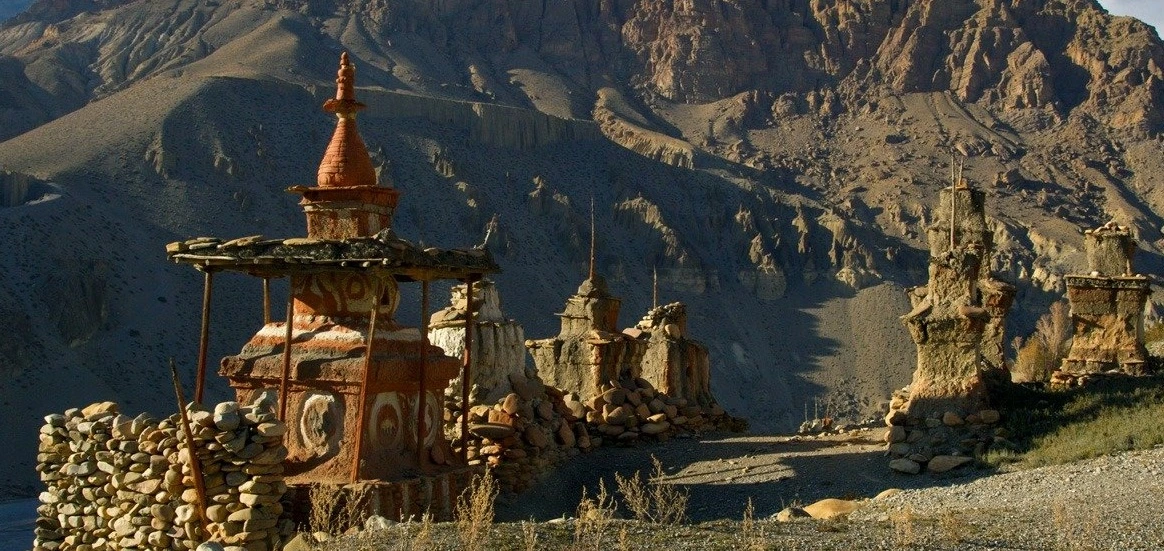
- Buddhist & Religious Culture – monasteries, rituals, festivals, pilgrimage and sacred landscapes
- Himalayan Communities – mountain culture, livelihoods, migration and social change
- Tourism & Cultural Change – trekking, mountaineering, community tourism and local impacts
- Rural Livelihoods – agriculture, livestock, migration and traditional occupations
- Environment & Conservation – biodiversity, climate change and human-environment relationships
- History & Heritage – architecture, historic settlements, temples and cultural preservation
Have a different research topic? We can develop a customized research journey around your requirements.
Where Can You Conduct Research?
Research locations in Nepal depend on your subject, fieldwork requirements and research objectives. We can help arrange research journeys in the Himalayan mountains, mid-hill communities, rural villages, historic cities and cultural regions across Nepal.
Possible locations include the Everest/Khumbu region, Annapurna, Manaslu, Langtang, Mustang, Kathmandu Valley, Chitwan, the Terai and other communities throughout Nepal.
There is no fixed day-by-day itinerary for our research experiences. Instead, we develop the travel plan according to your research topic, required field locations, available time, transportation requirements and preferred level of trekking or travel.
Depending on the project, a research journey may include villages, monasteries, community homestays, cultural sites, agricultural areas, protected areas, historic settlements, trekking routes or other field locations relevant to the research.
How We Organize Your Research Trip
Every research project has different objectives, locations and fieldwork requirements. That is why we do not offer a fixed itinerary for our research trips. Instead, we work with you to develop a practical travel plan around your research.
1. Discuss Your Research Objectives
The first step is understanding what you want to study. Tell us about your research topic, main objectives, target communities or geographic areas, preferred timeline and the type of fieldwork you plan to conduct.
This helps us understand the kind of destinations, local support and travel arrangements your project may require.
2. Identify Suitable Research Locations
Based on your research topic, we can help identify suitable areas and communities to include in your journey. Nepal has a wide range of cultural, geographic and social environments, from Himalayan villages and Buddhist communities to rural agricultural areas and historic cities.
The final locations depend on your research objectives, accessibility, available time and fieldwork requirements.
3. Develop a Customized Research Plan
Once your research requirements are understood, we develop a customized travel and field plan. The plan can include the locations you need to visit, suggested time in each area, transportation, accommodation, trekking requirements and other practical arrangements.
There is no requirement to follow a traditional tourist or trekking itinerary. Your research objectives determine the structure of the journey.
4. Arrange Travel & Field Logistics
Best Trek & Adventure can arrange the practical services required for your research journey, including transportation, domestic flights, accommodation, local guides, trekking support, meals, applicable permits and other travel logistics.
If your research requires travel into remote mountain or rural areas, we can also help organize the additional trekking and logistical support needed to reach those locations.
5. Local Guides & Community Coordination
Local knowledge can be especially valuable when conducting fieldwork in unfamiliar communities. Our local team can help you understand local customs, travel conditions and cultural considerations.
Where appropriate and subject to local consent, we can also assist with community visits and introductions relevant to your research. Any interviews, observations, photography or recordings must be conducted with appropriate permission and informed consent.
6. Flexible Travel During Fieldwork
Research does not always follow a predictable schedule. Your fieldwork may require additional time in one location, changes to the route or visits to another community.
Where practical, we can adjust the travel arrangements according to your research needs and local conditions.
Researchers remain responsible for their own academic methodology, institutional approvals, ethical clearances and research permissions. Our role is to provide the travel, logistical and local support needed to make your fieldwork journey practical and manageable.
Who Is It For?
Suitable for university students, academic researchers, educational institutions, documentary teams, photographers and independent researchers.
Start Your Research in Nepal
Tell us what you want to study, where you want to conduct fieldwork and how much time you have in Nepal. Our local team will help develop a suitable research travel plan.