Lukla – The Gateway to Everest Treks in Nepal
Where Is Lukla and Why It Is So Important for Everest Treks
Lukla is a small mountain town located in the eastern part of Nepal, inside the Everest region. It sits in the Solukhumbu district at an altitude of about 2,860 meters above sea level. This area is surrounded by green hills, deep valleys, and snow-covered peaks. The town is not connected by road, so most travelers reach it by a short flight from Kathmandu or Manthali. For many trekkers, this is their first real experience of the Himalayan mountains, and it feels very different from city life.
The location of Lukla makes it very special for people who want to trek in the Everest region. From this town, the main trekking trail slowly moves toward famous places like Namche Bazaar, Tengboche, Dingboche, and Everest Base Camp. The trails from here are well marked and have many villages along the way. This helps trekkers walk step by step and adjust to the high altitude. Because of this natural route, the town has become the main starting point for trekking in the Everest area.
Almost all popular Everest region treks begin from Lukla. This includes the Everest Base Camp trek, Gokyo Lakes trek, Everest View trek, and the Three Passes trek. Starting here allows trekkers to gain height slowly, which is important for safety and health. The walking distance between villages is well planned, and there are many tea houses for rest and meals. This makes trekking more comfortable, especially for people visiting the Himalayas for the first time.
People often call Lukla the gateway to Everest because it connects travelers to the heart of the Everest region. Before starting the trek, trekkers usually spend some time here to prepare. They check their gear, enjoy warm meals, and meet guides and porters. The town has small shops, lodges, bakeries, and trekking equipment stores. Even though it is small, it feels lively during trekking seasons because people from all over the world pass through.
Reaching Lukla feels like entering a different world for many travelers. The air is fresh, the mountains feel closer, and the walking journey truly begins from here. Starting the trek from this point also helps trekkers understand local mountain life early on. They see prayer flags, mani walls, and stone houses that reflect Sherpa culture. This first step into the Everest region helps create a strong connection with the land, people, and mountains that follow along the trail.
Lukla Airport: The First Adventure of the Everest Journey
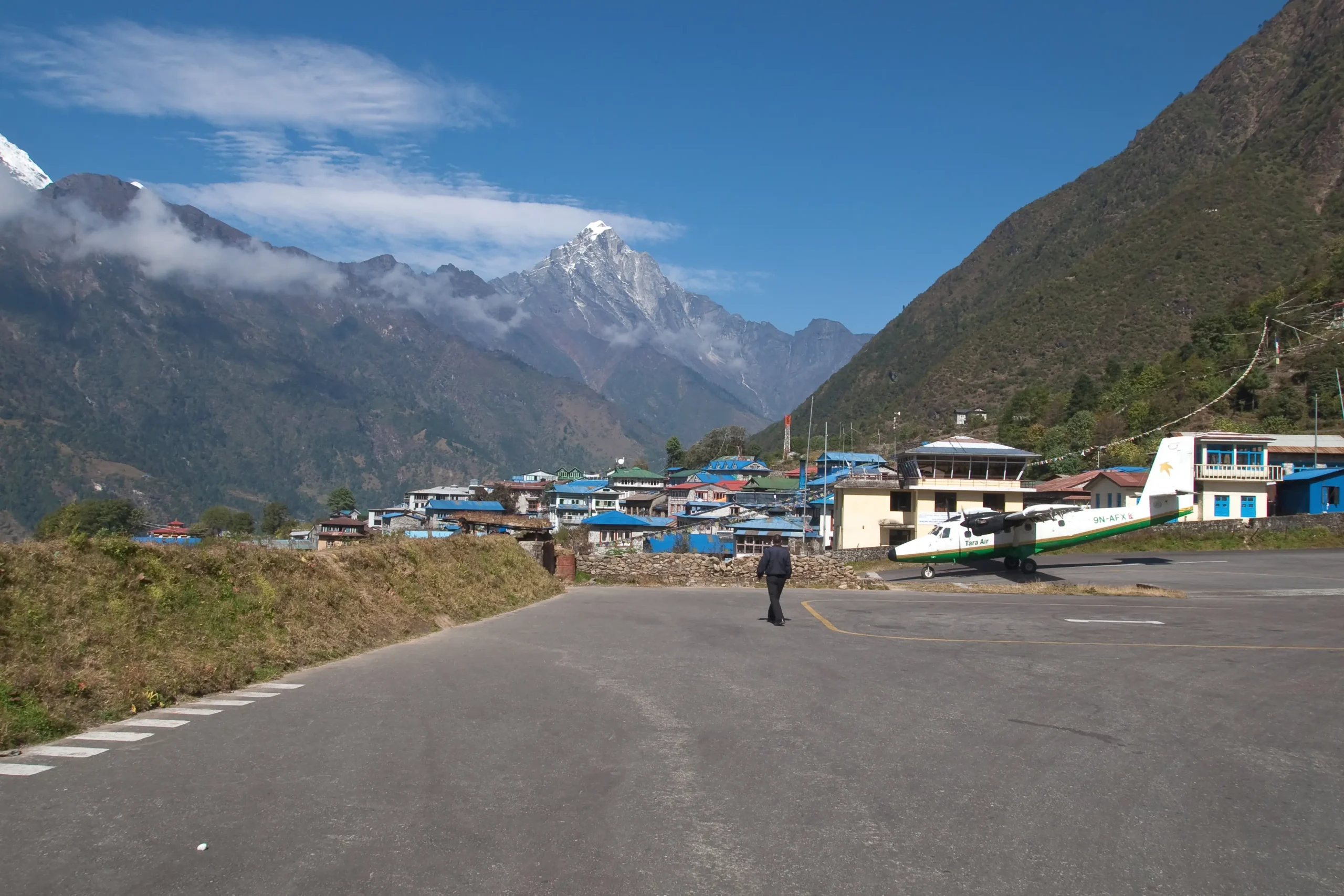
Lukla Airport is one of the most well-known mountain airports in the world and is often the first real experience of the Everest region for trekkers. It is located high in the hills, surrounded by steep slopes and snow-covered peaks. The airport is small and simple, but it plays a very important role in mountain travel. For many people, landing here feels like the true beginning of their trekking journey in Nepal.
The airport is famous because of its short runway and mountain setting, not because it is dangerous, but because it is unique. Flights are operated by skilled local pilots who are trained for high-altitude landings. Planes are small and carry limited passengers, which helps with safe operation in the mountains. Weather conditions decide when flights can fly, so clear skies and good visibility are very important. Because of this, flights to Lukla usually run early in the morning.
Weather delays are common in this region, and trekkers should expect some waiting time. Clouds, wind, or fog can stop flights for a few hours or sometimes a full day. This is normal in mountain areas and part of the travel experience. Trekkers are advised to keep one or two extra days in their schedule to manage delays. Staying flexible and calm helps make the journey smoother and less stressful.
When the plane lands, trekkers often feel a mix of excitement and relief. The landing is quick, and soon passengers step out into fresh mountain air. From the runway, trekkers can already see hills, prayer flags, and small buildings nearby. This first view helps travelers understand that they are now far from city life. Arriving in Lukla also means the walking journey will begin very soon.
Before flying, trekkers should prepare properly by packing light and keeping important items in a day bag. Flights to Lukla have weight limits, so simple packing is helpful. It is also good to eat light food before the flight and stay relaxed. Many trekkers find that the flight adds excitement to the trip and creates a strong memory even before the trek starts. The airport experience helps build anticipation for the trails, villages, and mountains that lie ahead.
For most trekkers, passing through Lukla Airport is not about fear but about stepping into adventure. It marks the point where roads end and trails begin. The sound of planes, the movement of trekkers, and the calm mountain setting create a special atmosphere. This moment often stays in the memory long after the trek is finished, as it represents the first step into the heart of the Everest region.
What Lukla Town Is Like for Trekkers
Lukla is a small mountain town, but it feels lively and welcoming for people who are about to start their trek in the Everest region. The village is surrounded by green hills, stone walls, and prayer flags that move gently in the wind. Most buildings are simple and made from stone or wood. Trekkers often arrive here by flight and spend their first night adjusting to the mountain environment.
The town has many tea houses and lodges that are made for trekkers. These places offer clean rooms, warm blankets, and shared dining areas where people sit together. After reaching Lukla, trekkers usually take time to rest, unpack their bags, and recover from the journey. The lodges are friendly places where guides explain the plan for the next day and help check trekking permits and equipment.
Food is an important part of village life here. There are small restaurants and bakeries that serve fresh meals like dal bhat, noodles, fried rice, soup, and bread. Many trekkers enjoy having coffee or tea while looking at the mountains around Lukla. Bakeries are popular because they offer items like apple pie, biscuits, and simple cakes, which feel comforting before days of walking on the trail.
Shops in the town sell trekking gear, snacks, water bottles, and basic supplies. Trekkers often buy last-minute items such as gloves, hats, rain covers, or energy bars. The shopkeepers are used to helping travelers and give clear advice about what is useful on the trail. Walking through the small streets of Lukla gives trekkers a chance to slowly settle into mountain life and understand the rhythm of the region.
The local people play a big role in making the town feel warm and safe. Many residents work as lodge owners, guides, porters, or shopkeepers. They greet trekkers with smiles and are happy to help with directions or simple questions. In the evenings, trekkers often sit in dining rooms, share stories, and prepare mentally for the walk ahead. Time spent in Lukla helps travelers rest well, eat properly, and feel ready for the days of trekking that follow.
Everest Treks That Start from Lukla
Many of the most famous trekking routes in Nepal begin from Lukla, making it the main entry point to the Everest region. After landing and spending a night in the town, trekkers start walking through river valleys, forests, and mountain villages. The trails are well used and supported by tea houses, which makes this area suitable for different types of trekkers, from beginners to experienced mountain walkers.
The Everest Base Camp trek is the most popular journey that starts from Lukla. This trek is best for people who have good fitness and enough time, usually around two weeks. Trekkers walk through Namche Bazaar, Tengboche, and Dingboche before reaching the base of Mount Everest. The trail is busy during peak seasons and offers clear views of high peaks, monasteries, and Sherpa villages. Many first-time trekkers choose this route because it is well organized and has many places to rest along the way.
Another well-loved option is the Gokyo Lakes trek, which also begins after arriving in Lukla. This trek is good for travelers who want quieter trails and beautiful lake views. It leads to a group of high-altitude lakes with blue water and includes a climb to Gokyo Ri for mountain views. This trek is suitable for people who have some trekking experience and want a peaceful walk with fewer crowds compared to the Everest Base Camp route.
The Three Passes trek is the most challenging route in the Everest region and is best for experienced trekkers. Starting from Lukla, this trek crosses three high mountain passes and includes both Everest Base Camp and Gokyo Lakes. It requires strong fitness, good preparation, and enough time. This route offers wide mountain views and remote sections, making it a rewarding choice for trekkers who enjoy long and demanding walks.
For travelers with limited time, short Everest view treks are a good choice. These treks start from Lukla and usually go as far as Namche Bazaar or nearby viewpoints. They are ideal for beginners or people who want to experience Everest views without long walking days. These routes still offer mountain scenery, local culture, and comfortable lodges, making them suitable for families and first-time visitors to the region.
Tips for Travelers Visiting Lukla for the First Time
Visiting Lukla for the first time can feel exciting and a little unfamiliar, especially for trekkers who are new to the Everest region. This small mountain town is where walking journeys begin, so good preparation helps make the experience smooth and enjoyable. Taking time to understand the area, the travel conditions, and your own limits can make a big difference during the first few days of the trek.
Choosing the right trekking season is one of the most important tips. The best times to travel are spring from March to May and autumn from September to November. During these months, the weather is usually clear, and mountain views are better. Flights operate more regularly, and trails are in good condition. Winter can be very cold, and summer brings rain and clouds, which can affect flights to Lukla and visibility on the trail.
Packing smart is another key point for first-time visitors. Pack light but carry all essential items such as warm clothing, a rain jacket, good walking shoes, and basic medicine. Flights have weight limits, so carrying only what you need is helpful. Many items can also be rented or bought in the town, so there is no need to overpack. Keeping a small day bag with water, snacks, and important documents makes moving around easier in Lukla.
Altitude awareness is very important from the first day. Even though the town is not extremely high compared to other places on the trek, the body still needs time to adjust. Walk slowly, drink plenty of water, and avoid rushing on the first days. Listening to your guide and paying attention to how your body feels helps prevent altitude problems. Taking rest seriously from the start supports a safer trekking experience after leaving Lukla.
Flight delays are common in mountain areas, so adding extra buffer days to your plan is a smart choice. Weather can change quickly, and flights may be delayed or canceled. Keeping one or two spare days helps reduce stress and keeps travel plans flexible. Mental preparation is also helpful. Staying patient, calm, and positive makes the journey more enjoyable. Arriving in Lukla is not just about reaching a place, but about preparing the mind and body for the mountain trail ahead.
Lukla plays a very important role in every Everest region journey. From the moment travelers arrive, it slowly prepares them for life in the mountains. The airport experience, village life, trekking routes, and early walking days help trekkers adjust both physically and mentally. Time spent here allows people to rest, organize gear, meet guides, and understand local culture before moving higher. Starting a trek from Lukla is not just about location, but about beginning the journey in a balanced and thoughtful way. This first step sets the pace, builds confidence, and helps create a deeper connection with the Himalayan trail ahead.
Make an Inquiry



 January 20, 2026
Where Is Mount Everest? Country, Region, and Fun Facts
Where Is Mount Everest Located in the World? Many people around the world ask a simple question: where is Mount...
 January 6, 2026
Three Passes Trek for Adventure Lovers in Nepal
What Is the Three Passes Trek and Where Is It Located The Three Passes Trek is one of the most...