Best Time for Everest Base Camp Trekking – Easy Guide for Beginners
Introduction to Everest Base Camp Trekking
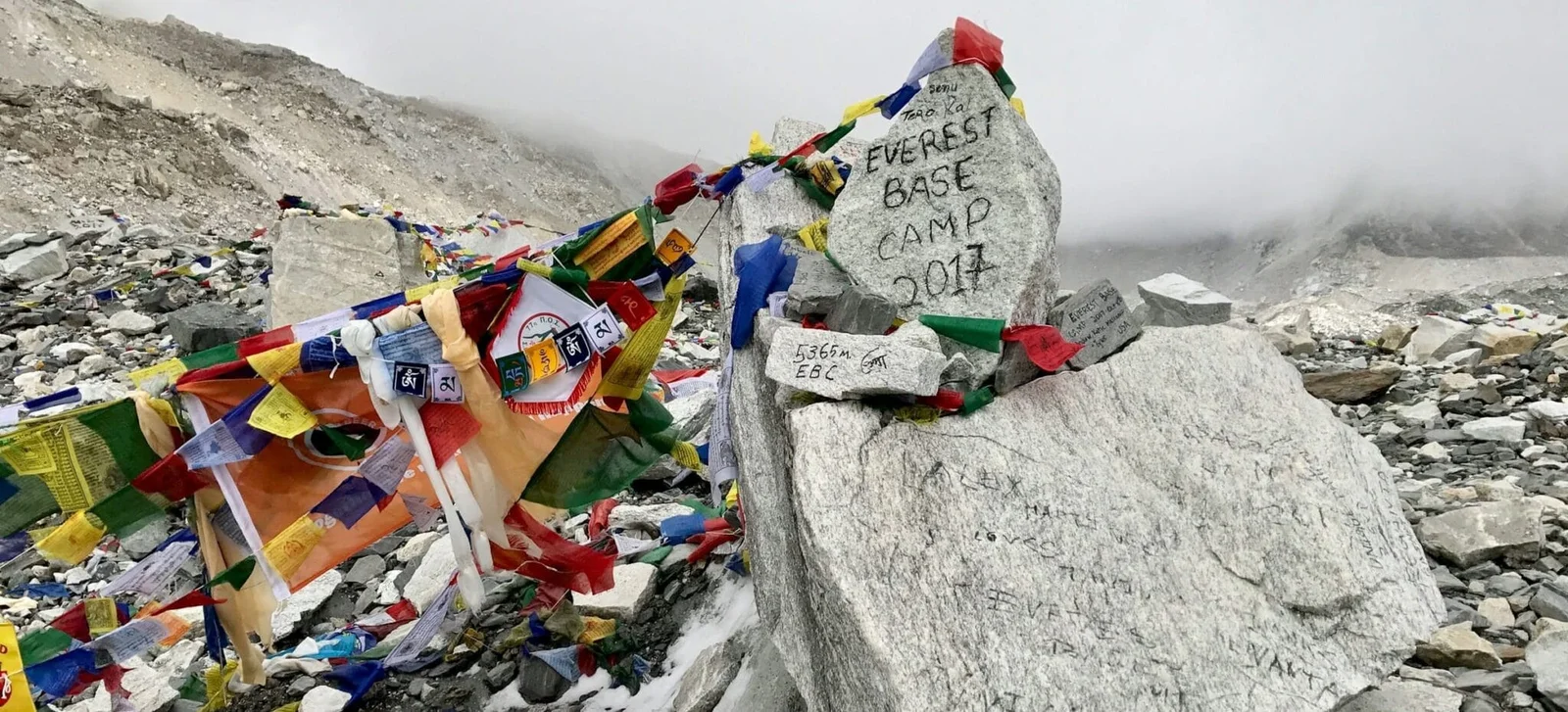
Everest Base Camp Trekking is one of the most famous trekking journeys in the world. It takes you close to the foot of Mount Everest, the tallest mountain on Earth. This trek is located in Nepal, inside the beautiful Himalayan region. Every year, many trekkers from different countries come here to enjoy nature, culture, and adventure. In this blog we will learn about Best Time for Everest Base Camp Trekking.
The trek usually starts with a flight to Lukla Airport, and then you walk through small mountain villages. Along the way, you pass forests, rivers, suspension bridges, and high hills. You also visit famous places like Namche Bazaar, which is known as the gateway to Everest. The journey continues through beautiful Sherpa villages and leads you to Everest Base Camp, which sits at the base of Mount Everest.
People choose Everest Base Camp trekking for many reasons. One main reason is the amazing mountain views. You can see snow-covered peaks like Everest, Lhotse, and Ama Dablam. The scenery changes every day, which makes the trek exciting. Another reason is the culture. You get to learn about the Sherpa people, their lifestyle, and their traditions. You can visit monasteries, spin prayer wheels, and see colorful prayer flags along the trail. This gives a deep cultural experience, not just a physical journey.
Adventure is also a big part of this trek. Walking for many days in high altitude is not easy, but it is very rewarding. Each day, you feel a sense of achievement as you move closer to Everest Base Camp. The fresh mountain air, peaceful environment, and simple tea houses make the journey special.
One very important thing to understand before planning this trek is the Best Time for Everest Base Camp Trekking. The weather in the Himalayas changes a lot during the year. Some months have clear skies and great views, while other months have rain, snow, or clouds. Choosing the Best Time for Everest Base Camp Trekking helps you enjoy better views, safer trails, and a more comfortable journey.
If you go at the right time, you can see clear mountains, walk on dry trails, and enjoy pleasant weather. But if you choose the wrong season, you may face heavy rain, strong winds, or extreme cold. That is why knowing the Best Time for Everest Base Camp Trekking is very important for both beginners and experienced trekkers.
Many trekkers plan their journey by learning about seasons like spring, autumn, winter, and summer. Each season has its own good and bad sides. Understanding these seasons will help you decide the Best Time for Everest Base Camp Trekking based on your comfort, budget, and travel goals.
This trek is not just about reaching a destination. It is about enjoying every step of the journey in the right season.
Spring Season (March to May): Best Time for Everest Base Camp Trekking
Spring season, from March to May, is one of the most popular times to visit Everest Base Camp. Many trekkers choose this season because the weather is stable and the views are very clear. During this time, the sky is often blue, and you can see amazing mountain peaks like Mount Everest, Lhotse, and Ama Dablam. This is why many people believe spring is the Best Time for Everest Base Camp Trekking.
One of the most beautiful parts of trekking in spring is the blooming of rhododendron flowers. These are Nepal’s national flowers, and they grow in the lower and middle parts of the trail. The hills turn red, pink, and white with these flowers, making the journey colorful and enjoyable. Walking through these forests feels peaceful and fresh, adding more joy to the trek.
The weather in spring is another big reason why it is known as the Best Time for Everest Base Camp Trekking. The temperature is moderate, which means it is not too cold and not too hot. During the day, the weather is comfortable for walking. Nights can still be cold, especially at higher places like Gorak Shep, but it is manageable with proper clothing. This balance in weather makes trekking easier and safer.
Clear mountain views are a major highlight in spring. Early mornings are usually the best time to see the mountains clearly. The sunlight on snow-covered peaks creates a golden color that looks very beautiful. Trekkers often stop to take photos and enjoy the view. Because of this, many photographers and nature lovers consider spring the Best Time for Everest Base Camp Trekking.
Spring is also a busy trekking season. Many people from around the world come to Nepal during this time. Trails, tea houses, and popular stops like Namche Bazaar can be crowded. While this means you will meet many other trekkers and share experiences, it also means you need to book flights and accommodation early. The busy environment can feel lively and exciting, especially for first-time trekkers.
Another important point is safety. In spring, the trails are usually dry and in good condition. There is less risk of heavy snow blocking the path compared to winter. This makes it easier to walk and reduces the chance of accidents. Good weather and better trail conditions are key reasons why guides often suggest spring as the Best Time for Everest Base Camp Trekking.
The spring season also supports local life in the mountains. Tea houses are fully open, and services are better because of the high number of trekkers. You can enjoy warm meals, comfortable stays, and friendly hospitality from local people. This adds to the overall trekking experience and makes your journey more enjoyable.
Because of all these reasons, many trekkers plan their trip in spring. The mix of clear views, blooming nature, and good weather creates a perfect trekking environment. Choosing spring as the Best Time for Everest Base Camp Trekking helps you enjoy both natural beauty and a smooth trekking experience.
Autumn Season (September to November): Perfect Weather and Clear Views
Autumn season, from September to November, is known as the most popular time for trekking in Nepal. Many trekkers choose this season because it offers the best balance of weather, views, and overall experience. After the monsoon rains end, the sky becomes clear, and the air feels fresh. This is one of the main reasons why many people consider autumn the Best Time for Everest Base Camp Trekking.
One of the biggest highlights of autumn is the clear mountain views. The rain during the monsoon season washes away dust and pollution, leaving the sky clean and bright. This makes it easier to see tall peaks like Mount Everest, Lhotse, and Ama Dablam. Early mornings and evenings are especially beautiful, with clear views and soft sunlight on the mountains. For many trekkers, this clear visibility makes autumn the Best Time for Everest Base Camp Trekking.
The weather during autumn is very stable. Days are usually sunny with blue skies, and temperatures are comfortable for walking. It is not too hot like summer and not too cold like winter. Nights can be cold at higher altitudes, but the weather remains predictable. This stability helps trekkers plan their journey better and avoid delays. Because of this reliable weather, guides often suggest autumn as the Best Time for Everest Base Camp Trekking.
Another special part of trekking in autumn is the chance to experience Nepal’s biggest festivals. During this season, people celebrate Dashain and Tihar. Villages along the trekking route feel lively, and you may see homes decorated with lights and flowers. You can also observe local traditions and enjoy the festive atmosphere. This cultural experience adds more meaning to the trek and makes it more than just a mountain journey.
Autumn is also the busiest trekking season. Trails, tea houses, and places like Namche Bazaar are often full of trekkers. You will meet people from many countries, which makes the journey social and interesting. At the same time, it is important to book flights, guides, and accommodation early. Even though it is crowded, many trekkers still choose this season because they believe it is the Best Time for Everest Base Camp Trekking.
The trails during autumn are in very good condition. After the monsoon, the paths are clean, and there is less dust. This makes walking more comfortable and safe. Rivers are full, and the landscape looks fresh and green at lower altitudes. As you go higher, the scenery changes to rocky and snowy terrain, giving you a full Himalayan experience.
Another reason why autumn stands out is the overall balance it offers. You get clear views, stable weather, cultural experiences, and good trekking conditions all in one season. This combination is hard to find in other times of the year. Because of this, many experienced trekkers and first-time visitors both agree that autumn is the Best Time for Everest Base Camp Trekking.
The lively environment, clear skies, and comfortable weather make autumn a top choice for anyone planning this trek.
Winter Season (December to February): Cold but Quiet Trek
Winter season, from December to February, is the coldest time in the Everest region. During these months, temperatures drop very low, especially at higher altitudes. Places like Gorak Shep and Everest Base Camp can be covered with snow. Because of this, fewer trekkers choose this time. Still, some people prefer winter because of the quiet trails and peaceful environment. For the right kind of traveler, it can still be a good Best Time for Everest Base Camp Trekking.
The cold weather is the biggest challenge in winter. During the day, the temperature can be manageable when the sun is out, but mornings and nights are very cold. At higher places, temperatures can drop below freezing. Strong winds can make it feel even colder. Trekkers need warm clothes, good sleeping bags, and proper gear to stay safe. This is why winter is often recommended for experienced trekkers who are prepared for tough conditions.
Snow is common on the trails during winter. The paths can be covered in fresh or hard snow, especially above Namche Bazaar. Walking on snowy trails can be slower and more challenging. In some cases, heavy snowfall may block certain routes for a short time. However, the snow also makes the mountains and landscapes look very beautiful. White peaks and frozen surroundings create a different kind of trekking experience.
One big advantage of winter is the peaceful environment. Since there are fewer trekkers, the trails are quiet. You can walk for hours without meeting many people. Tea houses are less crowded, and you can enjoy more personal time with nature. For those who want to avoid crowds, winter can feel like a special time. This quiet experience makes some trekkers consider winter as their personal Best Time for Everest Base Camp Trekking.
On clear days, mountain views in winter can be very sharp and beautiful. The sky is often clear after snowfall, and the air is clean. You can see peaks like Mount Everest very clearly. The sunlight on the snow-covered mountains creates a bright and peaceful scene. These clear views are one reason why some trekkers still choose winter as the Best Time for Everest Base Camp Trekking.
However, it is important to know that not all lodges stay open during winter. In smaller villages, some tea houses may close because there are fewer visitors. This means you need to plan your stops carefully. It is helpful to trek with a guide who knows which lodges are open. In bigger places like Namche Bazaar, most services are still available, but options can be limited in higher areas.
Winter trekking also requires good planning and flexibility. Flights to Lukla can be affected by weather conditions like fog or wind. It is important to keep extra days in your schedule in case of delays. Being prepared helps make the journey smoother and safer.
Even though winter is cold and challenging, it offers a unique trekking experience. The quiet trails, clear views, and snowy landscapes create a different feeling compared to busy seasons. For trekkers who are well prepared and enjoy solitude, winter can still be a rewarding Best Time for Everest Base Camp Trekking.
Summer/Monsoon Season (June to August): Rainy but Green Trails
Summer, also known as the monsoon season, runs from June to August in Nepal. During this time, the Everest region receives regular rainfall, especially at lower and mid altitudes. The sky is often cloudy, and rain can fall for many hours in a day. Because of this, many trekkers avoid this season. Still, for some travelers who enjoy quiet nature, this can be a different kind of Best Time for Everest Base Camp Trekking.
One of the main challenges in monsoon season is heavy rain. Trails become wet and muddy, which makes walking more difficult. Paths can be slippery, especially in forest areas below Namche Bazaar. Trekkers need to walk carefully to avoid slipping. Good trekking shoes, raincoats, and waterproof bags are very important during this time.
Cloudy skies are common in summer. Because of this, mountain views are often blocked. It can be hard to see peaks like Mount Everest clearly. Some days may offer short clear moments, usually early in the morning, but overall visibility is low. For trekkers who come mainly for mountain views, this may not be the Best Time for Everest Base Camp Trekking.
Another thing to be aware of is leeches. In the rainy season, leeches are found in green and wet forest areas. They are small insects that stick to the skin. While they are not dangerous, they can be uncomfortable. Wearing long socks and proper clothing helps reduce this problem. Trekkers should also carry salt or spray to remove them easily.
Even with these challenges, the monsoon season has its own beauty. The landscape becomes very green and fresh. Forests look alive, rivers flow strongly, and waterfalls can be seen along the trails. The air feels clean, and the environment is peaceful. For nature lovers, this green scenery can make summer feel like a special Best Time for Everest Base Camp Trekking.
Another big advantage is fewer trekkers. Trails are very quiet compared to spring and autumn. You can walk for long hours without meeting many people. Tea houses are less crowded, and you can enjoy a calm and slow journey. This peaceful environment is perfect for those who want to avoid busy seasons. Because of this, some trekkers choose monsoon as their personal Best Time for Everest Base Camp Trekking.
Travel during monsoon also requires flexible planning. Flights to Lukla can be delayed due to bad weather. Rain and clouds can affect visibility for flights. It is important to keep extra days in your itinerary. This helps avoid stress if there are delays.
While summer is not the most popular season, it offers a unique experience. The green trails, quiet paths, and fresh air create a different side of the Everest region. For trekkers who enjoy solitude and natural beauty, and who are ready for rain and challenges, this season can still be considered a different kind of Best Time for Everest Base Camp Trekking.