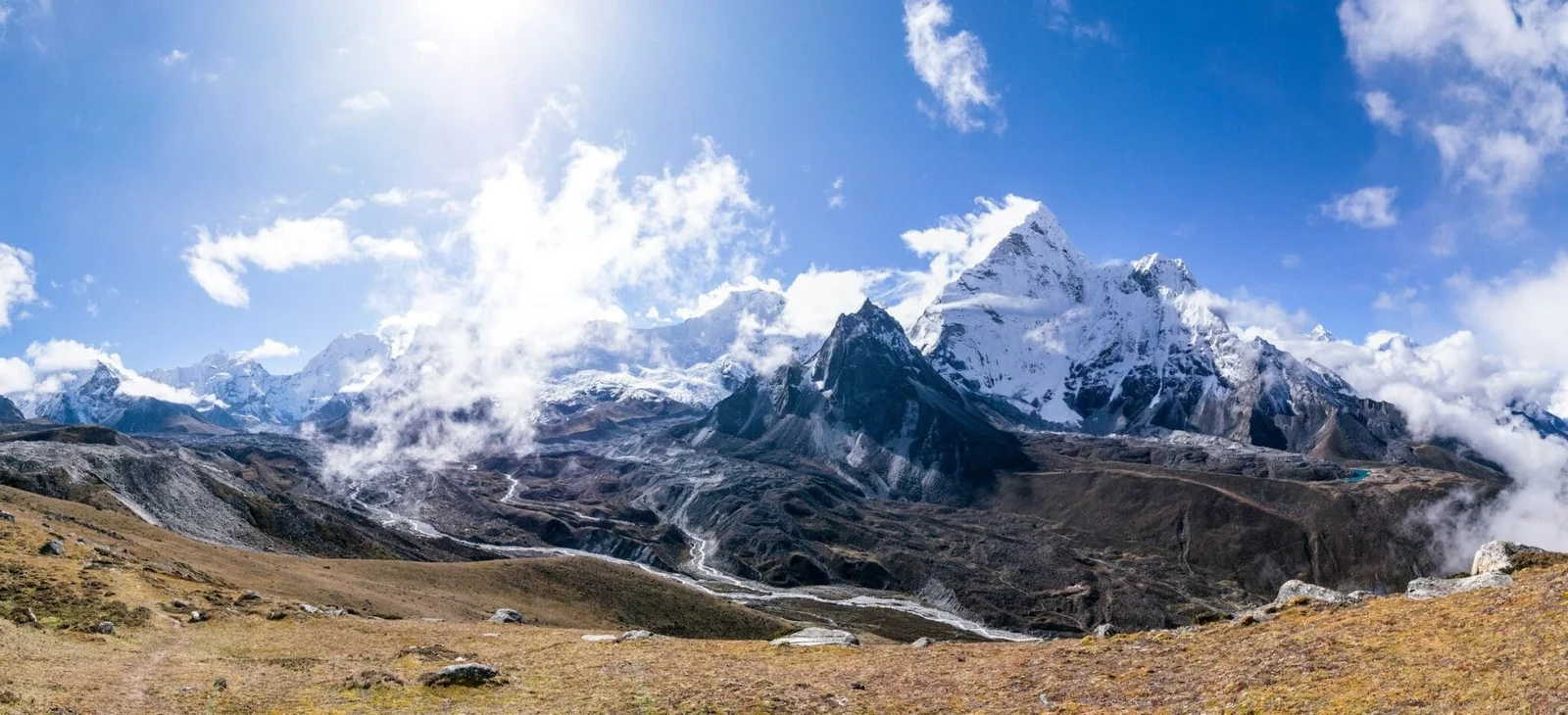
Best Everest Trek – Compare EBC, Panorama, Heli & Gokyo Lake Routes

Introduction: Which Everest Trek is Best for You?

Everest trekking is one of the most popular adventures in the world. Every year, thousands of people come to Nepal to see the highest mountain on Earth. Walking through the villages, forests, and hills of the Everest region gives travelers a chance to experience nature and culture at the same time.

There are many ways to experience Everest. Some people want to walk for several days to reach the base camp, while others prefer shorter trips or even a helicopter ride. Each trek offers something different, from amazing mountain views to quiet lakes and local villages. Choosing the right trek can make a big difference in how much you enjoy your journey.

Not sure which Everest trek to pick? This guide will help you understand the main options. You can compare the classic Everest Base Camp (EBC) Trek, which takes about 15 days, with shorter treks like the Everest Panorama Trek or Everest View Trek. For those looking for adventure in a shorter time, the Everest Base Camp Heli Trek offers a quick and unique way to see the mountains. Some trekkers prefer combining routes, such as the Everest Base Camp Trek with Gokyo Lakes, which gives extra scenic views and fewer crowds. There is also the Everest Base Camp Trek via Salleri, which avoids the Lukla flight and gives a more local experience.

Knowing about these options helps you choose the best Everest trek for your time, fitness level, and travel style. For example, the EBC trek is perfect for first-time Everest travelers who want the full experience. The Panorama Trek is better for those who have limited time but still want beautiful mountain views. The Heli Trek suits people who cannot walk long distances but still want to reach the base of Everest. Combining Gokyo Lakes with EBC is ideal for trekkers looking for extra adventure and amazing scenery. The Salleri route is good for travelers who want a quieter, road-based start to their journey.

Comparing these options makes it easier to decide which route fits your needs. Each trek has its own highlights, challenges, and experiences. Picking the right one ensures that you enjoy your adventure safely and comfortably. This comparison will guide you to find the best Everest trek for your preferences, making your trip to Nepal memorable and rewarding.

Everest Base Camp (EBC) Trek – 15 Days

The Everest Base Camp trek is the most classic way to reach the foot of Mount Everest. It is often considered the ultimate adventure for people who want to experience the high mountains and Sherpa culture. This trek usually takes about 15 days, including the time needed for acclimatization and walking through different villages along the trail.

During the EBC trek, travelers see many interesting places. You pass through small villages like Namche Bazaar and Tengboche, where you can meet local Sherpa people and visit monasteries. The trail goes through forests, hills, and high mountain valleys. Along the way, trekkers enjoy views of glaciers, rivers, and towering peaks, including Everest itself. Reaching the base camp gives a sense of achievement, as you are standing close to the world’s highest mountain.

The EBC trek is considered the best Everest trek for first-time Everest travelers because it combines adventure, culture, and stunning scenery. It is also well-marked and popular, so you will find tea houses, food, and support along the way. The trail gives trekkers a chance to adjust slowly to higher altitudes, which makes the journey safer and more enjoyable. Many people also take side trips to places like Kala Patthar to see panoramic views of Everest and surrounding peaks.

Despite its popularity, the EBC trek has some challenges. It is longer than most other Everest treks and requires good physical fitness. Walking for several hours each day at high altitude can be tiring, and the weather can change quickly. Trekkers need to be prepared with warm clothes, good hiking shoes, and proper gear to stay safe.

Even with these challenges, the EBC trek remains a favorite for many travelers. For those who want a full Everest experience, it offers everything from villages and mountain scenery to glaciers and Himalayan views. It is often chosen as the best Everest trek for those who want to reach the base camp on foot and enjoy a complete journey through the Everest region.

Travelers looking for adventure, culture, and natural beauty often consider this the best Everest trek to plan first. It allows them to see the Himalayas in a classic way while walking through the villages and trails that make the region famous. For many people, completing the EBC trek becomes a lifelong memory. It is also a great introduction to other trekking options in the Everest region, making it easier to explore more routes later.

The EBC trek is not only about the destination but also about the journey through the mountains. It offers a combination of challenge and reward, which is why many travelers call it the best Everest trek for anyone visiting Nepal for the first time.

Everest View Trek / Everest Panorama Trek

The Everest View Trek, also called the Everest Panorama Trek, is a short and easy way to see the Himalayas. It usually takes about 3 to 5 days, making it perfect for people who do not have much time but still want to enjoy the mountains. Unlike the longer treks, this route allows travelers to experience the beauty of the Everest region without walking for many days.

During the trek, you get amazing views of Mount Everest, Lhotse, and other high peaks. The trail passes through small villages and forests, giving a glimpse of Sherpa culture and daily life. Many travelers enjoy staying in cozy tea houses along the way, which makes the journey comfortable and relaxing. From certain viewpoints, you can see panoramic views of the mountains and valleys, which is why it is often called the Everest Panorama Trek.

This trek is considered the best Everest trek for travelers with limited time. It is easy to walk and does not require high fitness levels. The route is well-marked, and most of the walking is on moderate trails. Because it is shorter, people can plan it even during a long weekend or as part of a longer Nepal trip. The scenery along the trek is beautiful, with snow-capped peaks, rivers, and forests providing perfect photo opportunities.

Even though the Everest View Trek is short and easy, it does not reach the base of Everest. Travelers who want to stand at the foot of the mountain will need to choose a longer trek like the EBC trek. However, for those looking for quick access to stunning Himalayan views, this route offers a unique experience. It is also a good option for people who want to try trekking for the first time and see if they enjoy walking in the mountains.

Many travelers consider it one of the best Everest trek options because it balances comfort, ease, and amazing scenery. It allows people to see Everest up close without the physical challenge of a longer trek. For families, older travelers, or anyone with limited time, it provides a safe and enjoyable way to experience the Himalayas. The Everest Panorama Trek also gives a preview of the region for those who may want to plan a longer trek later.

For people who want a quick and scenic experience, this is the best Everest trek choice for short trips. The easy trails, beautiful mountain views, and cultural stops make it a popular option for travelers from around the world. It is a simple way to enjoy Everest without spending many days walking in the mountains, and it is often recommended as the best Everest trek for beginners or short-time visitors.

Everest Base Camp Heli Trek

The Everest Base Camp Heli Trek is a special way to reach the foot of Mount Everest by helicopter. Instead of walking for many days, travelers fly directly to the base camp, which makes it a fast and unique experience. This trek is perfect for people who cannot walk long distances or want to see Everest without spending 15 days on the trail.

Flying by helicopter gives an amazing view of the Himalayas from the sky. You can see towering peaks, glaciers, and deep valleys while approaching Everest. When the helicopter lands near the base camp, you have a chance to walk a short distance and take pictures of the mountains. This allows travelers to experience Everest up close without the long and physically demanding trek.

The Everest Base Camp Heli Trek is often considered the best Everest trek for people who want a quick and luxurious experience. It saves time and reduces the physical effort needed for traditional trekking. The journey offers a combination of adventure and comfort, as travelers can enjoy stunning mountain views from the helicopter while staying in quality lodges at the starting point.

One of the main advantages of this trek is that it is fast and unique. You do not need to spend two weeks walking, and you can still enjoy the views and atmosphere of the Everest region. For those with limited time or health restrictions, it provides a safe way to visit the base camp. The experience is also memorable, as few treks offer a helicopter ride over the highest mountains in the world.

However, the Heli Trek also has some disadvantages. It is more expensive than other Everest treks, and travelers miss the full trekking experience. Walking through villages, meeting locals, and seeing the trail up close is limited compared to a traditional EBC trek. It offers less adventure for those who enjoy long hikes and the challenge of climbing higher each day.

Despite these limitations, many people consider the Everest Base Camp Heli Trek one of the best Everest trek options for its speed and convenience. It allows travelers to experience the beauty of Everest with minimal effort while still getting close to the mountains. For those who want to combine comfort with adventure, this route is an attractive choice. It is also seen as the best Everest trek for people who want to see the base camp but cannot walk long distances. For quick trips, it is one of the most efficient ways to enjoy Everest, making it a popular option among travelers looking for a unique experience.

Everest Base Camp Trek with Gokyo Lakes

The Everest Base Camp Trek with Gokyo Lakes is a longer and more adventurous route in the Everest region. It combines the classic EBC trek with a visit to the beautiful Gokyo Lakes, offering a unique experience that is different from the regular EBC trail. This trek takes more days and requires more effort, but it rewards travelers with some of the most amazing scenery in the Himalayas.

Along the trail, trekkers see turquoise lakes, snow-capped mountains, and high glaciers. The Gokyo Lakes area is quieter than the usual EBC route, so there are fewer crowds and more opportunities to enjoy nature peacefully. Villages along the way give travelers a chance to meet Sherpa people and learn about their culture. The journey passes through forests, hills, and high mountain passes, which makes it a favorite for adventure lovers.

This trek is considered one of the best Everest trek options for travelers who want to combine the base camp experience with extra scenic beauty. The turquoise lakes and panoramic views of peaks like Cho Oyu and Everest make it a visually stunning trek. Trekking here is also rewarding for those who enjoy challenging themselves physically and exploring less crowded paths in the mountains.

The main advantage of the EBC trek with Gokyo Lakes is its incredible scenery and adventure. Trekkers can enjoy both the base camp experience and the chance to see the pristine lakes, which are often described as some of the most beautiful in Nepal. It gives a sense of exploration and accomplishment, making it a popular choice for travelers who want more than the standard EBC trek. Many consider it the best Everest trek for those who love longer journeys with extraordinary views.

However, this trek is harder than the classic EBC trek. It takes more days to complete and requires good fitness, proper preparation, and endurance for walking at high altitudes. The longer trail also means carrying more supplies and being ready for changing weather conditions. Because it is less traveled, there are fewer facilities along some parts of the route, so trekkers need to plan carefully.

For people looking for an unforgettable adventure and amazing scenery, the Everest Base Camp Trek with Gokyo Lakes is one of the best Everest trek choices. It offers both challenge and reward, allowing travelers to experience the Himalayas fully. Those who complete this trek often say it is one of the most memorable journeys in Nepal. It is also recommended as the best Everest trek for adventure lovers who want more than just the base camp.

Everest Base Camp Trek via Salleri (Without Lukla Flight)

The Everest Base Camp Trek via Salleri is a special route for travelers who prefer to start their journey by road instead of flying to Lukla. From Salleri, the trek begins through low hills, forests, and local villages before gradually moving into the higher Everest region. This route is ideal for people who are afraid of flying or want a more traditional experience of Nepal’s trails and culture.

The trail from Salleri gives a close look at daily life in the villages of eastern Nepal. Trekkers pass through terraced fields, small settlements, and local markets. The scenery changes gradually, from green hills to tall mountains and high valleys. Along the way, travelers meet Sherpa families, see traditional monasteries, and experience local food and hospitality. This authentic experience makes the route different from the usual EBC trek from Lukla.

This trek is considered one of the best Everest trek options for travelers who want a slower and more cultural journey. It provides the chance to see the mountains and local life at the same time. Since fewer people choose this route, the trails are less crowded, giving a peaceful trekking experience. The views of peaks like Everest, Lhotse, and Ama Dablam are breathtaking along the way, and the natural beauty of rivers, forests, and valleys adds to the adventure.

One of the main advantages of this trek is the authentic local experience. Walking through villages and interacting with the people along the way allows travelers to understand the culture and lifestyle of the region. It also gives a sense of accomplishment as trekkers reach the base camp after a longer, more challenging route. Many consider it the best Everest trek for travelers who enjoy quiet trails and want to avoid the Lukla airport.

The trek has some challenges. It is longer than the standard EBC trek and requires more days of road travel before reaching the higher mountains. Trekkers need good fitness and preparation to complete the journey. The roads to Salleri can be rough, and weather can affect travel times. Despite this, the route offers a unique way to reach Everest Base Camp while experiencing Nepal in a different way.

For travelers seeking an authentic adventure, the Everest Base Camp Trek via Salleri is often seen as the best Everest trek for culture and scenery. It is slower, less crowded, and full of natural beauty. This route is also recommended as one of the best Everest trek options for those who want to explore Nepal without flying and enjoy the journey as much as the destination.

How to Choose the Best Everest Trek for You

Choosing the right trek in the Everest region depends on your time, budget, fitness, and what kind of experience you want. Each route has its own advantages, scenery, and level of difficulty. Comparing the options carefully can help you pick the best Everest trek for your needs.

If you have two weeks and want the full Everest experience, the classic Everest Base Camp (EBC) Trek is the best choice. It takes about 15 days and offers a complete journey through villages, forests, and high mountain valleys. The scenery is incredible, and you get to stand at the foot of Everest. This route is best for first-time trekkers who are physically fit and want a traditional adventure.

For travelers with limited time, the Everest Panorama or Everest View Trek is a good option. It usually takes 3 to 5 days and gives amazing views of Everest without walking long distances. This route is considered one of the best Everest trek options for short-time travelers, families, or older trekkers. The trails are easy, and the scenery is beautiful, but it does not reach the base camp.

For people who cannot walk long distances or prefer comfort, the Everest Base Camp Heli Trek offers a unique solution. Flying by helicopter gives close views of Everest and other peaks, and you can still visit the base camp without trekking for 15 days. This is the best Everest trek choice for luxury seekers or anyone looking for a fast and memorable experience. It is more expensive, but it saves time and effort.

For adventure lovers who want more challenging and scenic trails, the EBC Trek with Gokyo Lakes is ideal. It is longer and requires good fitness, but it gives stunning views of turquoise lakes, glaciers, and high mountains. Many consider it the best Everest trek for people who want to combine adventure with extraordinary scenery.

The EBC Trek via Salleri is good for travelers who prefer road travel to Lukla or want an authentic local experience. It is slower and requires more days on the road before trekking, but it is less crowded and full of cultural experiences. This route is also one of the best Everest trek options for travelers who enjoy quiet trails and a slower journey.

Pick the trek that fits your time, budget, and energy. Thinking about what you want to see and how much effort you can make will help you find the best Everest trek for your adventure.

Quick Tips for Any Everest Trek

No matter which route you choose, some basic preparation can make your journey safer and more enjoyable. Packing the right items is very important for any Everest trek. Warm clothes, a good jacket, gloves, hat, and layers are necessary because the weather can change quickly. Comfortable and sturdy trekking shoes are a must for walking on rocky and uneven trails. Carry water and snacks to stay energized during the long walks, and make sure you have a small first aid kit for emergencies.

Health is another key factor when trekking in the Himalayas. Always drink enough water to stay hydrated, as the high altitude can dry your body quickly. Walk slowly and take regular breaks to adjust to the higher elevations. It is also important to watch for signs of altitude sickness, like headaches, nausea, or dizziness. Listening to your body and not rushing the trek is essential for staying healthy. These tips are useful for anyone planning the best Everest trek, whether it is a short panorama route or a longer EBC trek.

Choosing the right season can also make a big difference. The best times for trekking in the Everest region are spring, from March to May, and autumn, from September to November. During these months, the skies are usually clear, the weather is stable, and the mountain views are at their best. Avoiding the monsoon season is important because heavy rain can make trails slippery and less safe. Planning your trek in spring or autumn is recommended for anyone looking for the best Everest trek experience.

Other travel tips include carrying a small daypack for essentials, keeping your electronics charged, and respecting local culture and customs. Trekking with a guide or experienced group can also help, especially if it is your first time in the region. These simple preparations make the journey smoother and more enjoyable for anyone seeking the best Everest trek adventure.

Even if you are choosing shorter routes like the Everest Panorama Trek or a helicopter base camp trek, packing, health, and timing are still important. Following these tips ensures you can focus on enjoying the views, meeting local people, and experiencing the Himalayas safely. Paying attention to these details helps you have a memorable and comfortable journey while trekking in the Everest region, no matter which route you pick as your best Everest trek.
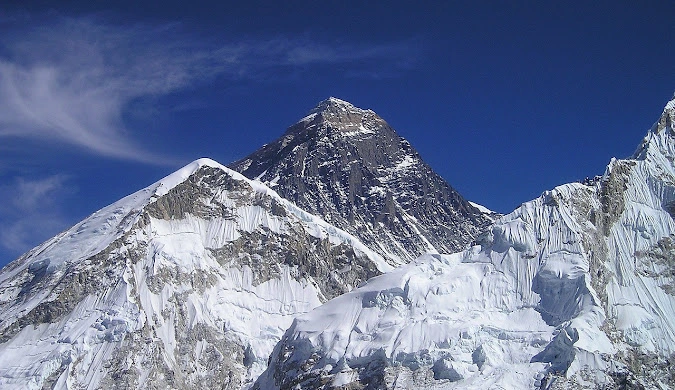
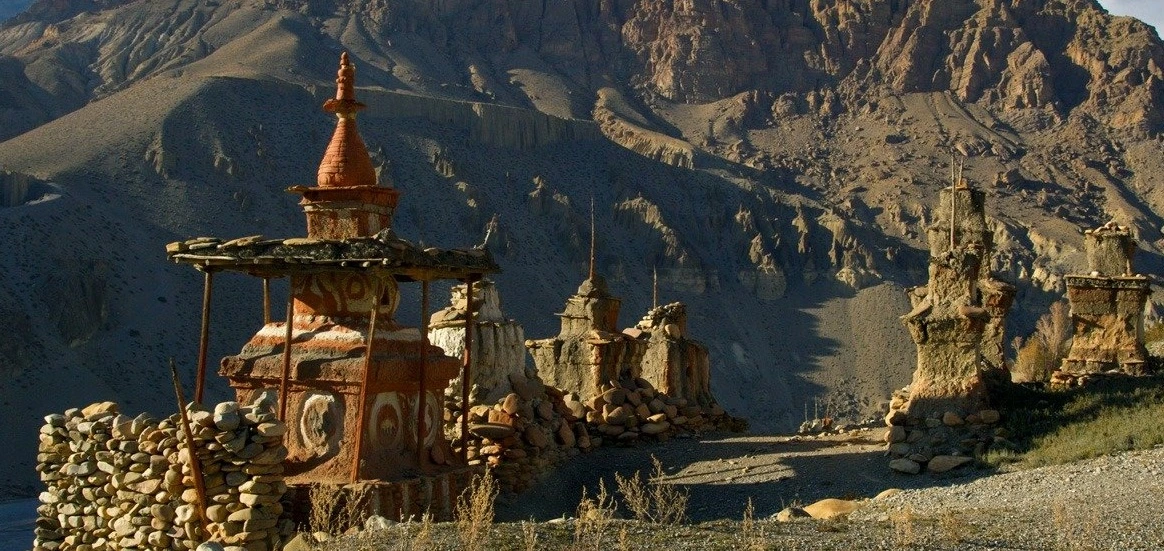
Where Is Mount Everest? Country, Region, and Fun Facts

Where Is Mount Everest Located in the World?

Many people around the world ask a simple question: where is Mount Everest. Mount Everest is located in Asia, the largest continent on Earth. It sits high in the Himalayan mountain range, which stretches across several Asian countries. This region is known for its tall mountains, cold weather, and beautiful natural views.

To understand where is Mount Everest, it is important to know that the mountain lies between two countries. One side of Mount Everest is in Nepal, and the other side is in Tibet, which is an autonomous region of China. The summit of Everest is right on the border line between Nepal and China. This makes Mount Everest a shared natural landmark for both countries.

The Himalayan mountain range is home to many of the world’s highest peaks. Mount Everest stands in the eastern part of the Himalayas, in an area called the Mahalangur Himal. When people learn where is Mount Everest, they also learn that it is surrounded by other famous mountains like Lhotse, Nuptse, and Makalu. These mountains form a rugged and snowy landscape that attracts trekkers and climbers from all over the world.

From a global map view, Mount Everest is located in South Asia. Nepal lies between India and China, and Everest rises in the northern part of Nepal, close to the Chinese border. The nearest major city in Nepal is Kathmandu, the capital city. Most travelers fly into Kathmandu before heading toward the Everest region. Knowing where is Mount Everest helps travelers understand why Nepal is such a popular destination for trekking and mountain adventures.

On the Nepal side, Mount Everest is part of Sagarmatha National Park, a protected area known for its mountains, glaciers, and wildlife. On the Tibet side, the mountain lies within the Qomolangma Nature Preserve. Both sides protect the natural environment and the culture of the local people who live in the high mountains. When people ask where is Mount Everest, they often also want to know about the people living nearby, such as the Sherpa communities of Nepal.

The location of Mount Everest also affects the weather and travel seasons. Because it is in Asia and part of the Himalayas, the region experiences cold winters and a summer monsoon. Trekkers and climbers choose certain months of the year to visit, based on clear skies and safer conditions. Understanding where is Mount Everest helps visitors plan their journey better and respect the natural challenges of the region.

Mount Everest’s location between Nepal and Tibet has made it an important place for culture, adventure, and history. For centuries, local people have respected the mountain as sacred. Today, it continues to draw people who want to learn about the Himalayas, enjoy trekking routes, and experience life in the world’s highest mountain region.

Which Country Is Mount Everest In?

Many travelers and students often ask which country Mount Everest is in. To answer this clearly, Mount Everest is not in just one country. The peak of Mount Everest lies on the border of Nepal and China. The southern side of the mountain is in Nepal, and the northern side is in Tibet, which is an autonomous region of China. Because of this, both countries share Mount Everest and protect it in their own ways.

When people ask where is Mount Everest, they are usually trying to understand which country they should visit to see it. From Nepal’s side, Mount Everest is known as Sagarmatha, while in Tibet it is called Qomolangma. Both names are deeply respected by local people and reflect the cultural importance of the mountain in each region.

Travelers can visit Mount Everest from two main routes. One route starts from Nepal, and the other starts from Tibet. The Nepal route is more popular, especially among trekkers. When people learn where is Mount Everest, they also learn that Nepal offers easier access for walking trails, villages, and teahouse trekking experiences.

On the Nepal side, visitors usually begin their journey by flying to Lukla, a small mountain airport. From there, trekkers walk through famous Sherpa villages such as Namche Bazaar, Tengboche, and Dingboche. This route leads to Everest Base Camp, which sits below the mountain and gives clear views of the surrounding peaks. For many trekkers, this is the best way to understand where is Mount Everest while enjoying the local culture and mountain scenery.

The Tibet side of Mount Everest is reached by road from Lhasa. This route is often used by climbers and travelers who prefer driving closer to the mountain. Visitors can reach the North Base Camp by vehicle, which makes it different from the trekking experience in Nepal. Even though access is possible, travel rules in Tibet are stricter, and special permits and guided tours are required. Because of this, fewer trekkers choose this side when planning a trip to see where is Mount Everest.

Most trekkers choose Nepal because it offers a more natural and cultural journey. The trail passes through forests, rivers, monasteries, and high mountain valleys. Along the way, trekkers meet local Sherpa people, learn about their traditions, and stay in simple mountain lodges. This slow and scenic approach helps travelers truly feel where is Mount Everest and how life exists in the high Himalayas.

Both Nepal and China play an important role in protecting Mount Everest. National parks and nature reserves help manage tourism and protect the fragile mountain environment. Knowing which country Mount Everest is in helps travelers choose the right route, understand permit rules, and prepare for their journey in the world’s highest mountain region.

Mount Everest Location on the Map

When people look at a world map and try to understand where is Mount Everest, it helps to focus on a few well-known places nearby. Mount Everest is located in South Asia, a region that includes countries like Nepal, India, Bhutan, and China. On the map, Everest sits in the northern part of Nepal, very close to the border with Tibet, which is part of China.

To find Mount Everest on a map, first look for Nepal. Nepal is a small country between India and China. It may look narrow on the map, but it holds some of the highest mountains on Earth. Once you find Nepal, look toward the northern side of the country. This is where the Himalayan mountains rise sharply from the land. Understanding where is Mount Everest becomes easier when you see how close it is to the Chinese border.

Next, look for the Himalayan mountain range. The Himalayas stretch across South Asia, forming a long curved line on the map. This mountain range passes through several countries, but the tallest peaks are in Nepal and Tibet. Mount Everest is part of the eastern Himalayas, in an area called the Mahalangur Himal. On most maps, this area is marked with mountain symbols or shaded relief showing high elevation.

Kathmandu is another important place to notice on the map. Kathmandu is the capital city of Nepal and the main starting point for Everest travel. It is located in central Nepal, south of Mount Everest. When travelers ask where is Mount Everest, they often measure its location from Kathmandu. From the capital, Mount Everest lies about 130 kilometers to the northeast in a straight line, though the trekking route is much longer due to mountain paths.

On trekking maps, Mount Everest is usually shown near famous places like Lukla, Namche Bazaar, and Everest Base Camp. These locations help trekkers understand the walking route toward the mountain. Seeing these points on a map helps travelers clearly see where is Mount Everest and how far it is from villages and airstrips.

On a world map, Mount Everest may appear as a tiny point, but its position is important. It lies at the heart of the Himalayas, where the Indian and Eurasian tectonic plates meet. This natural movement created the high mountains seen today. Knowing where is Mount Everest on the map also helps explain why the region has steep landscapes, glaciers, and deep valleys.

Why Is Mount Everest So Famous?

Mount Everest is famous all over the world for many simple reasons. The main reason is that it is the highest mountain on Earth. When people learn where is Mount Everest, they also learn that no other mountain reaches the same height. This alone makes Everest special and important to people from many countries.

Mount Everest rises high in the Himalayan mountains, far above the clouds. Its great height makes it stand out on maps, in books, and in stories. For many people, knowing where is Mount Everest also means knowing where the top of the world is. This idea has made the mountain famous for many years.

Another reason Mount Everest is so famous is because of climbers. Climbers come from all over the world to try to reach the summit. Climbing Everest is very hard and takes strong training, good planning, and experience. Many climbers train for years before they attempt it. Stories of success and failure on Everest are shared around the world, which helps more people learn where is Mount Everest and why it is respected.

Trekkers also play a big role in making Everest famous. Not everyone wants to climb to the top, but many people dream of walking in the Everest region. The Everest Base Camp trek is one of the most popular trekking routes in Nepal. Trekkers walk through mountain villages, forests, and high valleys to reach a place where they can see Everest from close range. During this journey, trekkers slowly understand where is Mount Everest and how it sits among other giant peaks.

Mount Everest is also famous because of the local culture around it. The Sherpa people who live in the Everest region are known for their mountain skills and warm hospitality. They see Everest as a sacred mountain and call it Sagarmatha. Learning about their way of life helps visitors connect more deeply with the place and understand where is Mount Everest beyond just its height.

Many people who may never travel to Nepal still dream of seeing Mount Everest at least once in their life. Some watch documentaries, read books, or follow climbers online. Schools teach children about the mountain when they study geography. This helps young students learn where is Mount Everest and why it is important to the world.

Mount Everest is also famous because it represents human dreams and challenges. People see it as a symbol of adventure, courage, and respect for nature. Even standing near the mountain can feel special for travelers. Seeing Everest with your own eyes helps people understand why so many others talk about it and why learning where is Mount Everest becomes the start of a bigger journey into the Himalayas.

How High Is Mount Everest?

Mount Everest is known around the world because of its great height. When people ask where is mount everest, they also want to know how high it really is. Mount Everest is the tallest mountain on Earth. Its height is 8,848.86 meters, which is also 29,031.7 feet above sea level. This height was officially measured by Nepal and China together, using modern technology.

To understand this height in simple words, Mount Everest is taller than all other mountains on the planet. No other peak reaches the same level. When students learn where is mount everest, they often remember it as the highest point on Earth, touching the sky and rising far above the clouds.

It can be hard to imagine how high 8,848 meters really is. One easy way to understand is by comparing it to buildings. The tallest building in the world, the Burj Khalifa in Dubai, is about 828 meters tall. Mount Everest is more than ten times taller than that building. This comparison helps people clearly picture the height when they learn where is mount everest and why it is so special.

Another simple way to compare Everest’s height is with airplanes. Many airplanes fly at around 10,000 meters above sea level. Mount Everest’s summit comes very close to this flying height. This means the top of the mountain reaches into the same space where planes travel. Thinking about this helps people understand where is mount everest in relation to the sky and why climbing it is so difficult.

The great height of Mount Everest also affects the weather and air. As climbers go higher, the air becomes thinner and colder. There is less oxygen to breathe near the top. This is why climbers need special training and equipment. Even trekkers who stay much lower can feel the effects of altitude. Knowing where is mount everest and how high it stands helps travelers prepare their bodies and minds for the region.

The height of Mount Everest also changes very slowly over time. The Himalayan mountains were formed when large land plates pushed against each other. This movement still continues today. Because of this, Everest grows a tiny amount each year. Earthquakes can also affect its height. This natural process makes people even more curious about where is mount everest and how nature shapes the highest places on Earth.

For trekkers visiting the Everest region, understanding the mountain’s height adds meaning to the journey. Even from viewpoints and base camp areas, people can feel how massive Everest is compared to everything around it. Seeing such a tall mountain in real life helps travelers understand why Mount Everest has always been seen as a symbol of greatness and why learning where is mount everest is often the first step toward exploring the Himalayas.

Can Normal People Visit Mount Everest?

Many people think that only expert climbers can go to Mount Everest. This is not true. Normal people can visit the Everest region without climbing the mountain. When travelers ask where is mount everest, they often want to know if they can see it safely. The good news is that thousands of regular travelers visit the Everest area every year through trekking.

You do not need to climb to the top of Everest to enjoy the experience. The most popular way for normal travelers is the Everest Base Camp trek. This trek takes people close to Mount Everest while staying on safe walking trails. Trekkers walk through mountain paths, forests, rivers, and high valleys. Along the way, they learn where is mount everest by seeing it from different viewpoints and nearby peaks.

The journey usually starts with a flight from Kathmandu to Lukla, a small mountain town. From Lukla, the trail passes through famous villages like Phakding, Namche Bazaar, Tengboche, and Dingboche. These villages are home to the Sherpa people, who have lived in the mountains for many generations. Staying in these villages helps travelers understand local life and culture while learning where is mount everest in a real and meaningful way.

Everest Base Camp itself is not on the summit. It is a resting and preparation place for climbers. Normal trekkers can reach this place by walking over several days. From base camp and nearby viewpoints like Kala Patthar, trekkers can see Mount Everest clearly on good weather days. This is often the moment when travelers truly feel where is mount everest and how large it is compared to everything around.

The trek is designed for people with average fitness. You do not need climbing skills or special technical gear. What you need is time, patience, and the ability to walk for several hours each day. Rest days are included to help the body adjust to altitude. Guides and porters support trekkers, making the journey safer and more comfortable. Knowing where is mount everest also means understanding that altitude matters, even if you are not climbing the peak.

The Everest region offers more than just mountain views. Trekkers see monasteries, prayer flags, stone walls, and yaks carrying goods along the trails. These simple sights make the journey special for normal travelers. Many people say that walking through the Everest region is just as meaningful as reaching base camp because it shows daily life in the high Himalayas and helps explain where is mount everest in a cultural sense.

Travel permits and park entry passes are required, but trekking agencies in Nepal help arrange everything. With good planning, proper clothing, and a steady walking pace, normal people can enjoy the Everest region safely. Visiting Everest does not have to be extreme. For many travelers, it is about walking slowly, meeting local people, and seeing the world’s highest mountain from a place that feels peaceful and welcoming.

Conclusion

Mount Everest is more than just the highest mountain in the world. It is a place that brings together nature, culture, adventure, and human dreams. By learning where is Mount Everest, people understand that it lies in Asia, on the border of Nepal and China, inside the mighty Himalayan mountain range. Its location, height, and surroundings make it one of the most special places on Earth.

Mount Everest is famous not only because of its great height, but also because it is reachable in different ways. Climbers aim for the summit, while trekkers and normal travelers walk through beautiful villages and trails to see it from nearby viewpoints. This makes Everest a mountain for everyone, not just experts. Understanding where is Mount Everest also helps travelers plan better, respect the environment, and prepare for altitude and weather.

The Everest region shows how people and mountains live together. Sherpa culture, monasteries, prayer flags, and simple mountain life add deep meaning to the journey. Whether someone dreams of trekking to base camp, seeing Everest from a distance, or simply learning about it, Mount Everest continues to inspire people across the world through its location, size, and powerful presence in the Himalayas.

If you are wondering where is Mount Everest and want to experience it up close, the Everest Base Camp trek is the perfect adventure. With Best Trek Adventure, you can enjoy a safe and memorable journey guided by qualified guides who know the mountains well. Walk through beautiful Sherpa villages, high valleys, and forests while seeing Everest from amazing viewpoints. Our friendly team supports you every step of the way, making the trek comfortable and enjoyable for normal travelers. Whether it is your first trek or a mountain dream, this journey brings you closer to the world’s highest peak.

Upper Mustang Trekking Explained – What to Expect on This Hidden Himalayan Trail

Where Upper Mustang Is and Why This Trek Is Unique

Upper Mustang is a remote trekking region in the north of Nepal, close to the border of Tibet. This area lies beyond the high mountains of the Annapurna range and sits in a dry, windy valley. Upper Mustang Trekking takes travelers into a land that feels very different from the rest of Nepal. The landscape is open and wide, with deep gorges, colorful cliffs, and long river valleys. Because of its location, this region receives very little rain and has a strong connection with Tibetan culture.

Geographically, Upper Mustang is part of the trans-Himalayan zone. The Kali Gandaki River flows through the region, cutting one of the deepest valleys in the world between Dhaulagiri and Annapurna. Villages are small and spread out, often built with stone and mud in traditional styles. The trail passes through high desert land rather than green forests. This dry setting makes the area look more like Tibet than central Nepal. Many trekkers are surprised to see how different the land feels after just a few days of walking.

Upper Mustang is often called the Forbidden Kingdom. This name comes from its long history of isolation. For many years, outsiders were not allowed to enter the area. The region was once an independent kingdom with its own king, and the local people lived with very little outside influence. When Nepal opened this area to foreign visitors in the early 1990s, strict rules were put in place. Even today, Upper Mustang Trekking requires special permits and controlled entry to protect the culture and traditions that still remain strong.

Because access was limited for so long, the culture of Upper Mustang is well preserved. The people follow Tibetan Buddhism, and the villages are filled with monasteries, prayer wheels, chortens, and mani walls. The local language, dress, and daily life are closely linked to Tibetan customs. Farming and animal herding are still important for survival in this harsh land. Visitors can see ancient cave dwellings carved into cliffs, some believed to be hundreds of years old. These cultural features are a big reason why this region feels special.

When compared to popular trekking regions like Everest or Annapurna, the experience is very different. In Everest, trails are busy and villages are full of lodges and shops. Annapurna offers green hills, forests, and changing scenery. Upper Mustang Trekking instead offers quiet trails, wide open views, and fewer trekkers on the path. The focus is not only on mountains but also on history, culture, and the feeling of walking through a hidden land.

Another key difference is the overall atmosphere of the trek. The walking days are steady, with long distances and gentle climbs rather than steep stone steps. The air feels dry, and wind is common in the afternoons. Because of fewer visitors, the journey feels calm and personal. Upper Mustang Trekking also stands out because it allows travel even during the monsoon season, as the region lies in a rain shadow area.

This combination of remote location, protected history, and unique landscape makes Upper Mustang Trek unlike any other trekking experience in Nepal.

Landscape, Trail Conditions, and Daily Walking Experience

The landscape of Upper Mustang feels very different from most trekking areas in Nepal. This region lies in a dry rain shadow, so green forests and heavy snowfall are rare. Instead, Upper Mustang Trekking takes you through a high desert where the land looks open, wide, and colorful. The hills are shaped by wind and time, with layers of red, brown, and yellow rock. Tall cliffs rise above the trail, and many of them have small caves carved into the stone. Some of these caves were once used for living, meditation, or storage many years ago.

Wide valleys stretch between the mountains, giving trekkers a strong feeling of space and silence. The land may look empty at first, but it holds deep history and natural beauty. The colors of the cliffs change during the day as sunlight moves across the valley. Early mornings are calm and clear, while afternoons often bring strong winds. These natural elements shape the daily walking experience during Upper Mustang Trekking.

The Kali Gandaki River plays an important role in the landscape. It flows through the heart of Mustang and creates one of the deepest river valleys in the world. In some sections, the river is wide and braided, while in others it cuts sharply through narrow gorges. The trail often follows the river valley or crosses it using bridges. Over many years, wind and water have shaped the land into unique forms, making the terrain look rough yet beautiful.

Trail conditions in Upper Mustang are mostly dry and dusty. The paths are well used by locals, horses, and yaks, but they are not paved with stone steps like in Everest or Annapurna. Most days include gentle climbs and descents rather than steep uphill sections. Walking feels steady and slow, which helps with altitude. Long stretches of open trail are common, and there is little shade along the way. Because of this, sun protection and proper pacing are important parts of Upper Mustang Trekking.

The daily walking hours are usually between five to seven hours, depending on the route and altitude. Trekkers start at lower elevations around Jomsom and Kagbeni and slowly move higher toward Lo Manthang. The highest point on the trek is around 3,800 meters, which is lower than many other famous treks in Nepal. Even so, the dry air and wind can make walking feel tiring, so regular breaks are important. The pace is designed to allow proper rest and adjustment to altitude.

The itinerary flow of Upper Mustang follows the natural valley route. The trek begins with a flight or drive to Jomsom, followed by walking through traditional villages like Kagbeni, Chele, and Charang before reaching Lo Manthang. After exploring the walled city, the return journey follows a different path through places like Dhakmar and Samar. This route allows trekkers to see different landscapes on the way back while keeping the walking balanced. Throughout the journey, Upper Mustang Trekking offers a mix of open valleys, quiet villages, and long peaceful walks that define the daily experience on this hidden Himalayan trail.

Culture, Villages, and Life Along the Mustang Trail

The culture of Upper Mustang is deeply influenced by Tibetan traditions. This region was connected to Tibet for many centuries, and that connection can still be seen in daily life. During Upper Mustang Trekking, travelers notice that the language, clothing, food, and religious practices feel closer to Tibetan culture than to other parts of Nepal. Buddhism plays a strong role in local life, and respect for religion is visible in every village along the trail.

Villages in Upper Mustang are small, quiet, and built using stone and mud. One of the first important villages on the trail is Kagbeni. This village sits near the Kali Gandaki River and acts as a gateway to Upper Mustang. Kagbeni has narrow alleys, flat-roofed houses, and old monasteries that show the area’s history. Life here moves slowly, and people still follow traditional farming methods to grow crops like barley and buckwheat. Kagbeni gives trekkers a first look at what life is like in this remote land.

As the trail continues higher, villages like Charang come into view. Charang is known for its large monastery and long stone walls that protect the settlement from wind. The village is surrounded by fields and sits in a wide valley with open views. During Upper Mustang Trekking, staying in places like Charang allows trekkers to experience simple village life. Locals wake up early, care for animals, work in fields, and gather in the evenings to share meals and stories. These moments help visitors understand how people live in a harsh but peaceful environment.

Lo Manthang is the cultural heart of Upper Mustang. This walled city was once the capital of the old Kingdom of Mustang. Walking into Lo Manthang feels like stepping back in time. The city has narrow streets, whitewashed houses, and ancient monasteries that are still active today. Important festivals and religious ceremonies take place here, drawing people from nearby villages. Upper Mustang Trekking offers trekkers the chance to explore this historic place and learn about the royal past that shaped the region.

Religious symbols are present throughout the trail. Prayer flags are hung across passes and rooftops, carrying prayers with the wind. Mani walls, made from stones carved with sacred words, line the paths. Chortens stand at village entrances and high points, reminding travelers to walk with respect. Trekkers are expected to pass these structures on the correct side and avoid touching sacred items without permission. These simple acts show respect for local beliefs.

Daily life in Upper Mustang is shaped by the land and weather. People depend on farming, animal herding, and trade for survival. Electricity and modern facilities are limited, so life remains simple. During Upper Mustang Trekking, visitors often stay in family-run teahouses where meals are cooked using local ingredients. Sharing food and space with locals helps build understanding and respect. By observing customs, dressing modestly, and asking before taking photos, trekkers become part of the trail experience rather than just visitors.

Permits, Best Time to Trek, and Practical Rules

Upper Mustang is a protected region of Nepal, so special rules are in place to control tourism and protect local culture. Anyone planning Upper Mustang Trekking must obtain a Restricted Area Permit. This permit is issued by the government and allows entry beyond Kagbeni into Upper Mustang. Independent trekking is not allowed in this region, and all trekkers must travel through a registered trekking agency. A licensed guide is also required at all times while on the trail. These rules help manage visitor flow and preserve the traditional way of life.

Another important rule is the minimum two trekkers requirement. Solo trekking is not permitted in Upper Mustang. At least two trekkers must apply together for the permit, along with a guide. This rule improves safety and makes it easier to manage travelers in this remote area. For Upper Mustang Trekking, this also means planning in advance, as permits are checked at several points along the trail.

Choosing the right time to trek is important for comfort and safety. The best seasons for Upper Mustang trekking are spring and monsoon. Spring months from March to May offer clear skies, stable weather, and comfortable daytime temperatures. The landscape looks bright, and cultural festivals often take place during this time. Another special feature of Upper Mustang Trekking is that it is one of the few treks in Nepal suitable during the monsoon season. From June to August, most trekking regions receive heavy rain, but Upper Mustang lies in a rain shadow area. This means rainfall is very low, making trails dry and walkable.

Weather conditions in Upper Mustang are shaped by altitude and wind. Days are usually sunny, but mornings and evenings can be cold, especially at higher villages like Charang and Lo Manthang. Strong winds often rise in the afternoon, especially in open valleys and near the Kali Gandaki River. Because of this, trekkers usually start walking early in the day and reach their destination before the wind becomes strong. During Upper Mustang Trekking, proper clothing for wind and sun is more important than rain gear.

Autumn is also possible for trekking, especially from September to early November. The weather is dry, and views are clear, but nights can become colder. Winter trekking is less common due to freezing temperatures and limited accommodation services. Understanding seasonal conditions helps trekkers choose the best time for their journey.

Practical trekking rules go beyond permits and weather. Trekkers are expected to respect local customs and traditions. Walking clockwise around chortens and mani walls is a common practice. Shoes should be removed before entering monasteries and homes. Photography should only be done after asking for permission, especially inside religious buildings. Loud behavior and public display of alcohol are discouraged.

During Upper Mustang Trekking, travelers should also follow simple environmental rules. Carrying back plastic waste, using refillable water bottles, and respecting limited resources are important. The region has few medical facilities, so having travel insurance and basic first aid knowledge is necessary. By following permits, choosing the right season, and respecting local rules, trekkers can enjoy a smooth and meaningful experience on this unique Himalayan trail.

Difficulty Level, Accommodation, and Things to Know Before You Go

The difficulty level of Upper Mustang is considered moderate. This means the trek is not very hard, but it still needs preparation and patience. Upper Mustang Trekking does not involve steep mountain climbs or technical trails, but the daily walking hours can be long. Most days include five to seven hours of walking on dry and dusty paths. The trail has gentle ups and downs rather than sharp climbs, which makes the walking steady but tiring for some people.

Good fitness is helpful for this trek, but you do not need to be an athlete. Regular walking, light hiking, or simple exercises before the trek can make the journey more comfortable. Altitude awareness is important during Upper Mustang Trekking, even though the highest point is around 3,800 meters. The air becomes thinner as you walk higher, and some trekkers may feel shortness of breath or tiredness. Walking slowly, drinking enough water, and taking rest breaks help the body adjust naturally.

Accommodation along the Mustang trail is simple and basic. Trekkers stay in local teahouses run by families from the villages. Rooms usually have two single beds, a small table, and blankets. Heating is limited, especially at higher places, so warm sleeping bags are useful. During Upper Mustang Trekking, teahouses provide a warm place to rest after a long day, but comfort levels are much simpler than in popular regions like Everest or Annapurna.

Food is also basic but filling. Most teahouses serve dal bhat, noodles, soup, rice, and simple vegetables. Tibetan bread, tsampa, and tea are common in many villages. Meat options are limited due to transportation challenges. Meals are cooked fresh, but choices may reduce as you go higher. Eating warm food helps maintain energy and keeps the body warm in the cold and windy weather.

Packing the right items makes a big difference on this trek. Windproof jackets are very important, as strong winds are common in the afternoons. Warm layers are needed for cold mornings and evenings, especially in villages like Charang and Lo Manthang. Sun protection is also necessary during Upper Mustang Trekking because the open landscape has little shade. A hat, sunglasses, and sunscreen help protect from strong sunlight. Comfortable trekking shoes and dust protection, such as a scarf or buff, are also useful.

Internet and phone networks are limited in Upper Mustang. Some villages have mobile signal, but it can be weak or unreliable. A few teahouses offer Wi-Fi, usually for an extra cost, but connections are slow. Charging electronic devices is possible in most places, often for a small fee. Power cuts are common, so carrying a power bank is helpful.

There are no ATMs beyond Jomsom, so trekkers must carry enough cash for the entire journey. Travel insurance is strongly recommended for Upper Mustang Trekking. Insurance should cover high-altitude trekking and emergency evacuation. Medical facilities are very limited, so being prepared with basic medicines and safety coverage is important while traveling in this remote region.

Conclusion

Upper Mustang Trekking is one of the most special journeys in Nepal. It is not just about walking through mountains, but also about seeing a land that feels very different from other trekking regions. The dry valleys, red cliffs, and wide open spaces give a feeling of freedom and calm. Along the way, you meet small villages, friendly locals, and a culture that has been protected for hundreds of years. The monasteries, prayer flags, and mani walls make the trek feel peaceful and meaningful.

The trail is moderate in difficulty, so it is possible for many people who are ready to walk long hours each day and follow a steady pace. Staying in teahouses gives a simple but comfortable experience, and sharing meals with local families helps understand their life and traditions. Planning for the right season, carrying the right clothes, and respecting local rules makes the trek safe and enjoyable.

This journey is also about discovering yourself. Walking in quiet valleys, watching the sunrise over cliffs, and seeing the history preserved in villages can leave a lasting memory. Upper Mustang Trekking is a mix of adventure, culture, and nature. It is a unique chance to explore one of the hidden treasures of the Himalayas in Nepal.

Three Passes Trek for Adventure Lovers in Nepal

What Is the Three Passes Trek and Where Is It Located

The Three Passes Trek is one of the most challenging and rewarding trekking routes in Nepal. It is a high mountain trek located in the Everest region, also known as the Khumbu region. This area lies in the northeastern part of Nepal and is home to some of the world’s tallest mountains, including Mount Everest. The trek takes travelers deep into the heart of the Himalayas, where the land is wild, quiet, and full of natural beauty.

This trek is called the Three Passes Trek because it crosses three high mountain passes. These passes are Kongma La Pass, Cho La Pass, and Renjo La Pass. Each pass is over 5,000 meters high, which makes the journey physically demanding. Trekkers walk over rocky trails, glaciers, and snowy paths while moving from one valley to another. Crossing these passes gives a strong feeling of achievement, especially for people who enjoy difficult and adventurous treks.

The route of the Three Passes Trek starts and ends in the Everest region, usually after flying to Lukla. From there, trekkers walk through famous Sherpa villages like Namche Bazaar, Dingboche, and Gokyo. Along the way, the trail passes high mountain lakes, wide valleys, and quiet villages that are less crowded than the main Everest Base Camp route. This makes the trek more peaceful and closer to nature.

What makes this trek special for adventure lovers is the combination of high altitude, long walking days, and changing landscapes. One day you may walk beside glaciers, and the next day you may climb a steep pass with snow under your feet. The Three Passes Trek also offers wide mountain views, including Everest, Lhotse, Makalu, and Cho Oyu. These views come as a reward after hard walking and careful effort.

The Three Passes Trek is not just about reaching one destination. It is about crossing remote areas and understanding life in the high Himalayas. The trail connects different valleys and gives trekkers a full experience of the Everest region. For people who love adventure, strong walking challenges, and real mountain life, this trek offers a deep and meaningful journey through one of Nepal’s most beautiful trekking areas.

Why the Three Passes Trek Is Perfect for Adventure Lovers

The Three Passes Trek is a top choice for people who truly love adventure and want more than a normal mountain walk. This trek is not easy, and that is exactly why many trekkers choose it. It takes you over high mountain passes, through remote valleys, and across trails that test both the body and the mind. For adventure lovers, these challenges are part of the joy.

One of the main reasons this trek feels adventurous is the height of the mountain passes. Each pass rises above 5,000 meters, where the air is thin and walking becomes harder. Trekkers must move slowly and carefully, especially while climbing steep sections. Reaching the top of a high pass after hours of effort gives a strong feeling of achievement that easier treks cannot offer.

Long walking days are another reason why the Three Passes Trek attracts adventure seekers. On many days, trekkers walk for six to eight hours or even more. The trail often goes up and down, crossing rocky paths, glaciers, and narrow mountain routes. These long days demand good fitness and patience, which makes the journey feel real and rewarding for those who enjoy pushing their limits.

Snow-covered trails add another layer of adventure to the trek. Depending on the season, trekkers may walk on snow while crossing the high passes. Using careful steps and sometimes simple safety equipment becomes part of the experience. Walking through snow with tall mountains all around creates a strong mountain feeling that adventure lovers look for.

Quiet and less crowded paths also make this trek special. Unlike popular routes, the Three Passes Trek takes trekkers away from busy trails and into peaceful areas. Many parts of the route feel remote, with only a few trekkers passing by each day. This silence helps people feel more connected to nature and the mountains, which adds to the adventure.

The Three Passes Trek also requires planning and self-discipline. Trekkers must manage their energy, adjust to high altitude, and stay focused on each day’s walk. Weather changes, cold mornings, and simple mountain lodges make the journey more real and less comfortable than easy treks. For adventure lovers, these conditions make the experience richer and more memorable.

Compared to easier treks with short days and gentle paths, the Three Passes Trek offers a full mountain challenge. It combines physical effort, mental strength, and natural beauty into one long journey. This is why people who love true adventure often choose this trek when they want to experience the Himalayas in a deeper and more demanding way.

Three High Passes You Cross During the Trek

The Three Passes Trek is named after the three high mountain passes that trekkers cross during the journey. Each pass is over 5,000 meters high and offers a different walking experience and mountain view. Crossing these passes is both challenging and rewarding, making the trek special for people who enjoy real mountain adventure.

The first pass many trekkers cross is Kongma La Pass. This pass is one of the highest on the route, standing above 5,500 meters. The trail to the top feels steep and rocky, with loose stones underfoot. Walking here requires slow steps and steady breathing. From the top of Kongma La Pass, trekkers can see wide views of glaciers, sharp peaks, and deep valleys. The open landscape makes you feel small in front of the mountains, which is a strong and memorable feeling.

Cho La Pass is another important part of the Three Passes Trek. This pass is known for its icy and snowy trail, especially in colder months. The path includes rocky climbs and a short section of glacier crossing. Walking over this pass feels adventurous because the surface can be slippery, and careful movement is needed. From the top, trekkers enjoy views of nearby peaks and the beautiful turquoise lakes of the Gokyo valley below. The mix of snow, ice, and mountain views makes this pass very exciting.

The third pass is Renjo La Pass, which is slightly lower than the other two but still above 5,300 meters. The trail to Renjo La is quieter and feels more peaceful. The climb is steady, and the path is often covered with stones and sometimes snow. From the top of Renjo La Pass, trekkers get one of the best views on the Three Passes Trek. The Gokyo lakes shine below, and mountains like Everest, Lhotse, and Makalu can be seen on clear days.

Each pass on the Three Passes Trek has its own character and challenge. The trails test strength and patience, while the views reward every step taken uphill. Walking over these high passes is not just about reaching the top but about experiencing the wild beauty of the Everest region in a deep and personal way.

Daily Life on the Three Passes Trek

Daily life on the Three Passes Trek follows a simple and steady routine that helps trekkers adjust to the mountains. Each day starts early, usually around sunrise. Mornings in the Himalayas are cold and quiet, with clear skies and fresh air. Trekkers wake up in tea houses, pack their bags, and prepare for the day’s walk. Breakfast is warm and filling, often including porridge, eggs, bread, or Tibetan-style bread with tea.

After breakfast, the walking day begins. On the Three Passes Trek, most days include five to eight hours of walking, depending on the route and altitude. The trail may go uphill, downhill, or across open valleys. Walking is slow and steady, with short breaks to rest, drink water, and enjoy the mountain views. Trekkers learn to listen to their bodies and keep a comfortable pace, especially at higher elevations.

Lunch is usually taken at a small tea house along the trail or in a village. Meals are simple but filling, such as rice, lentils, noodles, soup, or potatoes. Hot drinks like tea and coffee help keep the body warm. These meal stops are also a good time to relax, chat with fellow trekkers, and regain energy before continuing the walk.

By late afternoon, trekkers reach the next village or resting place. Tea houses are basic but comfortable, offering a bed, blanket, and warm meals. After checking in, many trekkers rest in the dining area, drink tea, or enjoy the views outside. On the Three Passes Trek, evenings are quiet, as the body feels tired after a long day. Dinner is usually eaten early, and it is often similar to lunch but served hot and fresh.

Resting in villages is an important part of daily life on the Three Passes Trek. These villages give trekkers a chance to recover and adjust to the altitude. Nights are cold, and electricity and hot water may be limited. Trekkers often go to bed early, wrapped in warm clothes, ready for another early start. This daily routine of walking, eating, and resting helps trekkers stay healthy and prepared for the challenges of the high mountain passes ahead.

Who Should Do the Three Passes Trek

The Three Passes Trek is best suited for trekkers who are looking for a serious mountain challenge. This trek is not a short or easy walk. It demands good physical fitness, steady walking ability, and the willingness to face long and tiring days in high altitude areas. People who enjoy pushing themselves and exploring remote mountain regions often find this trek very rewarding.

Trekkers with previous trekking experience are more suitable for the Three Passes Trek. Those who have already completed high altitude treks, such as Everest Base Camp trek or other multi-day Himalayan routes, will feel more confident on this trail. Experience helps trekkers understand how their body reacts to altitude, cold weather, and long walking hours. Knowing how to manage pace, breathing, and rest makes a big difference on this trek.

Good fitness is important for this journey. Trekkers should be comfortable walking for six to eight hours a day while carrying a small backpack. The trail often includes steep climbs, rocky paths, and uneven ground. Strong legs, good balance, and overall stamina help trekkers move safely and enjoy the experience. The Three Passes Trek also requires walking at high altitude, where even simple movement can feel harder.

Mental strength is just as important as physical fitness. Weather can change quickly, mornings can be cold, and some days may feel long and tiring. Trekkers need patience and a positive mindset to handle these conditions. Staying calm while crossing high passes and dealing with basic living conditions is part of the experience. The Three Passes Trek is ideal for people who enjoy challenges and can stay focused even when the trek becomes difficult.

Beginners can still do this trek, but they need more preparation. Training before the trip, learning about altitude sickness, and building endurance through regular walking or hiking are very important. People who prefer comfort, short walking days, or easy trails may find this trek too demanding. This trek suits those who are ready to prepare well and commit to a tough but meaningful mountain journey.

Your Complete Guide to Everest Base Camp Trek -2025

Are you in a dilemma about whether to hit on the trail to the Everest Base Camp Trek? Well, you have come to the right place. This guide gives you every detail you need to know about Everest Base Camp Trek.

The vistas of the Himalayas at every section of the trek are sure to bind you with their immense beauty. The rich Sherpa culture, ancient monasteries, and charming mountain villages are cherry on the top. Experiencing the adventure while walking through forests, suspension bridges, glacial moraines, and rugged mountain trails is what defines the true journey of this trek.

With that in mind, let’s get started with the complete guide to the Everest Base Camp Trek right away.

What to look forward to at Everest Base Camp Trek?

Everest Base Camp Trek is among the world’s most well-liked adventure trek destinations. The tallest peak in the world, Mount Everest, is situated in the Mahalangur Himal sub-range of the Himalayas.

At an incredible 8848 meters, Mount Everest possesses a certain appeal that draws trekkers to admire its stunning snowy faces. Tenzing Norgay, Sir Edmund Hillary, and several other early pioneers are retraced in the iconic adventure.

You will stay in some of the world’s highest households on a teahouse travel, where you will learn about the customs and culture of the indigenous Sherpas. Kalapatthar is famed for the breathtaking panoramic vistas of the world’s tallest mountains. You have the opportunity to enjoy the 360-degree panorama views from this vantage point during the EBC trek.

Another significant aspect of the Everest base camp trip is the three big high passes of the mountain. You can enter the highest Mt. Everest base camp in the world by crossing three high passes in the Everest region: Kongma La, Cho La, and Renjo La.

Tengboche is a hamlet place for intimate views of the world’s gorgeous and tallest mountains like Mt Ama Dablam. In the Khumbu area, Tengboche is renowned for having the largest and oldest monastery.

Another important attraction of the Everest Base Camp journey is Sagarmatha National Park. Along with 118 different kinds of birds, you may also observe other uncommon animals including the Himalayan Tahr, musk deer, weasel, and pika.

You may sample regional specialities and take advantage of the hospitality of the most welcoming locals. Both resting and interacting with the community will be beneficial at these stops.

Another example of a traditional legacy in the Namche Bazar is the Sherpa Culture Museum. The names and identities of several climbers and porters who helped foreigners reach the top are displayed on the walls.

Is this Everest Base Camp Trek the right choice for you?

You should read the following if you have been considering Everest Base Camp Trek but aren’t sure if the EBC Trek is right for you. Travelling to Everest Base Camp Trek is a dream come true for trekkers everywhere.

The Everest Base Camp Trek is not an easy task! You will walk up mountains that have severe drops and inclines at high elevations. Before you set out on this journey, you have to prepare yourself physically.

The cost of a trip like this should still be taken into account before making any reservations, even when there are affordable possibilities. Make sure you are financially prepared by investigating all of the expenses related to such a vacation in order to prevent any financial shocks.

It is thought that between 28 and 30 percent of trekkers fail to reach the base camp, however, exact numbers are unavailable. About 50% of trekkers experience altitude sickness to some degree, making it the main cause of trekkers turning back.

Completion may also be hampered by obstacles relating to personal problems, weather, or fitness. The route goes across around seven contemporary suspension bridges, including two that feature mesh sides.

The Everest base camp trek requires mental endurance just as much as physical endurance. The biggest threat to your emotional well-being when trekking is altitude sickness.

Food During Everest Base Camp Trek

Due to the significant altitude increase, your body will need adequate protein and carbs. Most teahouses have a pretty similar menu. You may indulge your appetite with both local and foreign cuisine at these lovely rest areas.

Breakfast

In order to keep trekkers full until they arrive at the next tea house for lunch, the majority of the recommended foods include porridge or muesli, potatoes, toast, tea, coffee, and so on. These meals help your body retain protein and glucose while providing you with energy for longer.

Dinners

You should sample Nepali food, such as Dal Bhat Tarkari, when trekking to Everest Base Camp Trek in Nepal. These include rice, potatoes, lentils, veggies, noodles, and soup. One of the best things about ordering Dal Bhat is that you can request extra.

Pasta, noodles, pancakes, pizza, burgers, and omelets are also served at the majority of teahouses along the hike to Mount Everest Base Camp. The menu features a variety of dishes, including momo (dumplings), locally farmed barley, buckwheat, millet and corn roti (bread), noodles, sandwiches, baked goods, tea, coffee and more.

You might not know what Sherpa Stew (Syakpa) is. The ingredients for this traditional Sherpa cuisine include homemade noodles, radishes, carrots, spinach, onions, yak or sheep meat, and potatoes. Keep in mind that your lunch and dinner choices are almost the same.

Ginger tea, garlic soup, green tea, lemon tea, hot lemon, and fresh vegetable products are all strongly advised at high elevations.

Accommodation During the Everest Base Camp Trek

There are lodges and tea houses located along the routes leading to Everest Base Camp Trek. You don’t have to stay overnight in tent camps because of this. When starting a trip, the most crucial factor to take into account is lodging.

Your travel may be greatly impacted by a shortage of decent lodging, particularly during the busiest trekking seasons. Along the EBC route, there are now excellent accommodations in addition to teahouses.

In addition to offering hikers a place to stay with minimal services, these teahouses give visitors an opportunity to support the local economy. The teahouse features electric blankets, hot and cold baths, cosy beds with cushions, and other conveniences. You will be able to interact with other hikers in the cosy and welcoming living environment.

Lodges along some parts of the path could provide a few extra conveniences, including private restrooms, above tea houses. Please be aware that because of the difficult terrain and transportation issues, the options for lodging become more basic and scarce at higher elevations.

Teahouses may only have squat toilets at higher elevations, and you could have to take a bath in a tin bucket filled with very cold water or beneath outside taps. For bathing, they could provide a vessel of lukewarm water that has been heated over a wood fire.

It’s important to keep in mind that rooms are usually twin-shared with communal toilets and dormitory-style accommodations.

Permits for Trekking in Everest Base Camp Trek

A UNESCO World Heritage Site, Everest/Sagarmatha National Park is home to Mount Everest and is well-known for its high mountain peaks, glaciers, and Sherpa communities. Special authorization is needed to access the area and start the stunning Everest Base Camp Trek.

To visit the Khumbu Rural Municipality and Sagarmatha National Park, all trekkers must get permits, according to the Nepali government. There are now two different kinds of permits needed to trek to Everest Base Camp Trek.

You will need both a Sagarmatha National Park entry permit and a Khumbu Rural Municipality permit. Let’s examine the details of these two permits for the trek to Everest Base Camp:

Khumbu Pasang Lhamu Rural Municipality Permit:

It is the most recent permission that has been issued in Nepal following the decentralized system. The permission is provided by the local administration and is necessary for all trekkers entering the Khumbu region, including the settlements of Namche Bazaar, Tengboche, and Dingboche.

This permission must be obtained after you arrive in Lukla if you are traveling there by air. Trekkers can get this permission in Monjo when they arrive in the Khumbu area from Jiri or Salleri. This permission is also available from the Kathmandu Tourism Board.

The Khumbu Rural Municipality Permit is available to foreign people, including SAARC citizens, for a four-week charge of NPR 2,000 per person. The permission fee increases to Rs. 2,500 per person after four weeks.

After completing a certain form that is accessible at the counter, they will take your picture and prepare your journey card in a matter of minutes.

Sagarmatha National Park Entry Permit

To begin the Everest Base Camp Trek, the Sagarmatha National Park Entry permission is the first and most crucial permission needed. This is due to Sagarmatha National Park’s inclusion in the base camp of Mount Everest.

This permission is available at the Nepal Tourism Board Office in Kathmandu. This permit is also available at Monjo’s Sagarmatha National Park Entry Gate. You may now pick up the permit at the Lukla permission station or checkpoint.

Sagarmatha National Park requires foreigners to pay NPR 3,000 per person to enter. Nevertheless, the admission charge is NPR 100 for Nepali and NPR 1,500 for SAARC citizens.

Everest Base Camp Trek Difficulty

Although it sounds challenging, the Everest Base Camp Trek journey is not the hardest. The plan for Everest Base Camp Trek is a moderate journey. Anyone can complete the Everest Base Camp trip with the right planning and commitment.

But since the Everest journey involves 12–14 days of strenuous walking through deep, lush forests, steep rural roads, and difficult peaks, it won’t be like having a stroll in the park. From the imposing 130-kilometer distance to the challenging elevation of 5,555 meters at Kalapatthar, trekkers will encounter a number of difficulties.

On this adventure, you have to walk for at least five to six hours per day. With several ups and downs, the terrain is challenging and steep. Trails through dense woods of pine, bamboo, and other vegetation are traversed by trekkers; they can occasionally be slick and require extra care to navigate.

The severe altitude is undoubtedly the most difficult aspect of the Everest Base Camp hike. Every trekking journey in Nepal is seriously hampered by altitude sickness. You will be a little over 5,500 meters above sea level at Kala Pathar, the highest point.

The oxygen level significantly decreases when the height rises by 600–800 meters per day. One of the reasons to be properly informed of altitude sickness is because of this. The Everest area is a difficult place to trek, therefore preparedness is key. Therefore, it makes sense to begin training as soon as feasible before your planned walk.

Best Time for Everest Base Camp Trek

Only during specific seasons of the year is the Everest Base Camp Trek journey recommended. To make the most of your stay in the area, it is crucial to organize your walk with an understanding of the local weather patterns.

The optimum time to trek to Everest Base Camp Trek depends on a number of factors, including the availability of guided tours, the weather, and how crowded the routes are.

Spring

In the entire region, the spring season is arguably the most popular. The weather is moderate and often dry during the months of February, March, April, and May. The attractive vistas of the bright sky and vibrant rhododendrons along the route, in addition to the pleasant weather, are unquestionably advantages.

A magnificent and unobstructed panoramic view of the stunning mountains is possible in the spring. In the spring, thousands of flowers and plants blossom, adding beauty and enjoyment to the Nepalese stroll.

Monsoon

Trekking is typically difficult during the monsoon season. The trails are usually deserted, with only ardent high-altitude enthusiasts bravely enduring the weather. Since the rain causes mud, landslip hazards, hazy views, illnesses, and leeches, it is the least popular time of year for trekking.

The weather may have an impact on flights from Kathmandu to Lukla in addition to your experience in the Everest area.  But keep in mind that the monsoon season is often regarded as off-season, so you may walk more quietly and with fewer interruptions.

Autumn

Another great season to trek at Everest Base Camp Trek is in the autumn, which includes the months of September, October, November, and December. During this popular trekking season, clear days are common.

The weather is not as chilly at night as it is during the winter, nor is it warmer during the day. In addition to offering breathtaking panoramic vistas with fewer clouds and heat haze, this season is popular among hikers.

Temperatures in the autumn can range from 14 to 20 degrees Celsius during the day and as low as -5 to -10 degrees Celsius at night. But given the captivating vistas of the neighboring peaks that you get to see during this season, that’s a reasonable trade-off.

Winter

The coldest time of year in Nepal is winter, which lasts from November through January. For the Everest Base Camp Trek, the winter months are regarded as an off-season. Routes that require traversing large passes, such as the Three Passes Trek, are typically closed because of the shorter days and more snowfall.

You should be ready for frigid temperatures because they might drop significantly. Because it’s less busy, hiking during this season offers genuine adventure experiences. The path has been traversed by several eager hikers even in the winter, therefore it is not completely impossible.

The weather is mostly dry, with mildly chilly days and extremely frigid nights (below -20 C). Winter hiking to the Everest Base Camp is the ideal option for those who like a secluded trekking experience and wish to escape the crowds.

Travel Insurance for Everest Base Camp Trek

Numerous emergency plans are necessary because the entire expedition is heavily reliant on erratic and uncontrolled weather conditions. Although the walk isn’t very risky, there are a number of hazards that should be taken into account. The greatest way to feel confident about your priceless possessions is to insure them.

For the Everest Base Camp Trek, travel insurance covers unforeseen circumstances or mishaps that may happen while trekking. Medical costs, emergency evacuations, and lost or stolen property are all covered by travel insurance, which offers financial security and support in the case of such occurrences.

Packing List for the Everest Base Camp Trek

Packing for the Everest Base Camp Trek is one of the most difficult things you will have to do. Most beginner trekkers are unaware of the kind of equipment they will require for their journey. Overpacking is another typical error made by most climbers and trekkers on every trip.

Clothes and footwear

  • Foundational layers
  • Balaclavas or neck gaiters
  • Waterproof mittens or gloves
  • The middle layers
  • outermost layer
  • Socks
  • Boots for trekking
  • Hat that is warm
  • The gaiters
  • A sports cap or a sunhat
  • Inner gloves
  • Clothing for the home
  • Boots for hiking

Documentation for Travel

  • A passport that is valid for at least six months
  • Two to three copies of your passport
  • Four passport-sized photos
  • Visas are accessible at the airport in Kathmandu.
  • Insurance, medical records, and cancellations of flights and trips
  • Money

How Can You Prevent Altitude Sickness During the Everest Base Camp Trek?

It would always be difficult to get to Everest Base Camp Trek because of the great altitude, which necessitates both mental and physical preparation. It’s best to familiarize oneself with this condition well in advance.

During the trek, it is important to stay away from drugs that cause depression, alcohol, and smoke. Longer stays at higher altitudes will provide you with safer exposure to low oxygen levels.

By encouraging the production of more red blood cells, this additional time during the acclimatization phase enables you to transport more oxygen and safely reach higher heights.

Drinking three to four litters of water a day is essential while you’re in high altitude conditions. Furthermore, eating a well-balanced meal heavy in carbs will assist provide your body with the energy it needs to hike in high-altitude conditions.

It’s critical to listen to your body’s signals and act quickly if you experience any altitude sickness symptoms.

Final Say

As a whole, the trek to Everest Base Camp is an exceptional journey requiring the right preparation mentally and physically. The challenges along the trek are definitely demanding. However, the rewards you get from the astonishing views, rich culture, and adventure are truly worth trekking for.

If you are thinking of experiencing the Everest Base Camp Trek this year, BEST TREK AND ADVENTURE is, without a doubt, your perfect guide. Based in Kathmandu, our travel agency aims to introduce you to the heavenly beauty of Nepal without any hassles.

Discover the Magic of Annapurna Circuit Trek in 2025

You should put the Annapurna Circuit Trek in 2025 on your bucket list if you’re looking for adventure, stunning scenery, and an unforgettable experience. So without further delay, prepare to experience the enchantment of Nepal’s most famous trek by packing your luggage!


There is something for everyone on the Annapurna Circuit Trek, regardless of experience level. This well-known walk is the ideal fusion of breathtaking scenery, cultural diversity, and exhilarating adventure. 


The Annapurna Circuit Trek is still one of the most fascinating treks in the world, even after being opened to tourists in 1949. From subtropical jungles, paddy farms, and the deepest river valley in the world to ice flows, the landscape and culture drastically shift along this path.


Before reaching the Manang area, you will travel via picturesque villages including Dharapani, Chame, and Pisang. You will be able to see the mountain’s majesty and get a close-up look at Buddhist customs.


The climb over Thorang La Pass, one of the world’s highest passes at 5,416 meters, is the trekking highlight of the Annapurna Circuit. Numerous mountains are visible, such as the Tilicho Peak, Dhaulagiri, Manaslu, and Annapurna Massif.

The Annapurna Circuit Trek: Why Choose It?

Everyone can find something to enjoy on the Annapurna Circuit trek, which is more than just a trek. The circuit travels across a variety of landscapes and terrains as it circles a large portion of the Nepal Himalayas.


In addition to its natural splendor, the Annapurna Circuit is rich in history and culture. You will engage with friendly locals, discover their culture, and feel their kindness. Ancient Tibetan Buddhist customs are still practiced in the traditional villages you visit.


With its varied topography, steep ascents, and river valleys, the trail is thrilling and fulfilling. The snow leopard and red panda are among the fascinating variety of creatures that can still be found at higher elevations and in isolated areas like the Tsum Valley. 


Highlights of the Annapurna Circuit Trek


  • An essential destination for both Buddhists and Hindus, Muktinath is the pinnacle of salvation.
  • See the Kali Gandaki River’s steep gorge.
  • Learn about the mountain people that live in the Himalayan region.
  • At 5,410 meters, the Thorong La Pass is both the highest point on this route and Nepal’s highest peak overall. 
  • Captivating vistas of Annapurna I, Manaslu, and Dhaulagiri I.
  • Explore Pokhara, a lake city with lively nightlife and a laid-back vibe.
  • At Tatopani, take a dip in the natural hot springs.

Fitness and Training for Annapurna Circuit Trek

You must be physically conditioned for Annapurna Circuit Trek. Walking 6 to 8 hours a day at changing altitudes, one must develop one’s level of endurance.

The majority of your climb, with a long and steep drop for most of your last day, will present a challenging climb. Make sure to practice low-impact cardiovascular and strengthening exercises for your cardiovascular and endurance capacities.

Muscle strength aids in preventing injuries and reduces fatigue. For your bag-carrying, practice your resistive training and your push-ups for yourself. On a positive note, outsource a porter for most of your loads during your trekking trip.

It takes will and determination to climb at high elevations. The most critical aspect of a successful trip is your state of mind. To become mentally strong, go for long stretches with a loaded backpack.

Foods on the Trek for Annapurna Circuit Trek

During the walk, you eat lunch on the route and breakfast and supper in the teahouses (trekking lodges) where you stay. The Annapurna area offers everything from short hikes to lengthy trekking expeditions. 


You should consume high-calorie food to make up for the energy you lose from walking, especially because you will be traveling the path for five to seven hours each day. Foods high in carbohydrates are a great source of energy during trekking.


You can get Nepali cuisine all along the trekking trail. Dal Bhat is a traditional and essential Nepali dish that is made with steamed rice, vegetables (tarkari), pickles (achar), and lentil soup (dal). 


Breakfast items in Annapurna Circuit Trek area:


  • Tibetan Bread: Usually topped with peanut butter, jam, or honey, it’s a deep-fried flatbread that can also have cheese and eggs added. 


  • Egg dishes: For a protein boost, try scrambled, boiled, omelets, or fried eggs.


  • Paratha: An Indian flatbread filled with potatoes, eggs, or other vegetables, paratha is usually eaten for breakfast.
  • Porridge


  • Pancakes: Pancakes come in plain, chocolate, and banana variants, and they are all served with peanut butter or honey on top.


  • Dishes with noodles


  • Coffee or tea


  • Cereals: If you’re sick of eating Tibetan bread and pancakes every day, here is a healthy alternative.

Lunch and Dinner items in Annapurna Circuit Trek area:

You stop at a tea shop along the way for lunch amid the trek. Lunch breaks usually last an hour or two. Lunch can be purchased for $4 to $10, depending on altitude and availability. 


  • Sherpa stew: an energizing stew of meat or vegetables that is thick and warm. 


  • Momo, another popular Nepalese dish that comes in vegetarian and non-vegetarian forms, is just a steamed dumpling.


  • Thukpa or Thentuk: Because it’s served hot and warm, it’s the ideal meal for cold weather. Ideal for chilly weather, this filling noodle soup occasionally contains meat and veggies.


  • Fried rice: Another popular dish in Nepal is fried rice, which is white rice cooked with various vegetables, eggs, or meat. 


  • Various types of pasta


  • Noodles: Chowmein, a distinctive type of Nepalese noodles, is served at tea shops along the route.


  • Rice pudding.


  • Pizza, if available: You may find pizza of various kinds at eateries at lower levels. 


  • Pie made with apples


The dinner and lunch menus are comparable. 


Accommodations for Annapurna Circuit Trek

While you will be there for Annapurna Circuit Trek, there are several lodging options along the Annapurna Circuit Trek, ranging from cozy guesthouses to simple teahouses. You are no longer required to sleep in tents unless you so want.


Some are big, multi-story structures, while others are tiny and only hold a few hikers at a time. Simple meals, a comfortable place to sleep, and an opportunity to encounter local friendliness are all provided by these lodgings.

Teahouses

Annapurna Circuit Trek time you will get teahouses provide incredibly low rates for lodging. Along the Annapurna Circuit, these are the most typical and conventional types of lodging. The majority of teahouses want to profit from food sales rather than lodging. 


Usually simple yet cozy, the rooms include cushions, blankets, and twin beds. The atmosphere is pleasant, and the teahouse owners are kind and inviting. Additionally, tea rooms include communal spaces where hikers may unwind, interact, and eat.


Basic amenities like hot baths (often at an extra cost) and electrical device charging stations are also offered by tea houses. In the lower areas, there are teahouses with flush toilets in the western manner. However, the restrooms at teahouses aren’t always the nicest.

Guesthouses 

Annapurna Circuit Trek time you will fine more cozy lodges and guesthouses may be found in bigger cities and villages.  In terms of the amenities and services provided, guesthouses and tea houses are comparable. The majority of the rooms have WiFi, and they are rather pleasant. The selection on the menu is comparable to that of tea shops.


But at the busiest times of the year, you must reserve your lodging in advance. Trekkers may have to spend the night in the dining hall during the busiest trekking season since there aren’t enough accommodations available.

Best time for Annapurna Circuit Trek

Trekking the Annapurna Circuit is possible throughout the year. However, choosing the ideal season is crucial to making the most of your journey. Selecting the ideal season not only improves your enjoyment but also makes it much easier to finish the walk.


Spring (March to May)

Spring is one of the most exquisite and lovely seasons of the year. A symphony of colors resembles a living painting when trekking the Annapurna circuit in the spring. There is not much mud or snow on the well-kept, smooth route.


The trekking pathways will be lined with rhododendrons and other wildflowers to greet you. Due to the pleasant weather and little to no rain, between 25 and 30 percent of people travel during this period.


Clear skies provide an ideal, unhindered view of the majestic Annapurna and Dhaulagiri mountain ranges. Daytime temperatures in the Annapurna area range from 15°C to 22°C, while nighttime lows can reach -5°C.

Monsoon (June to August)

Heavy rainfall occurs during the monsoon season, particularly in the lower and mid-altitude regions. The shoulder season is another name for this time of year since fewer people hike the Annapurna Circuit during the monsoon.


The pathways are muddy and slick because of the rain that falls nonstop throughout the rainy season. In addition, during the rainy season, leeches infest the Annapurna Circuit route.


Since this is the slowest hiking season, you will not see many hikers. The route experiences temperatures ranging from -3 degrees Celsius at higher elevations to up to 25 degrees Celsius at lower elevations during these months. 

Autumn Season (September to November)

The autumn/fall season is the ideal time of year to take in the Annapurna Circuit’s magnificent sights. The terrain is nice and dry, making hiking simple. Trekkers come to the Annapurna region during this time to walk popular routes, such as the Annapurna Circuit Trek.


Additionally, the weather is ideal, with a tinge of crispiness and coolness that signals the arrival of winter. There is less likelihood of rain during the autumn because there is less precipitation, and the hiking paths are often dry. 


It’s a beautiful time of year to see the stars since the trails aren’t dusty and the evenings are clear. The Annapurna Circuit is the ideal place for hiking because of its ideal autumnal temperatures, which vary from 4 to 20 degrees Celsius. 

Winter season (December – February)

The Himalayas have their coldest season during winter when there are frequent blizzards and significant snowfalls. The Annapurna circuit becomes a winter bliss during this time of year, which is quite divine.


Major passes and higher areas like the Upper Mustang and Thorong La passes may also be closed as a result of the cold and snow. Since there are fewer trekkers in the winter, you’ll have a more tranquil experience with fewer people.


The difficulties accompany the beauty since the snow also makes the route extremely slick, making it dangerous. There is a higher risk of frostbites due to the extremely low temperatures, which range from 5 to 10 degrees Celsius during the day and -10 to -15 degrees Celsius at night.

Permits for Annapurna Circuit Trek

The Annapurna Circuit trek requires much planning. Getting trekking permits for the Annapurna circuit is one of them. The Annapurna Conservation Area Permit (ACAP) and the Trekkers Information Management System (TIMS) card are the two permits you require.

Annapurna Conservation Area Permit (ACAP):

The Annapurna Conservation Area, through which the journey goes, requires this permission to access. It is carried out by the Annapurna Conservation Area to preserve and advance the Annapurna protected area.


You may get ACAP from two Nepali government agencies. The Nepal Tourism Board (NTB) is the first. ACAP can also be provided by the Nepal Trust for Nature Conservation, another government agency.


Thus, getting the permission in Pokhara or Kathmandu is more practical. To get your permits for the Annapurna circuit trip, you will need to apply. It costs 1000 Nepali rupees per person for trekkers from SAARC countries and 3000 Nepali rupees per person for visitors from other countries.

Trekkers Information Management System (TIMS) 

For the sake of their safety and simple rescue in the event of an emergency, every hiker on the path must have a TIMS card. There are two types of TIMS permits: one for a group trip and one for a solo hike.


This permit is available at the Nepal Tourism Board office or the Trekking Agencies Association of Nepal (TAAN) office in Pokhara or Kathmandu. Anyone who attempts to go on the trek without a TIMS card may be charged with a crime. 


Foreigners must pay NPR 2000 for a TIMS card, whereas SAARC citizens must pay NPR 1000. 

Annapurna Circuit Trek Difficulty

The Annapurna Circuit Trek is one of the most well-known and well-liked, and for good reason—it’s an experience with a variety of scenery. Trekkers with a reasonable degree of fitness can tackle the moderate-to-difficult Annapurna Circuit Trek.


Trekkers must trek for five to six hours every day, covering eight to fifteen km. There are issues with both mental and physical endurance because of the prolonged length. Depending on the speed and itinerary, the traditional Annapurna Circuit Trek takes 12–21 days. 


Trekkers need to have steady energy levels and be able to walk for extended periods. It is necessary to have hiking and trekking experience prior to beginning the Annapurna Circuit hike.


Trekkers will encounter significant altitude differences along the Annapurna Circuit Trek, ranging from 800 meters below sea level to a maximum elevation of 5,416 meters at Thorong La Pass. 


Trekkers face several severe obstacles due to the high altitude circumstances. Your oxygen levels begin to decline as soon as you reach thin air, causing your body to function with less oxygen.


Altitude sickness is far more likely to occur in these situations, and symptoms including nausea, lightheadedness, appetite loss, and insomnia may manifest. Ignoring these symptoms might make them worse and compel you to descend.


One challenging aspect of the Annapurna Circuit Trek is the terrain. Every terrain has its difficulties, requiring both physical effort and flexibility. Particularly at higher elevations, you will come across rough pathways, suspension bridges, and uneven terrain.


The Annapurna area experiences unpredictable weather patterns that can alter significantly at any time. There can be difficulties throughout the walk due to unexpected snowfall or rain. 


Regardless of your level of experience, this trip across the breathtaking Himalayas will create memories that will last a lifetime. From the verdant subtropical woodlands and charming towns to the breathtaking high-altitude passes and majestic peaks, each stage of the journey offers a fresh viewpoint on Nepal’s breathtaking landscape.


Every season has its distinct beauty, whether you prefer the vivid springtime blossoms, the crisp autumn air, or the quiet of winter. This walk is a genuinely life-changing experience because of the amazing mountain views, the rich Buddhist legacy, and the kind villagers. 


Depending on your stamina and strength, the journey might be either moderately or extremely arduous. Successful completion of the walk requires adequate preparation, which includes mental toughness training and physical fitness training. 


The best time to go on this renowned journey is in 2025 if you’re looking for excitement, personal development and a close bond with the natural world Best Trek and Adventure will assist your life-time memorable trip. 

We're Associated With

  • TAAN Logo
  • NMA Logo
  • NTB Logo
  • Ministry of Travel and Tourism Logo
  • PATA Logo