Ganja La Pass in Nepal
What is Ganja La Pass in Nepal?
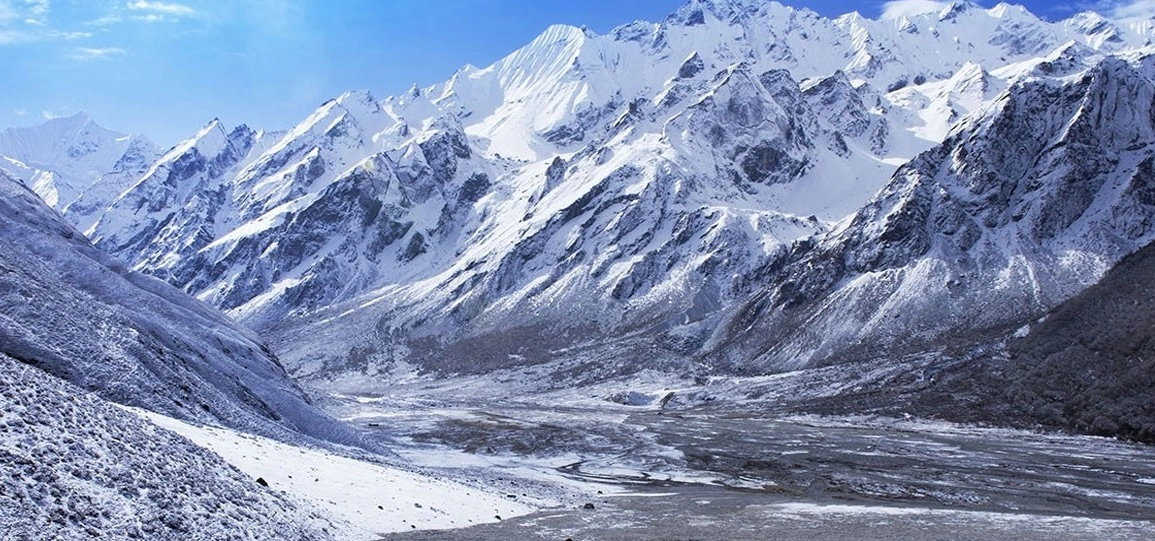
Ganja La Pass in Nepal is one of the most challenging and beautiful high mountain passes in the Langtang region. It is a remote trekking route that connects the Langtang Valley side with the Helambu region. This pass is less crowded compared to other popular trekking routes, which makes it special for trekkers who want a quiet and wild mountain experience.
Ganja La Pass is located inside the Langtang region of Nepal, north of Kathmandu. Trekkers usually start their journey from Syabrubesi and move towards the Langtang Valley, passing through villages like Lama Hotel and Kyanjin Gompa. From Kyanjin Gompa, the real adventure begins as trekkers move toward the high mountain pass. The location is surrounded by tall snow-covered peaks, glaciers, and deep valleys, giving a true Himalayan trekking feeling.
This pass is famous among trekkers because it offers both beauty and difficulty at the same time. Unlike easy treks, Ganja La Pass in Nepal is a high-altitude crossing that requires good fitness and preparation. The trail is not fully developed, so it feels more natural and adventurous. Many trekkers choose this route because it gives a raw mountain experience where nature is still untouched and peaceful.
Another reason Ganja La Pass is well known is because of its amazing views. From the top of the pass, trekkers can see stunning mountains of the Langtang range, including snow peaks and wide glacier landscapes. The feeling of standing at such a high point, surrounded by silence and giant mountains, is something very special for adventure lovers.
This trek is not just about walking in the mountains, it is also about facing challenges. The path includes steep climbs, rocky trails, and sometimes snowy sections. Weather can change quickly, making the journey more exciting and demanding. Because of this, Ganja La Pass in Nepal is mostly chosen by experienced trekkers or those who are well prepared with guides and proper equipment.
The adventure of Ganja La Pass gives a real sense of Himalayan exploration. It passes through remote areas where there are fewer tea houses, so trekkers often need camping support. This makes the journey feel more like an expedition rather than a normal trek. The peaceful environment, mountain silence, and natural beauty make it a memorable experience for those who love adventure in Nepal.
Ganja La Pass Trek Route and Itinerary
The Ganja La Pass in Nepal trek starts from the beautiful Langtang Valley region, which is one of the most popular trekking areas close to Kathmandu. Most trekkers begin the journey from Syabrubesi, a small town that is the main entry point of the Langtang region. From here, the trail slowly moves upward through forests, rivers, and traditional Tamang villages.
The first main stops on the way are Lama Hotel and Langtang Village. These places give trekkers a chance to rest and adjust to the rising altitude. As the journey continues, trekkers reach Kyanjin Gompa, which is the most important base point for the Ganja La Pass in Nepal trek. Kyanjin Gompa is a peaceful village surrounded by mountains, and it is also known for its monastery, cheese factory, and amazing views of Langtang Lirung.
From Kyanjin Gompa, the route becomes more challenging. Trekkers usually spend extra time here for acclimatization and short hikes to Kyanjin Ri or Tserko Ri. These hikes help the body prepare for high altitude before crossing Ganja La Pass. After proper rest, the trail moves towards the high camp or base camp area near the pass. This part of the journey is remote, and there are very few shelters, so trekkers often need camping support.
The main climb to Ganja La Pass in Nepal is steep and difficult. The path includes rocky trails, glaciers, and snow sections depending on the season. Reaching the top of the pass is the hardest part of the trek, but it also offers the most rewarding views of the surrounding Himalayan peaks. After crossing the pass, the trail descends toward the Helambu region.
On the other side, trekkers usually reach places like Tarke Gyang or Sermathang, which are peaceful Sherpa and Tamang villages. These villages are easier compared to the high mountain section and give a comfortable ending to the trekking journey. From here, the route gradually connects to lower trails that lead back toward road access points near Kathmandu.
The full Ganja La Pass trek usually takes around 6 to 10 days after entering the Langtang Valley, depending on the pace and weather conditions. Some trekkers take longer for acclimatization and safety, especially because the pass is high and physically demanding. The itinerary can change based on group speed, weather, and trekking experience, but most routes follow the same general pattern from Langtang Valley to Helambu.
The Ganja La Pass in Nepal route is known for its mix of forest trails, mountain villages, high glaciers, and remote wilderness. It is not an easy walk, but it offers a clear adventure experience from start to finish.
Difficulty Level and Fitness Needed
The Ganja La Pass in Nepal is considered a difficult and demanding trekking route in the Langtang region. It is not like an easy walk in the hills, but a real high mountain adventure that tests both physical strength and mental preparation. Trekkers who plan this journey should understand the challenges before starting the trail.
One of the main reasons the Ganja La Pass is difficult is because of its high altitude. The trail goes above 5,100 meters, where the air becomes thin and oxygen level is low. At this height, walking becomes slower and more tiring. Some trekkers may feel symptoms of altitude sickness like headache, dizziness, or loss of appetite. This is why proper acclimatization is very important during the trek.
The terrain of the Ganja La Pass in Nepal is also challenging. The route includes steep uphill climbs, rocky paths, glacier sections, and sometimes snowy areas depending on the season. There are no smooth or easy walking paths like city trails. Trekkers need to carefully place each step, especially during the climb to the pass and the descent on the other side. In some parts, the trail can be narrow and exposed, which requires extra attention and balance.
This trek is suitable for people who already have some basic trekking experience. First-time trekkers can do it, but only if they are physically fit and well prepared. Regular walking, hiking practice, and cardio exercises before the trip can help a lot. Strong legs, good stamina, and mental patience are important for completing the Ganja La Pass in Nepal trek safely.
Another important factor is the long walking hours. Each day of trekking usually takes 6 to 8 hours or even more in high sections. Carrying a backpack and walking for long hours in mountain terrain can feel tiring. Rest breaks and slow walking pace are needed to manage energy properly. The body needs time to adjust to the continuous uphill and downhill sections of Ganja La Pass.
Acclimatization plays a very important role in this trek. Trekkers usually spend extra days in places like Kyanjin Gompa before moving toward the pass. These rest days help the body adjust to high altitude and reduce health risks. Without proper acclimatization, crossing Ganja La Pass in Nepal can become unsafe and very difficult.
Good preparation also includes proper trekking gear such as warm clothing, strong trekking boots, gloves, and rain protection. Weather can change quickly in the mountains, so being prepared helps make the journey safer and more comfortable. The Ganja La Pass trek is physically demanding, but with the right fitness and preparation, it becomes a rewarding mountain experience.
Best Time to Visit Ganja La Pass
The Ganja La Pass in Nepal is a high mountain trek, so choosing the right time is very important for safety and good experience. The weather in the Himalayas changes quickly, and some seasons make the trail easier, while others make it very risky. Most trekkers plan their journey carefully based on season conditions.
The best time to visit Ganja La Pass is during spring, which is from March to May. In this season, the weather is generally stable and the temperature is moderate. The skies are usually clear, so trekkers can enjoy beautiful views of snow-covered mountains and deep valleys. Spring is also the time when rhododendron flowers bloom in the lower regions of the Langtang area, making the trail more colorful and enjoyable. This season is one of the most recommended times for the Ganja La Pass in Nepal trek.
Another good season is autumn, from September to November. After the monsoon rains, the air becomes fresh and clean. The mountain views are very sharp and clear during this time, which makes trekking more rewarding. The weather is also stable, with less chance of heavy rain or snow. Many trekkers choose autumn for the Ganja La Pass in Nepal because it offers the best combination of clear skies and safe walking conditions.
Winter, from December to February, is not recommended for most trekkers. During this time, the temperature drops very low, especially at high altitude areas like Ganja La Pass. Heavy snowfall can block the trail, making it dangerous and difficult to cross. Strong winds and freezing conditions can also increase the risk of altitude problems. Only very experienced trekkers with proper gear and support attempt the Ganja La Pass in winter.
The monsoon season, from June to August, is also not suitable for this trek. Heavy rain makes the trails slippery and dangerous. Landslides can occur in lower regions, and clouds often block mountain views. Leeches and muddy paths can also make walking uncomfortable. Because of these conditions, most trekking agencies avoid planning the Ganja La Pass in Nepal during monsoon months.
Visibility is one of the most important reasons to choose spring or autumn. During these seasons, trekkers can clearly see the Himalayan peaks, glaciers, and wide landscapes. The views from and around Ganja La Pass become much more impressive when the sky is clean and bright. Good weather also helps in safe crossing of high sections of the trail, especially near the pass where conditions can change quickly.
Overall, spring and autumn provide the safest and most beautiful trekking experience for the Ganja La Pass in Nepal, while winter and monsoon bring more risk and difficulty for travelers.
Permits, Cost, and Safety Tips
The Ganja La Pass in Nepal trek passes through a protected area and remote high mountain region, so trekkers need proper permits, budget planning, and safety preparation before starting the journey. This section is very important because it helps make the trek safe, legal, and well organized.
To enter the Ganja La Pass trekking route, the main permit required is the Langtang National Park Entry Permit. This permit is needed because the trail goes through Langtang National Park, which is a protected area with wildlife, forests, and mountain landscapes. Trekkers may also need a TIMS card in some cases, depending on current trekking regulations in Nepal. These permits are usually checked at entry points, so carrying them properly is important during the Ganja La Pass in Nepal trek.
The cost of the trek depends on the type of travel style. On average, trekkers spend money on food, lodging, guide, porter, and permits. In tea house sections of Langtang Valley, food and accommodation are available, but prices increase as altitude rises. For the Ganja La Pass, which includes remote and camping sections, costs can be higher because of the need for tents, food supplies, and trekking support. Hiring a guide and porter also adds to the budget, but it makes the journey safer and easier.
A guide is highly recommended for the Ganja La Pass in Nepal trek. The route is remote, less marked, and includes glacier and snow sections. A guide helps with navigation, weather updates, and safety decisions. In difficult situations like bad weather or altitude sickness, a guide can provide important support. Many trekkers do not attempt Ganja La Pass without professional guidance because of its challenging nature and isolation.
Safety is one of the most important parts of this trek. Altitude sickness is a common risk because the trail goes above 5,000 meters. Trekkers should walk slowly, drink enough water, and take proper rest breaks. If symptoms like headache or nausea appear, it is important to stop and descend if needed. Proper acclimatization is key to completing the Ganja La Pass in Nepal safely.
Good trekking gear is also necessary. Warm clothing, waterproof jackets, gloves, sunglasses, and strong trekking boots are important for changing mountain weather. A sleeping bag suitable for cold temperatures is needed for camping sections of Ganja La Pass. Trekking poles can also help reduce pressure on knees during steep climbs and descents.
Preparation before the trek also includes physical fitness. Regular walking, hiking, and cardio training can improve stamina. Mental preparation is also important because the trail can be long and tiring. Weather in the high mountains can change quickly, so being flexible and prepared helps ensure a safer experience on the Ganja La Pass in Nepal route.
Make an Inquiry



 March 17, 2026
Crossing Kongma La Pass – A Tough but Beautiful Himalayan Adventure
Where is Kongma La Pass Kongma La Pass is a high mountain pass in the Everest region of Nepal. It...
 February 3, 2026
Lukla – The Gateway to Everest Treks in Nepal
Where Is Lukla and Why It Is So Important for Everest Treks Lukla is a small mountain town located in...
 March 24, 2026
Renjo La Pass – The Quiet Beauty of Everest Three Passes Trek
Where is Renjo La Pass and Why It is Special Renjo La Pass is one of the high mountain passes...


