Thorang La Pass Trek in Nepal – Easy Guide for First-Time Trekkers
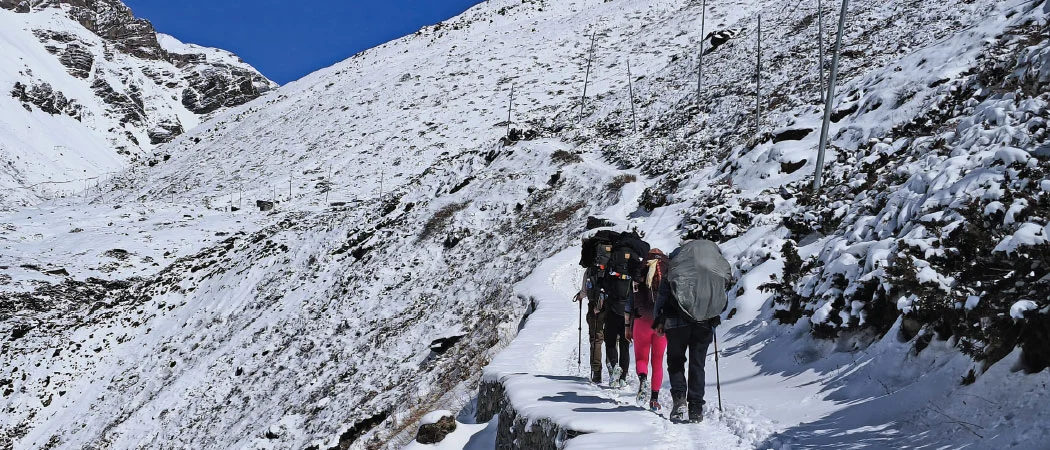
Why Thorang La Pass is the Most Famous High Mountain Pass in Nepal
Thorang La Pass is one of the most famous high mountain passes in Nepal. It is located in the beautiful Annapurna region, which is one of the most popular trekking areas in the world. This place is not only known for its high altitude but also for its amazing mountain views, culture, and trekking experience. Many trekkers from different countries come here every year to experience this special route.
The main reason Thorang La Pass is so popular is because it connects two different regions of Nepal, Manang and Mustang. These two areas are very different from each other in climate, landscape, and culture. Manang is more green and has mountain villages, while Mustang is dry and looks like a desert with strong winds. Crossing Thorang La Pass means you experience both of these unique worlds in one trek.
The pass is part of the famous Annapurna Circuit Trek, which is considered one of the best trekking routes in the world. Trekkers walk through forests, rivers, villages, and rocky trails before reaching the high point of the journey. At the top, the view is very powerful and memorable. You can see snow-covered mountains and wide valleys that feel very peaceful and natural.
The height of Thorang La Pass is about 5,416 meters above sea level. This makes it one of the highest trekking passes in the world that is commonly used by trekkers. Because of this high altitude, the air becomes thin and walking becomes more challenging. Even though it is difficult, many people still choose this trek because of the reward at the top and the feeling of achievement after crossing it.
Another reason why Thorang La Pass is famous is its cultural experience. Along the way, trekkers meet local people like Gurung, Thakali, and Tibetan-influenced communities. These people have simple mountain lifestyles, and their warm hospitality makes the journey more meaningful. Small tea houses and villages along the trail give trekkers a place to rest and learn about local culture.
For beginners, it is important to know about Thorang La Pass before planning the trek. This is not an easy walk; it requires good preparation and patience. The weather can change quickly, and altitude sickness is a real challenge. Still, many first-time trekkers complete it successfully with proper guidance, slow walking, and rest days for acclimatization. Learning about the route helps beginners feel more confident and safe during the journey.
The journey to Thorang La Pass is not just about reaching the top. It is about walking through different landscapes, meeting new people, and slowly adjusting to high altitude life. Every step gives a new view and a new experience, which is why this pass is considered very special in Nepal trekking history.
Best Route and Trekking Itinerary for Thorang La Pass
The trekking route to Thorang La Pass is part of the famous Annapurna Circuit Trek in Nepal. This route is known for its changing landscapes, from green hills and rivers to dry mountain valleys. Most trekkers start their journey from Besisahar, which is the main gateway to the Annapurna region. From here, the trail slowly goes deeper into mountain villages and higher altitudes.
The journey usually begins from Besisahar and then moves through places like Chame, Pisang, and Manang. These are important stops where trekkers rest and adjust to the altitude. Manang is one of the most important places before crossing Thorang La Pass because it is used for acclimatization. Trekkers often spend an extra day or two here to help their body adjust to the thin air.
From Manang, the trail becomes more challenging as you move towards Yak Kharka and Thorong Phedi. These places are small settlements where trekkers stay before the big climb. Thorong Phedi is the final stop before crossing Thorang La Pass, and many trekkers also stay at High Camp for a shorter summit day. The higher you go, the colder and harder the walk becomes, so slow walking is very important.
The crossing of Thorang La Pass usually starts early in the morning. Trekkers begin their walk in the dark so they can reach the top before strong winds start in the afternoon. The climb is steep and slow, but the view from the top is very rewarding. From there, the trail goes down towards Muktinath, which is a very famous pilgrimage site for both Hindus and Buddhists.
Muktinath is an important stop after crossing Thorang La Pass. Many trekkers rest here and visit the temple area. After Muktinath, the trek continues down to Jomsom and other lower villages. The landscape becomes dry and windy as you enter the Mustang region.
The total trekking time for Thorang La Pass usually takes around 12 to 18 days. This depends on walking speed, rest days, and weather conditions. Some trekkers choose a shorter itinerary, while others prefer a slower and more comfortable plan.
An easy trekking plan includes more rest days, especially in Manang and Yak Kharka. This helps beginners adjust to altitude and reduces the risk of altitude sickness. A standard trekking plan has fewer rest days and is suitable for people with better fitness and previous trekking experience.
Both plans lead to the same destination, but the experience feels different based on how fast you walk. A slower plan gives more time to enjoy villages, culture, and mountain views along the way to Thorang La Pass. A faster plan is more physically demanding but saves time.
The route to Thorang La Pass is not just a path from one place to another. It is a long mountain journey that slowly takes you from green hills to high snowy passes, and then down into a dry desert valley.
Difficulty Level and Fitness Tips for First-Time Trekkers
The trek to Thorang La Pass is considered a moderate to hard level trek in Nepal. This means it is not very easy, but also not impossible for beginners. Many first-time trekkers complete it every year with proper preparation. The main challenge is not just walking distance, but the high altitude and changing weather conditions.
One of the biggest difficulties of Thorang La Pass is the altitude. The pass is at about 5,416 meters, which is very high. At this height, the air becomes thin and it is harder to breathe. Even simple walking feels more tiring. Many trekkers feel slow and weak at higher places, so it is important to walk slowly and rest often. This is normal in high mountain trekking and should not cause panic.
The trekking route also includes long walking days. Some days can take 5 to 7 hours of walking on uneven paths, stone steps, and uphill trails. Because of this, good walking stamina is very important for Thorang La Pass. You do not need to be a professional athlete, but your body should be ready for long walks every day for many days.
Cardio fitness is very helpful before starting this trek. Simple activities like walking, jogging, cycling, or climbing stairs can improve your stamina. If you practice these activities a few weeks before your trek, your body will adjust better during the journey to Thorang La Pass. Strong legs and good breathing control make the trek easier and more comfortable.
Simple training tips can help first-time trekkers prepare well. Walking at least 1 to 2 hours daily is a good start. You can also carry a small backpack during practice walks to feel like real trekking. Stretching exercises are also useful because they help reduce muscle pain during long walks. Many people ignore training, but light preparation makes a big difference on the trail to Thorang La Pass.
Altitude sickness is another important challenge. It can cause headache, tiredness, or loss of appetite. To reduce this risk, trekkers should follow a slow walking plan and take proper rest days. Drinking enough water is also very important. When the body gets enough time to adjust, the journey becomes safer and more enjoyable.
Mental preparation is also very important for Thorang La Pass. The trek is not only about physical strength, but also about patience. Weather can change, walking can feel slow, and some days can be more tiring than expected. Staying positive and calm helps a lot during these moments. Understanding that difficulty is part of the experience makes the journey easier to handle.
Beginners should also be ready for simple mountain living. Tea houses are basic, and facilities are limited in high areas. But this simple lifestyle is part of the trekking experience in Thorang La Pass. Accepting these conditions with a positive mindset makes the journey more meaningful.
With the right fitness, slow walking habit, and mental preparation, first-time trekkers can safely enjoy the adventure to Thorang La Pass and complete one of the most famous trekking routes in Nepal.
Best Time to Visit Thorang La Pass for Safe Trekking
Choosing the right time to trek to Thorang La Pass is very important for safety and comfort. The weather in the mountains changes quickly, so timing plays a big role in how safe and enjoyable your journey will be. Most trekkers prefer two main seasons for this trek: spring and autumn.
Spring season, from March to May, is one of the best times for Thorang La Pass. During this time, the weather is warmer during the day and the skies are often clear. You can see beautiful snow-covered mountains and green hills along the way. Rhododendron flowers also bloom in the lower regions, making the trail more colorful and pleasant. The temperature is not too cold, which makes walking easier for first-time trekkers.
Autumn season, from September to November, is another best time for Thorang La Pass. After the monsoon rains, the air becomes clean and the sky is very clear. This season gives the best mountain views, and the weather is stable most of the time. Many trekkers choose this season because the trails are dry and safe, and there is less chance of heavy rain or snow blocking the path.
Winter season, from December to February, is very cold in the region. At higher parts of Thorang La Pass, heavy snowfall can block the trail. The temperature drops very low, especially at night, making trekking very difficult. Some experienced trekkers still go during winter, but it is not recommended for beginners because the risk is higher and tea houses may also be closed in some areas.
Monsoon season, from June to August, is also not a good time for Thorang La Pass. During this time, heavy rain makes the trails slippery and dangerous. There is also a higher risk of landslides in lower regions. Clouds often cover the mountains, so views are not clear. Because of this, most trekkers avoid this season for safety reasons.
Clear weather conditions are very important for crossing Thorang La Pass. When the sky is clear, it is easier to see the trail and enjoy the mountain views. But in bad weather, snow and strong winds can make the pass very risky. The final climb to the top is steep and exposed, so visibility is very important for safe walking.
Timing is not only about comfort, but also about safety. In good seasons, the trails are open, tea houses are running, and help is available if needed. In bad seasons, even small problems can become serious in high mountains. That is why choosing the right time for Thorang La Pass helps reduce risk and makes the journey more enjoyable.
When trekkers plan their trip in spring or autumn, they get a better balance of safety, weather, and natural beauty. This makes the trekking experience smoother and more memorable, especially for first-time visitors going to Thorang La Pass.
Altitude Sickness, Safety Tips, and Packing List
Trekking to Thorang La Pass is a beautiful adventure, but it also comes with high altitude challenges. One of the most important things every trekker should understand is altitude sickness. In simple words, altitude sickness happens when your body cannot adjust properly to low oxygen levels at high places. Since Thorang La Pass is over 5,400 meters, this is a real risk for many trekkers.
When altitude sickness happens, a person may feel headache, dizziness, tiredness, loss of appetite, or trouble sleeping. In some cases, it can become serious if ignored. That is why it is very important to understand the signs early while trekking to Thorang La Pass.
The best way to prevent altitude sickness is acclimatization. This means giving your body enough time to adjust to higher places. Trekkers should not rush the journey. Staying an extra day in places like Manang helps the body get used to thin air before going higher on the route to Thorang La Pass. Walking slowly is also very important because fast walking increases pressure on the body.
Hydration is another simple but powerful way to stay safe. Drinking enough water helps your body work better at high altitude. Many trekkers forget to drink water because of cold weather, but staying hydrated is very important for Thorang La Pass trekking. Avoid alcohol and smoking because they make altitude sickness worse.
If symptoms of altitude sickness become serious, the best emergency rule is to stop climbing. Going down to a lower altitude is the safest option. Never ignore strong symptoms like severe headache or vomiting. In high mountains like Thorang La Pass, health should always come first. Informing your guide or trekking partner immediately can help in getting proper support.
Safety rules are very important during the trek. Always follow the guide’s instructions and never walk alone in risky areas. Weather can change quickly near Thorang La Pass, so it is important to stay prepared and aware. Keeping a slow and steady pace is better than rushing to the top.
Packing the right gear also makes a big difference for safety and comfort. A warm down jacket is very important because temperatures can drop suddenly. Good trekking boots help you walk safely on rocky and icy paths. Warm gloves, hats, and thermal layers are also needed for Thorang La Pass because the weather becomes very cold at high altitude.
A basic first aid kit should always be carried. Medicines for headache, fever, and stomach issues are useful during the trek. Some trekkers also carry altitude sickness medicine after consulting a doctor. Sunscreen and sunglasses are important because sunlight is very strong at high altitude.
Sleeping bags, trekking poles, and a small backpack make the journey more comfortable. Light but warm clothing is the best choice for Thorang La Pass, as heavy bags make walking harder.
Having a licensed guide is very helpful, especially for first-time trekkers. A guide knows the route, weather changes, and safety steps. They can help in emergencies and make the journey smoother. Travel insurance is also very important because it covers medical costs and emergency evacuation if needed in places like Thorang La Pass.
Proper preparation, safe walking habits, and the right equipment help make the journey safer and more enjoyable in high mountain conditions.
Make an Inquiry


 March 31, 2026
Crossing Cho La Pass – A Complete Guide for Three Passes Trek in Nepal
Where is Cho La Pass in the Everest Three Passes Trek? Cho La Pass is one of the high mountain...
 March 17, 2026
Crossing Kongma La Pass – A Tough but Beautiful Himalayan Adventure
Where is Kongma La Pass Kongma La Pass is a high mountain pass in the Everest region of Nepal. It...
 May 5, 2026
Larkya La Pass – What You Need to Know Before You Go
Larkya La Pass Trek Overview: Distance, Height, and Route The Larkya La Pass trek is one of the most beautiful...


