Larkya La Pass – What You Need to Know Before You Go
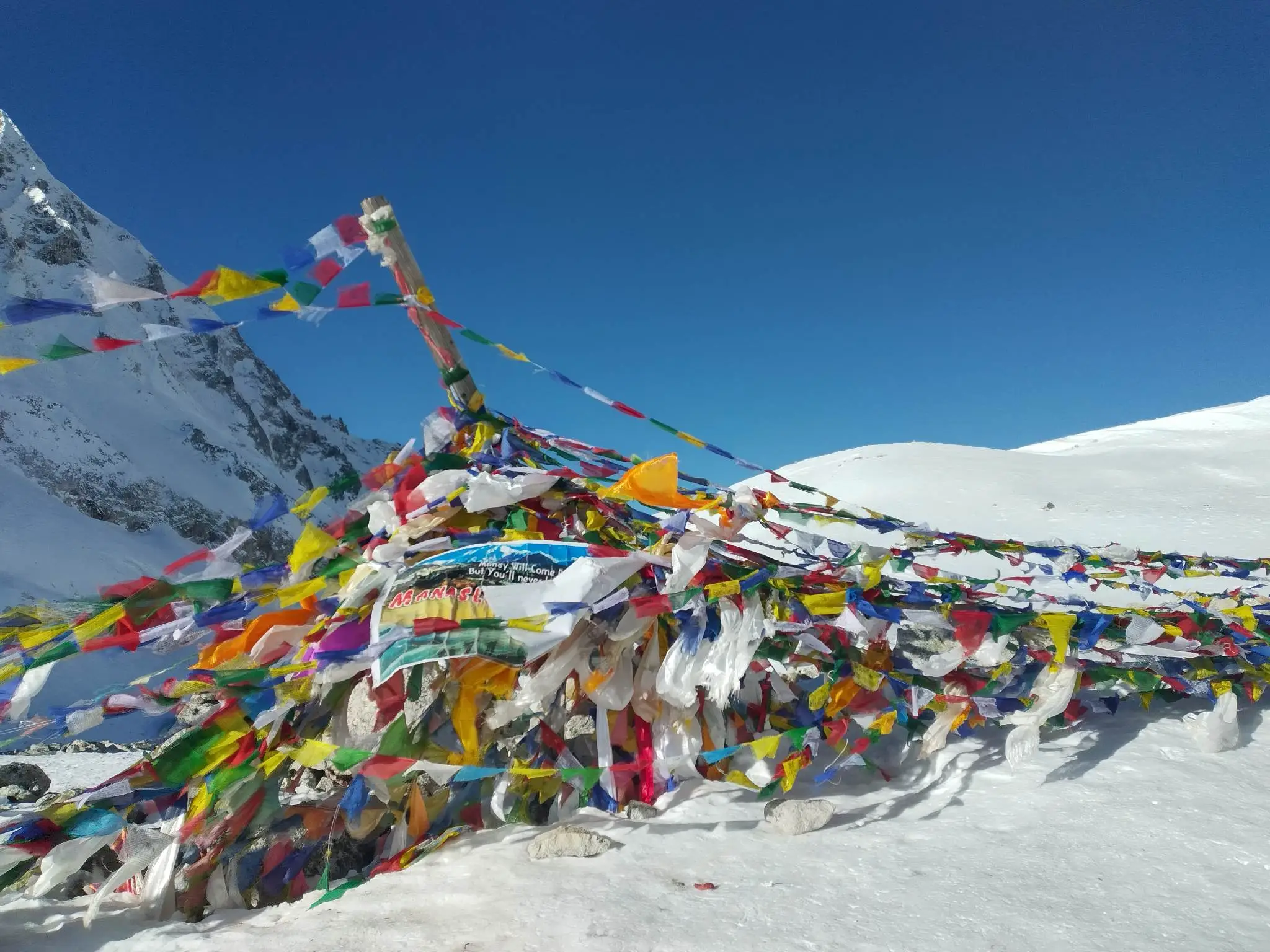
Larkya La Pass Trek Overview: Distance, Height, and Route
The Larkya La Pass trek is one of the most beautiful and adventurous parts of the Manaslu Circuit Trek in Nepal. This trek takes you around the Mount Manaslu region, which is known for its quiet trails, rich culture, and stunning mountain views. Many trekkers choose this route because it is less crowded than other popular treks, but still offers a true Himalayan experience.
The full trek usually starts from Machha Khola and ends at Dharapani. Along the way, you walk through small villages, green forests, and high mountain areas. The total trekking distance is around 160 to 180 kilometers, depending on the route and side trips. Most people complete the trek in 14 to 18 days. This gives enough time to walk slowly, enjoy the views, and adjust to the high altitude.
The highest point of this trek is Larkya La Pass, which stands at 5,106 meters above sea level. This is a very important part of the journey. Crossing this high pass is both exciting and challenging. At this height, the air is thin, and the weather can change quickly. That is why proper planning and acclimatization are very important during this trek.
The route of the Larkya La Pass trek is very diverse. In the lower parts, you will see rivers, waterfalls, and green hills. As you go higher, the landscape changes into rocky paths and snowy areas. You will also pass close to some of the famous Glaciers of Nepal. These glaciers are large masses of ice that move slowly over time. They add a special beauty to the high mountain region and make the trek more exciting to explore.
During the trek, you walk through traditional villages where local people follow Tibetan-influenced culture. You can see old monasteries, prayer flags, and stone houses. This cultural experience makes the journey more meaningful. The peaceful environment and friendly locals give you a deeper connection to the Himalayas.
In terms of difficulty, the Larkya La Pass trek is considered moderate to challenging. You do not need to be a professional climber, but you should have good physical fitness. Each day, you may walk for 5 to 7 hours on average. Some days, especially near the pass, can be longer and more tiring. The high altitude is also a big factor. As you go above 3,500 meters, your body needs time to adjust. This is why rest days are included in most trekking plans.
Another reason this trek is special is because of the close views of mountains and Glaciers of Nepal. As you approach the higher areas, you can see snow-covered peaks and icy landscapes. These views are peaceful and powerful at the same time. The glaciers you see along the way are part of the natural beauty that makes Nepal famous for trekking.
The trail also connects different regions, giving you a wide range of scenery and experiences. From warm river valleys to cold mountain passes, every day feels different. Walking near Glaciers of Nepal and crossing a high pass like Larkya La gives a strong sense of achievement.
This trek is perfect for those who want both adventure and culture in one journey. It offers a balanced mix of natural beauty, local life, and physical challenge while staying connected to the wider Manaslu Circuit route.
Best Time to Visit Larkya La Pass for Clear Views
Choosing the right time to visit Larkya La Pass is very important for a safe and enjoyable trek. The weather in the high Himalayas can change quickly, and clear views depend a lot on the season. If you plan your trip in the right months, you can enjoy beautiful mountain views, safe trails, and a better trekking experience.
The best seasons to visit Larkya La Pass are spring and autumn. Spring runs from March to May. During this time, the weather becomes warmer after winter, and the skies are often clear. The hills and forests along the trail start to bloom with colorful flowers, especially rhododendrons. The temperature in lower areas ranges from 10°C to 20°C during the day, while higher areas can be between -6°C to 5°C. This season is also good for seeing distant peaks and even parts of the Glaciers of Nepal, as the skies are usually bright and open.
Autumn, from September to November, is another excellent time for this trek. After the monsoon rains, the air becomes clean and fresh. This gives very clear views of the mountains. Many trekkers prefer autumn because the visibility is often the best of the year. Daytime temperatures are similar to spring, around 10°C to 18°C in lower regions, and can drop to -8°C to 0°C at higher altitudes. The stable weather during this season makes crossing the pass easier and safer. The views of snowy peaks and nearby Glaciers of Nepal are sharp and beautiful during this time.
Winter, from December to February, is not the best time for most trekkers. The temperature drops very low, especially near Larkya La Pass. It can go below -15°C at higher elevations. Heavy snowfall can block the trail, making it difficult and sometimes dangerous to cross the pass. The cold weather also makes walking harder, and many teahouses may be closed. While the mountains look stunning in winter, the risks are higher, and visibility can be affected by snowstorms.
The monsoon season, from June to August, is also not recommended. During this time, Nepal receives heavy rainfall, especially in lower areas of the trek. The trails can become muddy and slippery, which increases the chance of accidents. Clouds and rain often block the mountain views, so you may not see much of the scenery. Landslides can also happen in some parts of the trail. Even though the region lies in a rain shadow area in higher sections, the lower route still faces strong monsoon effects. This makes it harder to enjoy the views of mountains and Glaciers of Nepal.
Weather patterns in the Himalayas are closely linked to altitude. As you climb higher, the temperature drops and the air becomes thinner. This is why even in the best seasons, mornings and nights can be very cold. During the day, the sun can feel warm, but once the sun sets, the temperature falls quickly. Wearing layers is important so you can adjust to these changes easily.
Clear views are one of the main reasons people choose the Larkya La Pass trek. In spring and autumn, the sky is often blue, and you can see far across the mountains. This includes views of snowy peaks, valleys, and even distant Glaciers of Nepal. Good visibility also helps with navigation and makes the trekking experience more enjoyable.
Planning your trek during the right season not only improves safety but also helps you enjoy every part of the journey. If you want to learn more about trekking seasons across the country, you can also check your detailed guide on the best time to trek in Nepal for better planning.
Difficulty Level of Larkya La Pass Trek Explained Simply
The trek to Larkya La Pass is known as a moderate to challenging trek. This means it is not the hardest trek in Nepal, but it still needs good preparation. Many people with basic fitness can complete it, but they must be ready for long days of walking and high mountain conditions.
One main reason this trek is challenging is the long walking hours. Most trekking days are about 5 to 7 hours. Some days can be even longer, especially when you get closer to the pass. The day you cross Larkya La Pass can take 8 to 10 hours of walking. The trail is not always easy. In lower areas, you walk on stone steps and forest paths. In higher areas, the trail becomes rocky, steep, and sometimes covered with snow.
Another important factor is the high altitude. The highest point of the trek is 5,106 meters. At this height, the air has less oxygen. This makes it harder to breathe and walk. Even simple tasks can feel tiring. As you go above 3,500 meters, your body starts to feel the effects of altitude. This is why the trek includes rest days to help your body adjust slowly.
Altitude sickness is something every trekker should understand. It usually starts above 3,500 meters. Some common signs are headache, dizziness, loss of appetite, and trouble sleeping. If a person goes higher too fast, the symptoms can get worse. The best way to stay safe is to walk slowly, drink enough water, and take proper rest. Listening to your body is very important during this trek. For more safety tips, you can connect this section to your detailed altitude sickness guide.
Basic fitness is enough for this trek, but you should prepare before coming. You do not need special climbing skills, but you should be able to walk for several hours each day. Simple training like walking, hiking, or light exercise before the trek can help a lot. Strong legs and good stamina will make your journey more comfortable.
The weather also adds to the difficulty. In higher areas, it can be very cold, especially in the morning and at night. The temperature can go below freezing. Wind and sudden weather changes can make the trek harder. Proper clothing and gear are very important to stay warm and safe.
Another challenge is the remote location. The trek is part of the Manaslu Circuit Trek, which is less crowded than other trekking routes. This means fewer facilities compared to popular areas like Everest or Annapurna. Teahouses are simple, and services may be basic. However, this also gives a peaceful and natural trekking experience.
As you go higher, you will also walk near some of the beautiful Glaciers of Nepal. These glaciers create a cold and rugged landscape. Walking near them can be exciting, but the terrain can be uneven and sometimes slippery. This adds a bit more challenge to the trek, especially near the pass.
The trail also includes steep climbs and long descents. Going uphill can be slow and tiring, while going downhill can be hard on your knees. Using trekking poles can help reduce strain on your body. Taking small breaks and keeping a steady pace is the best way to manage the trail.
Even though the trek is challenging, many people complete it every year with proper planning. The mix of high altitude, long walking days, and changing landscapes makes it a true Himalayan adventure. Along the way, the views of mountains and Glaciers of Nepal make the effort feel meaningful.
What to Pack for Larkya La Pass Trek
Packing the right items for the Larkya La Pass trek is very important for a safe and comfortable journey. This trek takes you from warm river valleys to cold high mountain areas, so your packing should be simple but smart. Carry only what you need, but make sure you are ready for changing weather and long walking days.
Clothing is one of the most important parts of your packing list. In the lower areas, the weather can feel warm during the day. But as you go higher, it becomes cold, especially in the morning and at night. This is why layering is very important. Instead of wearing one thick jacket, you wear a few light layers. For example, you can wear a base layer, a warm fleece, and a down jacket. This way, you can add or remove clothes based on the weather. Layering helps you stay warm and dry in high altitude conditions.
You should pack thermal innerwear, a fleece jacket, and a good down jacket for cold areas. A waterproof jacket is also useful in case of wind or light snow. Trekking pants, warm gloves, a woolen hat, and a neck cover are also important. These items help protect your body from cold winds, especially near the pass and close to the Glaciers of Nepal where the temperature drops quickly.
Good trekking boots are a must for this trek. Choose strong and comfortable boots with good grip. The trail can be rocky, steep, and sometimes snowy, especially near higher sections. Your shoes should support your ankles and keep your feet dry. It is also helpful to carry extra socks, preferably woolen ones, to keep your feet warm and avoid blisters.
A small daypack is useful for carrying daily essentials like water, snacks, and personal items. You should carry a reusable water bottle or hydration pack and drink water regularly to stay hydrated. Snacks like energy bars, dry fruits, or biscuits can give you quick energy during long walking hours.
A basic first aid kit is also important. It should include items like pain relief tablets, bandages, blister care, and any personal medicines. Since the trek goes above 3,500 meters, you may also carry medicine for altitude sickness if advised by a doctor. Walking near high places and Glaciers of Nepal can be physically demanding, so being prepared helps you stay safe.
Other useful gear includes trekking poles, sunglasses, sunscreen, and a headlamp. Trekking poles help you balance on steep climbs and descents. Sunglasses protect your eyes from strong sunlight and snow reflection at high altitude. Sunscreen is important because the sun is stronger in the mountains. A headlamp is useful for early morning walks, especially on the day you cross the pass.
You should also pack a sleeping bag if you prefer extra warmth at night. Teahouses provide blankets, but it can get very cold in higher areas. A good sleeping bag helps you sleep better and stay comfortable.
Keep your packing light and organized. Most trekkers use a duffel bag carried by a porter and a small backpack for daily use. Avoid carrying too many extra items, as it can make your trek harder.
During the trek, you will pass through different landscapes, including areas close to Glaciers of Nepal. The weather in these places can change quickly, so having the right gear makes a big difference. Simple and practical packing helps you focus on the journey instead of worrying about comfort or safety.
For a more detailed checklist, you can connect this section to your full trekking packing list Nepal guide, which helps trekkers prepare step by step.
Why Larkya La Pass is Worth the Trek
The journey to Larkya La Pass is special for many reasons. It is not just about reaching a high point in the mountains. It is about the full experience you get along the way. From peaceful trails to wide mountain views, this trek offers something that feels real and close to nature.
One of the main reasons people choose this trek is the beautiful mountain scenery. As you walk higher, you start to see big snow-covered peaks all around you. The views become wider and clearer each day. From the top of the pass, you can see a long line of Himalayan mountains stretching far into the distance. These are not small views. They are large, open, and powerful. Many trekkers say this moment feels quiet and unforgettable.
Another highlight is the chance to see the Glaciers of Nepal up close. These glaciers are slow-moving rivers of ice that shape the high mountain land. As you walk near them, the air feels colder and the landscape looks more rugged. The mix of rocks, ice, and snow creates a unique view that you do not often see in daily life. The presence of Glaciers of Nepal adds a sense of adventure and natural beauty to the trek.
This trek is also known for being quiet and less crowded. Compared to other popular trekking routes in Nepal, this area sees fewer visitors. This means you can walk for hours without meeting many people. The peaceful environment helps you enjoy the sounds of nature, like rivers, wind, and distant birds. It also gives you more space to relax and think while walking.
The trail is part of the Manaslu Circuit Trek, which passes through remote villages. These villages are simple and full of local life. People here follow old traditions, and many of them have Tibetan-influenced culture. You can see prayer flags, small monasteries, and stone houses along the way. Talking with locals, even with simple words or smiles, adds warmth to your journey.
The daily experience of the trek also feels rewarding. Each day is different. One day you walk through green forests, the next day through rocky hills, and later through cold high mountain paths. Walking near the Glaciers of Nepal and crossing rivers on suspension bridges makes the journey more exciting. These small moments build a strong connection with the place.
There is also a personal side to this trek. Walking for many days in nature helps you slow down. You start to notice simple things, like the sound of your steps or the change in the sky. Reaching the top of Larkya La Pass after days of effort gives a deep feeling of achievement. It is not about speed or competition. It is about completing a journey step by step.
The remote setting of this trek is another reason it stands out. You are far from busy cities and modern noise. Life on the trail is simple. You eat basic food, sleep in small teahouses, and follow a daily walking routine. This simple way of living helps many trekkers feel calm and focused.
The views of mountains and Glaciers of Nepal, the quiet trails, and the rich local culture all come together to make this trek meaningful. It is a journey where nature, people, and personal effort meet in a balanced way.
If you are looking for more peaceful trekking routes like this, you can connect this section to your guide on remote treks in Nepal to explore similar experiences in other regions.
Make an Inquiry

 January 27, 2026
Best Everest Trek – Compare EBC, Panorama, Heli & Gokyo Lake Routes
Introduction: Which Everest Trek is Best for You? Everest trekking is one of the most popular adventures in the world....
 November 27, 2025
Manaslu Circuit Trek – The Most Underrated Adventure Trek of Nepal
Manaslu circuit trek is perhaps one of the most underrated adventure treks of Nepal, situated in the remote western Himalayas....
 March 31, 2026
Crossing Cho La Pass – A Complete Guide for Three Passes Trek in Nepal
Where is Cho La Pass in the Everest Three Passes Trek? Cho La Pass is one of the high mountain...


