Crossing Kongma La Pass – A Tough but Beautiful Himalayan Adventure
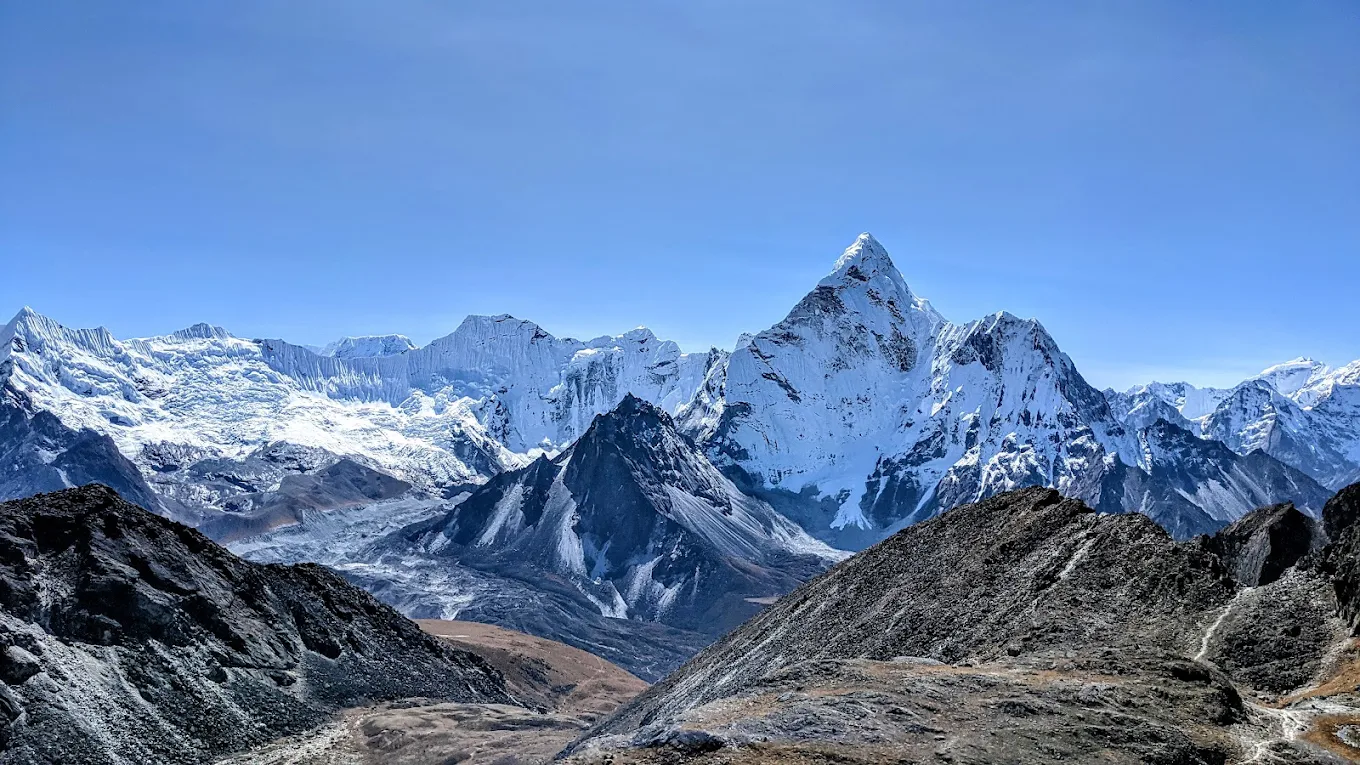
Where is Kongma La Pass
Kongma La Pass is a high mountain pass in the Everest region of Nepal. It sits at an altitude of about 5,535 meters above sea level. This makes it one of the highest trekking passes in Nepal. Trekkers cross this pass during the famous Everest Three Pass Trek, which is known as one of the most challenging trekking routes in the Everest Region.
Kongma La Pass lies between two small trekking stops called Lobuche and Chhukung. These places are popular overnight stops for trekkers exploring the Everest region. Lobuche is close to the trail that leads to Everest Base Camp, while Chhukung sits in the beautiful Imja Valley surrounded by tall mountains.
When trekkers travel from Lobuche to Chhukung, they cross Kongma La Pass through a high and wild mountain trail. This trail is quiet and less crowded compared to other trekking routes in the Everest region. Many trekkers choose this route because they want a more remote and adventurous experience in the Himalayas.
Kongma La Pass is part of the famous three high passes of the Everest region. The other two passes are Cho La Pass and Renjo La Pass. Together, these three passes create the challenging Everest Three Pass Trek. This trek allows visitors to explore more of the Khumbu region than the classic Everest Base Camp trail.
Because of its high altitude, the journey to Kongma La Pass is not easy. The trail climbs steeply over rocky paths and loose stones. Trekkers must walk slowly and carefully as they move higher into the mountains. At this height, the air becomes thin, so proper acclimatization is very important for a safe trek.
One special feature of Kongma La Pass is its location between large glaciers and tall Himalayan peaks. From the top of the pass, trekkers can see the huge Khumbu Glacier. The views also include some of the tallest mountains in the world, including Mount Everest, Lhotse, and Nuptse.
The trail to Kongma La Pass is often quiet because fewer trekkers choose this route compared to the Everest Base Camp trail. This makes the journey feel more peaceful and close to nature. Trekkers walk through rocky landscapes, high ridges, and glacier valleys while crossing this high mountain pass.
Due to its high altitude and remote location, Kongma La Pass is usually crossed by trekkers who already have some trekking experience in the Himalayas. Many people who attempt the Everest Three Pass Trek see Kongma La Pass as one of the most exciting and challenging parts of the journey through the Everest region.
Why Kongma La Pass is a Tough Trek
Kongma La Pass is known as one of the toughest trekking passes in the Everest Region. Many trekkers say this part of the journey is both challenging and exciting. The high altitude, steep climb, and rough trail make the crossing difficult for many people.
One main reason why Kongma La Pass is tough is the steep climb. The trail going up to the pass rises quickly in altitude. Trekkers have to walk uphill for several hours. The path is not smooth, and in many places it is covered with loose stones and rocky ground. Walking on this type of trail can be slow and tiring. Trekkers need to take small steps and keep a steady pace.
Another challenge of Kongma La Pass is the rocky and uneven trail. Unlike some popular trekking routes, this trail does not always have a clear and wide path. In some sections, trekkers must carefully walk over large rocks and narrow mountain paths. This requires balance and attention while walking. During early morning or colder days, some rocks can also be covered with ice, which makes the trail more slippery.
High altitude is another reason why Kongma La Pass is considered difficult. The pass sits at around 5,535 meters above sea level. At this height, the air has less oxygen. Because of this, many trekkers feel tired more quickly than usual. Some people may also experience symptoms of altitude sickness if they climb too fast without proper rest days.
Proper acclimatization is very important before crossing Kongma La Pass. Trekkers often spend extra nights in places like Dingboche or Chhukung to allow their bodies to adjust to the high altitude. These rest days help the body slowly get used to thinner air, which makes the journey safer.
Another difficult part of Kongma La Pass is crossing glacier areas near the trail. In some sections, trekkers may walk close to parts of the Khumbu Glacier. The landscape around the pass is wild and rugged, with rocky slopes and glacial valleys. This type of terrain can be harder to walk on compared to normal forest or village trails.
The weather in the Everest region can also make Kongma La Pass more challenging. Wind, cold temperatures, and sudden weather changes are common at high altitude. For this reason, most trekkers start early in the morning when the weather is usually more stable.
Good physical fitness is very helpful for anyone planning to cross Kongma La Pass. Trekkers need strong legs and good stamina because the walk can take many hours in one day. Many people prepare for this trek by doing hiking, walking, or regular exercise before coming to Nepal.
Trekking experience also makes a big difference when crossing Kongma La Pass. People who have already done high altitude treks often find it easier to manage the long climbs and thin air. Walking slowly, drinking enough water, and taking rest breaks are simple but important habits that help trekkers safely cross Kongma La Pass.
Best Time to Cross Kongma La Pass
Kongma La Pass sits high in the Himalayas at about 5,535 meters. Because of this high altitude, weather and seasons play an important role when planning the trek. Choosing the right time to cross Kongma La Pass can make the journey safer and more enjoyable.
The best seasons to cross Kongma La Pass are spring and autumn. During these months, the weather in the Everest Region is usually more stable, and the skies are often clear. Clear weather helps trekkers enjoy the mountain views and also makes the trail easier to follow.
Spring runs from March to May in Nepal. This is one of the most popular times to trek in the Everest region. During spring, the temperature slowly becomes warmer after the cold winter months. Snow on the trail begins to melt, which makes walking conditions better for trekkers crossing Kongma La Pass.
Another special feature of spring is the colorful nature along the lower trails. In many places, rhododendron flowers bloom and forests look bright and lively. The air is fresh and the days slowly grow longer, giving trekkers more daylight hours to walk.
Spring also offers beautiful views of famous Himalayan mountains. Trekkers crossing Kongma La Pass during this time often enjoy clear views of Mount Everest, Lhotse, and Ama Dablam. The clear skies make it easier to see these peaks from high ridges and passes.
Autumn is another excellent season for crossing Kongma La Pass. Autumn in Nepal usually lasts from September to November. This season comes right after the summer monsoon rains. Once the rain ends, the air becomes clean and the mountain views become very clear.
During autumn, the weather in the Everest region is often dry and stable. Trails are generally in good condition, and there is less chance of heavy snow or rain. Because of these conditions, many trekkers choose autumn for the Everest Three Pass Trek.
Temperatures during autumn are comfortable for trekking during the day. Nights can still be cold at high altitude, especially near Kongma La Pass, but the daytime walking conditions are usually pleasant. Trekkers often start early in the morning to reach the pass before afternoon winds become stronger.
Winter and summer are usually not recommended seasons for crossing Kongma La Pass. Winter months from December to February bring heavy snow and freezing temperatures. The pass can become covered with deep snow, which makes the trail difficult and sometimes dangerous.
Summer months from June to August bring the monsoon season to Nepal. During this time, lower trails can be wet and slippery due to rain. Clouds and fog often hide the mountain views, and travel conditions can become less comfortable.
For these reasons, most experienced trekkers plan their journey across Kongma La Pass during spring or autumn. These seasons offer clearer skies, better trail conditions, and safer weather for trekking in the high mountains of the Everest region.
Amazing Mountain Views from Kongma La Pass
Kongma La Pass is not only known for its high altitude and challenging trail. It is also famous for the wide and beautiful mountain views that trekkers can see from the top. Many people say that the reward for climbing to Kongma La Pass is the incredible view of the Himalayan peaks all around.
When trekkers reach the top of Kongma La Pass, they stand high above the valleys of the Everest Region. From this high point, the landscape looks vast and wild. Snow-covered mountains rise in many directions, and deep glacier valleys stretch below the pass.
One of the most exciting views from Kongma La Pass is the sight of Mount Everest. Even though Everest is not directly in front of the pass, trekkers can still see its tall snowy peak rising above the surrounding mountains. Seeing the world’s highest mountain from such a remote place is a special moment for many trekkers.
Close to Everest, trekkers can also see Lhotse and Nuptse. These mountains form a dramatic wall of snow and rock in the Khumbu region. Their steep faces and sharp ridges create an impressive mountain skyline when viewed from Kongma La Pass.
Another mountain that stands out clearly from the pass is Ama Dablam. This mountain is famous for its unique shape and sharp peak. Many trekkers consider Ama Dablam one of the most beautiful mountains in the Himalayas. From Kongma La Pass, its elegant shape rises above the surrounding valleys, creating a perfect photo spot.
On very clear days, trekkers may also see the distant peak of Makalu. Makalu stands far to the east of the Everest region. Its tall pyramid shape can sometimes be seen from Kongma La Pass when the weather is bright and clear.
One of the most impressive sights below Kongma La Pass is the massive Khumbu Glacier. This glacier flows down from the high slopes near Everest and stretches through the Khumbu Valley. From above, trekkers can see the rough surface of the glacier filled with ice blocks, ridges, and deep crevasses.
The glacier looks like a frozen river of ice slowly moving through the valley. Watching this natural landscape from the top of Kongma La Pass helps trekkers understand how powerful and ancient these Himalayan glaciers are.
The area around Kongma La Pass also feels very peaceful and remote. Unlike busy trekking routes, this high pass often has fewer trekkers on the trail. Because of this, people can take time to rest, look around, and enjoy the quiet beauty of the mountains.
Prayer flags are often tied to rocks at the top of Kongma La Pass. These colorful flags move gently in the mountain wind and add a cultural touch to the dramatic landscape. Many trekkers stop here for a short rest, take photos, and enjoy the wide Himalayan views before continuing their trek across Kongma La Pass.
Tips for Crossing Kongma La Pass Safely
Kongma La Pass is one of the highest trekking passes in the Everest Region. Because of its high altitude and rough mountain trail, trekkers need to be careful and well prepared before crossing it. Good planning and simple safety habits can make the journey across Kongma La Pass safer and more comfortable.
One important tip for crossing Kongma La Pass is to start early in the morning. Many trekkers leave their lodge before sunrise. Morning weather in the mountains is often calmer and clearer. As the day goes on, strong winds and clouds may appear near high passes. By starting early, trekkers have more time to reach the top of Kongma La Pass and safely continue their journey before the weather changes.
Walking slowly is another key safety tip when crossing Kongma La Pass. The pass sits at around 5,535 meters above sea level, where the air has less oxygen. When trekkers walk too fast at this altitude, they may feel tired, dizzy, or short of breath. Taking slow and steady steps helps the body adjust to the thin mountain air. Many experienced trekkers follow a simple rule while climbing to Kongma La Pass: walk slowly, take short breaks, and keep a steady pace.
Proper acclimatization is also very important. Before attempting Kongma La Pass, trekkers usually spend extra nights in villages such as Dingboche or Chhukung. These rest days allow the body to slowly adjust to the high altitude. Good acclimatization reduces the risk of altitude sickness and helps trekkers feel stronger during the climb to Kongma La Pass.
Carrying the right gear is another helpful step for a safe trek. The weather near Kongma La Pass can change quickly, and temperatures can become very cold, especially early in the morning. Trekkers should bring warm clothing such as a down jacket, gloves, and a hat. Sunglasses are also useful because sunlight can be strong at high altitude, especially when it reflects from snow and ice.
Water and snacks are also important during the long climb to Kongma La Pass. Trekking at high altitude can take many hours, and the body uses a lot of energy while walking uphill. Drinking enough water helps prevent dehydration, which is common at high altitude. Simple snacks such as energy bars, nuts, or chocolate can provide quick energy during the trek.
The trail around Kongma La Pass can sometimes be difficult to follow because the path crosses rocky slopes and glacier areas near the Khumbu Glacier. Because of this, many trekkers choose to travel with a guide or an experienced trekking group. A local guide understands the mountain trails and can help trekkers find the safest route across Kongma La Pass.
Checking the weather before starting the trek is also important. Guides and local lodge owners often know about recent weather conditions and can advise whether it is a good day to cross Kongma La Pass. Clear weather makes the journey easier and also allows trekkers to enjoy the wide mountain views of the Everest region.
Taking small rest breaks along the trail helps the body recover during the long climb to Kongma La Pass. These short pauses allow trekkers to breathe slowly, drink water, and enjoy the peaceful mountain environment before continuing along the high Himalayan trail.
Welcome to Nepal, a land of high mountains, rich culture, and warm hospitality. Trekkers from around the world visit this beautiful country to explore the Himalayas and enjoy peaceful mountain trails. Adventures like crossing Kongma La Pass show the true beauty of the Everest region, with stunning peaks, glaciers, and quiet valleys. Nepal offers unforgettable trekking experiences and a chance to connect with nature and local culture in the heart of the Himalayas.
Make an Inquiry

 February 3, 2026
Lukla – The Gateway to Everest Treks in Nepal
Where Is Lukla and Why It Is So Important for Everest Treks Lukla is a small mountain town located in...
 February 10, 2026
Kathmandu Day Tour – Visit Swayambhunath, Patan, Pashupatinath & Boudhanath
Kathmandu Day Tour Overview: Explore Culture, History, and Spiritual Life A Kathmandu Day Tour is a simple and well-planned way...
 January 6, 2026
Three Passes Trek for Adventure Lovers in Nepal
What Is the Three Passes Trek and Where Is It Located The Three Passes Trek is one of the most...


