Three Passes Trek for Adventure Lovers in Nepal
What Is the Three Passes Trek and Where Is It Located
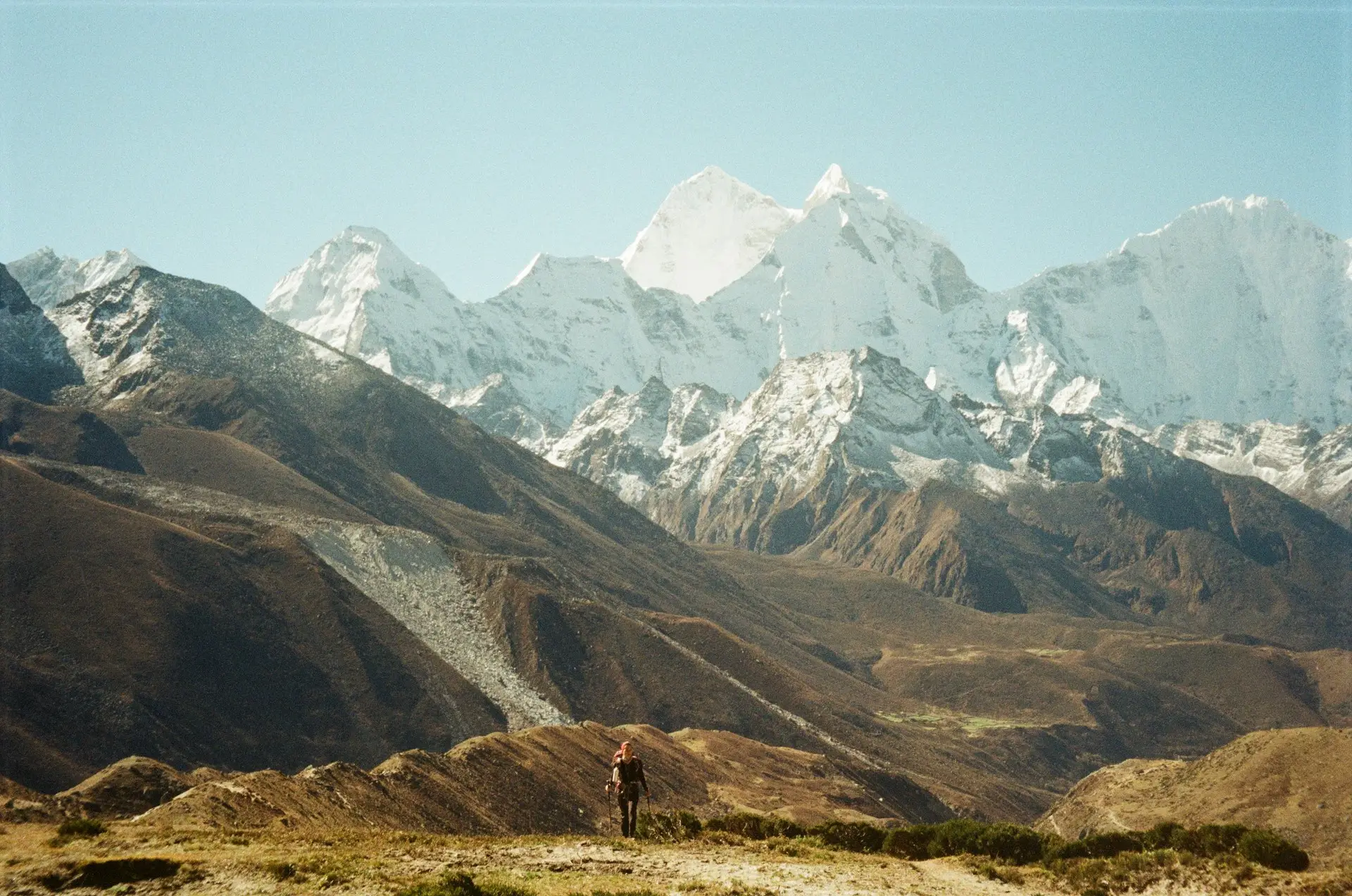
The Three Passes Trek is one of the most challenging and rewarding trekking routes in Nepal. It is a high mountain trek located in the Everest region, also known as the Khumbu region. This area lies in the northeastern part of Nepal and is home to some of the world’s tallest mountains, including Mount Everest. The trek takes travelers deep into the heart of the Himalayas, where the land is wild, quiet, and full of natural beauty.
This trek is called the Three Passes Trek because it crosses three high mountain passes. These passes are Kongma La Pass, Cho La Pass, and Renjo La Pass. Each pass is over 5,000 meters high, which makes the journey physically demanding. Trekkers walk over rocky trails, glaciers, and snowy paths while moving from one valley to another. Crossing these passes gives a strong feeling of achievement, especially for people who enjoy difficult and adventurous treks.
The route of the Three Passes Trek starts and ends in the Everest region, usually after flying to Lukla. From there, trekkers walk through famous Sherpa villages like Namche Bazaar, Dingboche, and Gokyo. Along the way, the trail passes high mountain lakes, wide valleys, and quiet villages that are less crowded than the main Everest Base Camp route. This makes the trek more peaceful and closer to nature.
What makes this trek special for adventure lovers is the combination of high altitude, long walking days, and changing landscapes. One day you may walk beside glaciers, and the next day you may climb a steep pass with snow under your feet. The Three Passes Trek also offers wide mountain views, including Everest, Lhotse, Makalu, and Cho Oyu. These views come as a reward after hard walking and careful effort.
The Three Passes Trek is not just about reaching one destination. It is about crossing remote areas and understanding life in the high Himalayas. The trail connects different valleys and gives trekkers a full experience of the Everest region. For people who love adventure, strong walking challenges, and real mountain life, this trek offers a deep and meaningful journey through one of Nepal’s most beautiful trekking areas.
Why the Three Passes Trek Is Perfect for Adventure Lovers
The Three Passes Trek is a top choice for people who truly love adventure and want more than a normal mountain walk. This trek is not easy, and that is exactly why many trekkers choose it. It takes you over high mountain passes, through remote valleys, and across trails that test both the body and the mind. For adventure lovers, these challenges are part of the joy.
One of the main reasons this trek feels adventurous is the height of the mountain passes. Each pass rises above 5,000 meters, where the air is thin and walking becomes harder. Trekkers must move slowly and carefully, especially while climbing steep sections. Reaching the top of a high pass after hours of effort gives a strong feeling of achievement that easier treks cannot offer.
Long walking days are another reason why the Three Passes Trek attracts adventure seekers. On many days, trekkers walk for six to eight hours or even more. The trail often goes up and down, crossing rocky paths, glaciers, and narrow mountain routes. These long days demand good fitness and patience, which makes the journey feel real and rewarding for those who enjoy pushing their limits.
Snow-covered trails add another layer of adventure to the trek. Depending on the season, trekkers may walk on snow while crossing the high passes. Using careful steps and sometimes simple safety equipment becomes part of the experience. Walking through snow with tall mountains all around creates a strong mountain feeling that adventure lovers look for.
Quiet and less crowded paths also make this trek special. Unlike popular routes, the Three Passes Trek takes trekkers away from busy trails and into peaceful areas. Many parts of the route feel remote, with only a few trekkers passing by each day. This silence helps people feel more connected to nature and the mountains, which adds to the adventure.
The Three Passes Trek also requires planning and self-discipline. Trekkers must manage their energy, adjust to high altitude, and stay focused on each day’s walk. Weather changes, cold mornings, and simple mountain lodges make the journey more real and less comfortable than easy treks. For adventure lovers, these conditions make the experience richer and more memorable.
Compared to easier treks with short days and gentle paths, the Three Passes Trek offers a full mountain challenge. It combines physical effort, mental strength, and natural beauty into one long journey. This is why people who love true adventure often choose this trek when they want to experience the Himalayas in a deeper and more demanding way.
Three High Passes You Cross During the Trek
The Three Passes Trek is named after the three high mountain passes that trekkers cross during the journey. Each pass is over 5,000 meters high and offers a different walking experience and mountain view. Crossing these passes is both challenging and rewarding, making the trek special for people who enjoy real mountain adventure.
The first pass many trekkers cross is Kongma La Pass. This pass is one of the highest on the route, standing above 5,500 meters. The trail to the top feels steep and rocky, with loose stones underfoot. Walking here requires slow steps and steady breathing. From the top of Kongma La Pass, trekkers can see wide views of glaciers, sharp peaks, and deep valleys. The open landscape makes you feel small in front of the mountains, which is a strong and memorable feeling.
Cho La Pass is another important part of the Three Passes Trek. This pass is known for its icy and snowy trail, especially in colder months. The path includes rocky climbs and a short section of glacier crossing. Walking over this pass feels adventurous because the surface can be slippery, and careful movement is needed. From the top, trekkers enjoy views of nearby peaks and the beautiful turquoise lakes of the Gokyo valley below. The mix of snow, ice, and mountain views makes this pass very exciting.
The third pass is Renjo La Pass, which is slightly lower than the other two but still above 5,300 meters. The trail to Renjo La is quieter and feels more peaceful. The climb is steady, and the path is often covered with stones and sometimes snow. From the top of Renjo La Pass, trekkers get one of the best views on the Three Passes Trek. The Gokyo lakes shine below, and mountains like Everest, Lhotse, and Makalu can be seen on clear days.
Each pass on the Three Passes Trek has its own character and challenge. The trails test strength and patience, while the views reward every step taken uphill. Walking over these high passes is not just about reaching the top but about experiencing the wild beauty of the Everest region in a deep and personal way.
Daily Life on the Three Passes Trek
Daily life on the Three Passes Trek follows a simple and steady routine that helps trekkers adjust to the mountains. Each day starts early, usually around sunrise. Mornings in the Himalayas are cold and quiet, with clear skies and fresh air. Trekkers wake up in tea houses, pack their bags, and prepare for the day’s walk. Breakfast is warm and filling, often including porridge, eggs, bread, or Tibetan-style bread with tea.
After breakfast, the walking day begins. On the Three Passes Trek, most days include five to eight hours of walking, depending on the route and altitude. The trail may go uphill, downhill, or across open valleys. Walking is slow and steady, with short breaks to rest, drink water, and enjoy the mountain views. Trekkers learn to listen to their bodies and keep a comfortable pace, especially at higher elevations.
Lunch is usually taken at a small tea house along the trail or in a village. Meals are simple but filling, such as rice, lentils, noodles, soup, or potatoes. Hot drinks like tea and coffee help keep the body warm. These meal stops are also a good time to relax, chat with fellow trekkers, and regain energy before continuing the walk.
By late afternoon, trekkers reach the next village or resting place. Tea houses are basic but comfortable, offering a bed, blanket, and warm meals. After checking in, many trekkers rest in the dining area, drink tea, or enjoy the views outside. On the Three Passes Trek, evenings are quiet, as the body feels tired after a long day. Dinner is usually eaten early, and it is often similar to lunch but served hot and fresh.
Resting in villages is an important part of daily life on the Three Passes Trek. These villages give trekkers a chance to recover and adjust to the altitude. Nights are cold, and electricity and hot water may be limited. Trekkers often go to bed early, wrapped in warm clothes, ready for another early start. This daily routine of walking, eating, and resting helps trekkers stay healthy and prepared for the challenges of the high mountain passes ahead.
Who Should Do the Three Passes Trek
The Three Passes Trek is best suited for trekkers who are looking for a serious mountain challenge. This trek is not a short or easy walk. It demands good physical fitness, steady walking ability, and the willingness to face long and tiring days in high altitude areas. People who enjoy pushing themselves and exploring remote mountain regions often find this trek very rewarding.
Trekkers with previous trekking experience are more suitable for the Three Passes Trek. Those who have already completed high altitude treks, such as Everest Base Camp trek or other multi-day Himalayan routes, will feel more confident on this trail. Experience helps trekkers understand how their body reacts to altitude, cold weather, and long walking hours. Knowing how to manage pace, breathing, and rest makes a big difference on this trek.
Good fitness is important for this journey. Trekkers should be comfortable walking for six to eight hours a day while carrying a small backpack. The trail often includes steep climbs, rocky paths, and uneven ground. Strong legs, good balance, and overall stamina help trekkers move safely and enjoy the experience. The Three Passes Trek also requires walking at high altitude, where even simple movement can feel harder.
Mental strength is just as important as physical fitness. Weather can change quickly, mornings can be cold, and some days may feel long and tiring. Trekkers need patience and a positive mindset to handle these conditions. Staying calm while crossing high passes and dealing with basic living conditions is part of the experience. The Three Passes Trek is ideal for people who enjoy challenges and can stay focused even when the trek becomes difficult.
Beginners can still do this trek, but they need more preparation. Training before the trip, learning about altitude sickness, and building endurance through regular walking or hiking are very important. People who prefer comfort, short walking days, or easy trails may find this trek too demanding. This trek suits those who are ready to prepare well and commit to a tough but meaningful mountain journey.
Make an Inquiry

 January 8, 2025
Everest View Trek / Everest Panorama Trek
The most amazing option for anyone wishing to see the Everest Region is the Everest View Trek.
 December 18, 2024
Everest Base Camp Trek 15 Days
Trek to Everest Base Camp for stunning Himalayan views, cultural immersion and a life-changing adventure to the heart of the...
 January 2, 2025
Everest Base Camp Trek with Gokyo Lake
Everest Gokyo Lake trek offers you a less crowded route to see Mount Everest.


