Everest Three High Pass Trek
Everest Three High Pass Trek: Itinerary and Cost for 2026 /2027

Trip Duration
19 Days

Country
Nepal

Region
Everest

Activities
Trekking

Grade
Challenging

Max Altitude
5,643 m

Best Season
Sep-Dec & Feb- May

Accomodation
Hotel and Teahouse

Meals
Breakfast, Lunch and Dinner

Start-End Point
Kathmandu-Kathmandu

Group Size
1-20

Transportation
Flight
Everest Three High Pass Trek Overview
Everest Three Passes Trek – Ultimate Himalayan Adventure
The Everest Three Passes Trek is an extraordinary high-altitude adventure through the heart of Nepal’s Khumbu region, designed for trekkers who want to experience the Everest Himalayas beyond the classic trail. This challenging and rewarding circuit crosses three spectacular mountain passes—Kongma La (5,535 m), Cho La (5,420 m), and Renjo La (5,360 m)—while taking you through remote valleys, traditional Sherpa villages, dramatic glaciers, and some of the most breathtaking landscapes in the Everest region.
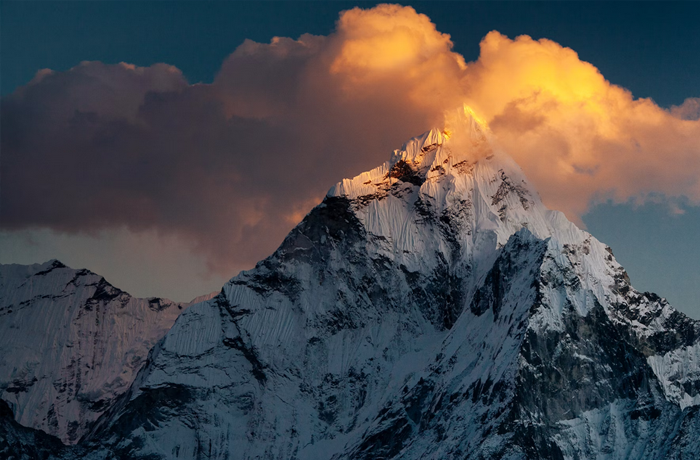
The journey combines several of the Khumbu’s greatest highlights in one unforgettable adventure, including Everest Base Camp, Kala Patthar, Gokyo Lakes, Gokyo Ri, and the Ngozumpa Glacier. Along the way, you’ll enjoy panoramic views of legendary Himalayan peaks such as Mount Everest, Lhotse, Makalu, Cho Oyu, Ama Dablam, and Nuptse. Each section of the route offers a different perspective of the mountains, from rugged high passes and glacial valleys to peaceful turquoise lakes and remote Himalayan settlements.
What makes the Everest Three Passes Trek truly special is the variety of landscapes and experiences along the route. From the lively mountain town of Namche Bazaar, the trail leads deeper into the Khumbu, connecting spectacular valleys that are rarely experienced on a standard Everest Base Camp trek. Crossing Kongma La, Cho La, and Renjo La is physically demanding, but each pass rewards you with dramatic views of glaciers, snow-covered peaks, and vast Himalayan valleys.
The trek is also a journey into the heart of Sherpa culture and Himalayan heritage. Along the trail, you’ll pass traditional villages, Buddhist monasteries, prayer wheels, mani walls, chortens, and colorful prayer flags while experiencing the warm hospitality of local mountain communities. Staying in family-run teahouses adds an authentic connection to everyday life in the Himalayas.
For adventurous trekkers, the Everest Three Passes Trek offers far more than a journey to Everest Base Camp. It is a complete Himalayan experience combining high mountain passes, iconic peaks, glacial landscapes, turquoise lakes, Sherpa culture, and unforgettable mountain views. With Best Trek & Adventure, you can explore this demanding route with experienced local support and thoughtful planning focused on safety, acclimatization, and making the most of your time in the Everest region.
The Three High Passes of the Everest Region
The three passes are the defining feature of this trek. Each has its own landscape and character, and conditions can vary depending on weather and season.
Kongma La Pass – 5,535 m
Kongma La Pass is the highest of the three passes and one of the most demanding sections of the route.
At approximately 5,535 meters, the pass crosses a remote high-altitude landscape between the Chhukung area and the Lobuche side of the Khumbu. The trail can involve steep climbs, rocky ground, loose stones, snow and icy sections depending on current conditions.
There are no regular teahouses on the pass itself, so trekkers normally begin early and need to be properly prepared with enough water, food and appropriate clothing.
The effort is rewarded with spectacular mountain scenery. Depending on visibility and route conditions, the surrounding panorama includes Lhotse, Nuptse, Makalu, Ama Dablam and extensive glacier and valley views.
Kongma La is a true wilderness experience. The trail is quieter than the main Everest Base Camp route, making the crossing feel particularly adventurous.
Cho La Pass – 5,420 m
At approximately 5,420 meters, Cho La Pass is another demanding and spectacular section of the Three Passes circuit.
Cho La connects the Dzongla area with the Gokyo Valley and takes trekkers through rugged high-altitude terrain. The route includes steep sections, rocky trails and potentially snowy or icy ground near the pass.
Mountain conditions can change quickly at this elevation, so an early start, careful pacing and appropriate preparation are important.
The scenery around Cho La is outstanding, with dramatic peaks and glaciers surrounding the route. Depending on conditions and viewpoint, trekkers can see Cholatse, Lobuche, Ama Dablam and other Himalayan peaks.
The descent toward Gokyo then brings an exciting change in scenery as the rugged high pass gives way to the glacial landscape of the Gokyo Valley.
Renjo La Pass – 5,360 m
Renjo La Pass, approximately 5,360 meters high, is the final major pass of the classic Three Passes circuit.
The route climbs from the Gokyo region through open alpine terrain before reaching the pass. Although the ascent is challenging because of the altitude, the panoramic views from the top make the effort worthwhile.
From Renjo La, trekkers can enjoy impressive views toward Mount Everest, Lhotse, Makalu and Cho Oyu. The Gokyo Lakes and surrounding mountains create an especially dramatic landscape below.
After crossing the pass, the trail descends toward Thame, one of the quieter and culturally significant valleys of the Khumbu.
Renjo La is often remembered for its combination of wide Himalayan views, solitude and the striking Gokyo landscape.
Everest Base Camp and Kala Patthar
The Three Passes Trek isn’t only about crossing high mountain passes. It also includes two of the most famous destinations in the Everest region.
Everest Base Camp
Reaching Everest Base Camp at approximately 5,364 meters is a major highlight of the journey.
The base camp sits beneath the spectacular Khumbu Icefall and provides a close connection to the mountaineering history of Mount Everest.
Standing at Base Camp after trekking through the Khumbu is a memorable achievement, particularly because the Three Passes route takes you through remote valleys before arriving at this iconic destination.
Kala Patthar
The hike to Kala Patthar provides one of the most famous viewpoints in the Everest region.
From the higher viewpoint, trekkers can enjoy impressive views of Mount Everest, Nuptse, Pumori and the Khumbu Icefall.
The early morning light can create especially dramatic conditions over the surrounding peaks, making Kala Patthar a favorite viewpoint for photographers and mountain lovers.
Gokyo Lakes and Gokyo Ri
One of the major advantages of the Three Passes route is that it includes the beautiful Gokyo Valley.
Gokyo Lakes
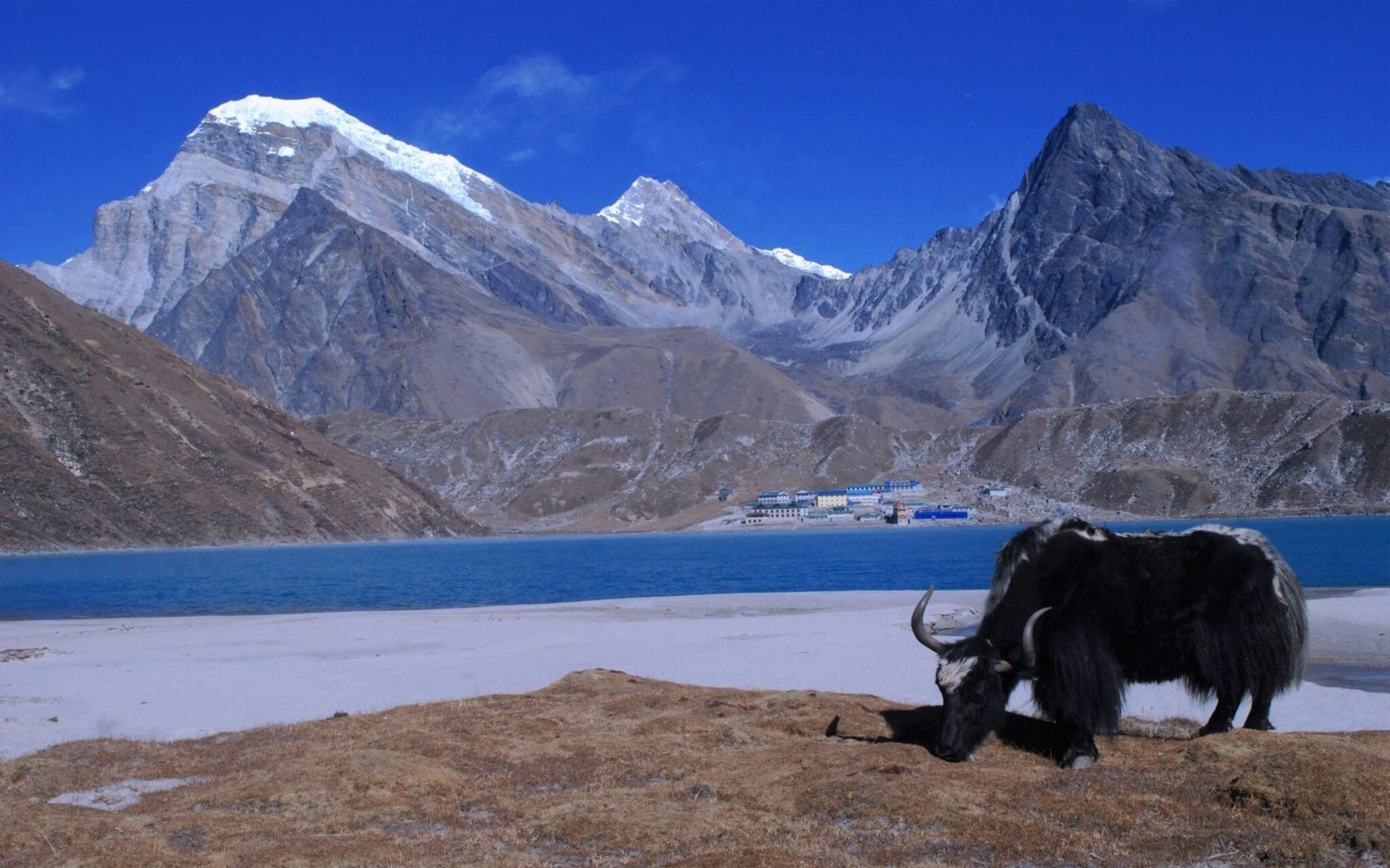
The Gokyo Lakes are a collection of striking turquoise glacial lakes surrounded by enormous Himalayan peaks.
The contrast between the blue-green water, rocky mountain slopes and snow-covered summits makes the Gokyo Valley one of the most visually impressive areas of the Khumbu.
The valley also provides access to the Ngozumpa Glacier, one of the most significant glacier systems in the region.
Gokyo Ri
The climb to Gokyo Ri provides another outstanding Himalayan viewpoint.
From the summit area, trekkers can enjoy broad views toward Everest, Lhotse, Makalu and Cho Oyu, as well as the Gokyo Valley and surrounding glaciers.
For many trekkers, the combination of Gokyo Lakes and Gokyo Ri is one of the defining highlights of the entire Three Passes experience.
Sherpa Culture and Himalayan Villages
The Everest Three Passes Trek is about more than altitude and mountain scenery.
The Khumbu is home to the Sherpa communities, whose culture and Buddhist traditions are deeply connected with the Himalayan landscape.
Throughout the journey, you will encounter traditional villages, Buddhist monasteries, prayer wheels, mani walls, chortens and colorful prayer flags.
Villages such as Namche Bazaar, Dingboche, Gokyo and Thame provide opportunities to experience the distinctive architecture, hospitality and daily life of Himalayan communities.
For us at Best Trek & Adventure, experiencing the people and culture of the region is an important part of the journey—not simply something to pass through on the way to the next mountain.
Buddhist Monasteries and Spiritual Heritage
The Khumbu landscape is filled with signs of its Buddhist heritage.
Prayer flags flutter from bridges and mountain passes, mani stones line sections of the trail, and monasteries provide spiritual centers for local communities.
Depending on the exact itinerary, trekkers may encounter important Buddhist sites and monasteries throughout the region.
Traveling respectfully through these communities is essential. Visitors should follow local customs, ask before photographing people or religious ceremonies, and avoid disturbing religious objects or practices.
Why Trek with Best Trek & Adventure?
At Best Trek & Adventure, we believe a successful Himalayan trek is about more than reaching the destination.
It is about having the right information before you leave, experienced local support on the trail, responsible planning and a team that understands the realities of trekking in the mountains.
For the Everest Three Passes Trek, we focus on:
Experienced Local Support
Our local trekking team understands the Khumbu environment, mountain trails and challenges of high-altitude trekking.
Safety-Focused Planning
High-altitude trekking requires careful planning. We emphasize sensible pacing, acclimatization and monitoring conditions throughout the journey.
Personalized Service
We can tailor the trek according to your travel dates, group size, experience and preferred pace where possible.
Local Knowledge
Traveling with a local team gives you a deeper connection to the people, culture and landscapes of the Everest region.
Responsible Trekking
We encourage respectful travel that supports local communities and helps protect the fragile Himalayan environment.
Highlights of Everest Three Passes Trek
- Kongma La Pass (5,535 m / 18,159 ft): Conquer the highest and most rugged pass on the route, connecting Chhukung to Lobuche.
- Cho La Pass (5,420 m / 17,782 ft): Traverse a dramatic high-altitude glacier pass connecting Dzongla with the Gokyo Valley.
- Renjo La Pass (5,360 m / 17,585 ft): Cross the western pass for panoramic views over the Gokyo Lakes and Everest range.
- Everest Base Camp (5,364 m / 17,598 ft): Walk up to the iconic staging ground at the foot of Mount Everest and the Khumbu Icefall.
- Kala Patthar (5,545 m / 18,192 ft): Reach the ultimate sunrise viewpoint for unobstructed close-up views of Everest, Nuptse, and Lhotse.
- Gokyo Ri (5,357 m / 17,575 ft): Summit a premier vantage point with 360° views of four 8,000-meter peaks (Everest, Lhotse, Makalu, Cho Oyu).
- Gokyo Lakes: Explore the pristine series of high-altitude turquoise freshwater lakes.
- Ngozumpa & Khumbu Glaciers: Trek across and alongside the largest and longest glaciers in the Himalayas.
- Namche Bazaar (3,440 m / 11,286 ft): Experience the bustling Sherpa capital with vibrant markets, bakeries, and mountain culture.
- Thame Village (3,880 m / 12,730 ft): Discover a tranquil, historic Sherpa village along the old salt-trade route to Tibet.
- Scenic Lukla Mountain Flight: Enjoy a thrilling flight into Lukla, the Gateway to Mount Everest.
Everest Three High Pass Trek Trip Route Overview
-
Day 01: Arrival in Kathmandu — 1,350 m / 4,429 ft
-
Day 02: Trek Preparation & Equipment Check in Kathmandu — 1,350 m / 4,429 ft
-
Day 03: Scenic Flight to Lukla (2,840 m / 9,318 ft) & Trek to Phakding / TokTok — 2,610 m to 2,700 m / 8,563 ft to 8,858 ft
-
Day 04: Trek from Phakding/TokTok to Namche Bazaar — 3,440 m / 11,286 ft
-
Day 05: Acclimatization Day at Namche Bazaar — 3,440 m / 11,286 ft
-
Day 06: Trek from Namche Bazaar to Tengboche / Deboche — 3,867 m / 12,687 ft
-
Day 07: Trek from Tengboche/Deboche to Dingboche — 4,410 m / 14,469 ft
-
Day 08: Second Acclimatization Day at Dingboche — 4,410 m / 14,469 ft
-
Day 09: Short Trek from Dingboche to Chhukung — 4,730 m / 15,518 ft
-
Day 10: Cross Kongma La Pass (5,535 m / 18,159 ft) & Trek to Lobuche — 4,940 m / 16,207 ft
-
Day 11: Trek from Lobuche to Gorak Shep (5,164 m / 16,942 ft) & Visit Everest Base Camp (5,364 m / 17,598 ft)
-
Day 12: Morning Hike to Kala Patthar (5,545 m / 18,192 ft) & Trek to Dzongla — 4,830 m / 15,846 ft
-
Day 13: Cross Cho La Pass (5,420 m / 17,782 ft) & Trek to Thaknak / Dragnag — 4,700 m / 15,420 ft
-
Day 14: Trek from Thaknak to Gokyo Village & Gokyo Lakes — 4,790 m / 15,715 ft
-
Day 15: Morning Hike to Gokyo Ri (5,357 m / 17,575 ft) & Rest at Gokyo — 4,790 m / 15,715 ft
-
Day 16: Cross Renjo La Pass (5,360 m / 17,585 ft) & Trek to Marlung / Thame — 3,880 m / 12,730 ft
-
Day 17: Trek from Thame / Marlung back to Namche Bazaar — 3,440 m / 11,286 ft
-
Day 18: Trek from Namche Bazaar to Lukla — 2,840 m / 9,318 ft
-
Day 19: Fly back from Lukla to Kathmandu (1,350 m / 4,429 ft) & Transfer to Hotel
Everest Three High Pass Trek Itinerary
Expand AllWelcome to Nepal! On the first day of your Everest Three Passes Trek, you arrive in Kathmandu, the vibrant capital of Nepal, situated at approximately 1,400 m (4,593 ft) above sea level.
Upon arrival at Tribhuvan International Airport, our representative will welcome you and transfer you to your hotel. After your journey, you can take some time to relax and recover. If you feel energetic, you can explore the nearby streets, browse local shops, or experience the lively atmosphere of Kathmandu.
This is also a good opportunity to prepare for the trek ahead. You can check your trekking gear, organize your backpack, purchase any last-minute essentials, and meet your trekking guide. In the evening, enjoy a relaxing meal and get a good night’s rest before your adventure into the Everest region begins.
Max Altitude:
1350 m/ 4,593 ft
Duration:
30-35 m
Accommodation:
3 Star Hotel
Today, you have the option to explore the cultural highlights of Kathmandu or use the day to make final preparations for your Everest Three Passes Trek.
If you choose to explore the city, you can visit some of Kathmandu’s most important cultural and religious landmarks, including Swayambhunath (Monkey Temple), Pashupatinath Temple, and Boudhanath Stupa. These historic sites offer an introduction to Nepal’s rich cultural and spiritual heritage, with beautiful architecture, traditional rituals, and a glimpse into everyday life in the Kathmandu Valley.
Alternatively, you can use the day to prepare for the trek. Check your equipment, purchase any last-minute essentials, organize your backpack, and meet with your trekking guide. Your guide can also brief you about the route, daily walking conditions, safety considerations, and what to expect during the journey.
In the evening, enjoy a relaxed meal and get a good night’s sleep. Tomorrow, your Himalayan adventure begins as you leave Kathmandu and head toward the Everest region.
Max Altitude:
1400 M / 4,593 ft
Duration:
5-6 Hours
Accommodation:
3 Star Hotel
Meals:
Breakfast
The flight to Lukla normally takes off in the morning, which is also safer because you’ll be flying above jagged cliffs and a diverse landscape. We prefer and recommend morning flights because they avoid the severe wind and the weather is clearer.
After landing in Lukla and taking some time to rest, you’ll go to Phakding across the Dudh Koshi River and a suspension bridge. On the way, you’ll see chortens, mani stones, and prayer flags.
On the first day of the trial, you will begin to see spectacular mountains such as Karyolung, Nupla, and Gongla. You will pause at many breaks for tea or lunch. You will spend the night in Phakding.
(Note: During the high tourist season months (October and November, March to May) , Kathmandu–Lukla flights are often operated from Ramechhap (Manthali) Airport to manage heavy air traffic at Kathmandu’s Tribhuvan Domestic Airport. Lukla flights require early-morning schedules and clear weather windows, which are difficult to accommodate amid Kathmandu’s congestion. Manthali Airport is less crowded and closer to the Himalayan flight corridor, improving punctuality and safety. Shifting flights helps reduce delays, flight cancellations, and air traffic pressure in Kathmandu, ensuring smoother operations for trekkers traveling to the Everest region during peak seasons. Manthali airport is about 4-5 hours drive from Kathmandu.) For more details WhatsApp us: +9779851048567
Trek Distance:
8 km / 5 mi
Max Altitude:
Lukla (2,830m) / 9,318 ft
Duration:
Flight Duration: 35 min /Trek Duration: 3-4 Hours
Accommodation:
Local Hotel
Meals:
Breakfast, Lunch, Dinner
Today, you continue your Everest Three Passes Trek from Phakding toward Namche Bazaar (3,440 m / 11,286 ft), the vibrant gateway to the Everest region. The trek takes approximately 5–6 hours, with a gradual increase in elevation and several steeper sections along the way.
The trail follows the Dudh Koshi River through beautiful pine and rhododendron forests, passing traditional Sherpa villages and crossing several suspension bridges decorated with colorful prayer flags. Along the way, you may see yaks and porters carrying supplies between mountain communities.
As you climb higher, the landscape becomes increasingly dramatic, with closer views of the surrounding Himalayan peaks. After crossing the famous Namche entrance area, the trail climbs toward the amphitheater-shaped town of Namche Bazaar.
Namche is the main trading and cultural center of the Khumbu region, with teahouses, cafés, bakeries, shops, and local markets. After checking into your teahouse, you can relax and explore the town at a comfortable pace. On clear days, you may also catch your first distant views of Mount Everest and other major Himalayan peaks.
Trek Distance:
11 km / 6.8 m
Max Altitude:
Namche (3,440m) / / 11,286 ft
Duration:
5-6 Hours
Accommodation:
Local Hotel
Meals:
Breakfast, Lunch, Dinner
Situated at 3,440 meters, Namche Bazaar serves as the ideal location for your first major acclimatization day, allowing your body to adapt safely to the thinning air before pushing deeper into the upper Khumbu region. Following the core high-altitude principle of climbing high and sleeping low, the morning features a guided hike up to the Everest Viewpoint and the Hotel Everest View area. Winding through pine forests, the trail opens to sweeping, unobstructed panoramic views of monumental Himalayan peaks, including Mount Everest, Lhotse, Nuptse, and the striking spire of Ama Dablam. This excursion provides an exceptional setting for photography and close-up mountain appreciation while actively stimulating your physical adaptation.
The afternoon offers free time to return to the vibrant horseshoe-shaped amphitheater of Namche Bazaar. You can explore local artisan shops, visit the Sherpa Culture Museum, or relax in a cozy mountain bakery. Later in the day, your guide will lead a comprehensive altitude health briefing, reviewing symptom monitoring, hydration strategies, and safety protocols to ensure you feel confident and fully prepared for the demanding terrain ahead.
Trek Distance:
4 km to 5 km / 2.5 to 3.1 mi
Max Altitude:
Everest View Area 3,880 m / 12,730 ft
Duration:
Acclimatization Hike 3 to 4 hours
Accommodation:
local hotel
Meals:
breakfast, lunch, dinner
Leaving Namche Bazaar, the trail ascends gradually through fragrant pine and rhododendron forests, offering early views of the high Himalayas. The route crosses suspension bridges over mountain streams and passes small Sherpa settlements alongside fluttering prayer flags and yak caravans. By afternoon, arrive at Tengboche to visit the region’s largest monastery. The village provides a tranquil spiritual setting framed by breathtaking panoramic views of Mount Ama Dablam, Everest, Lhotse, and Nuptse.
Trek Distance:
9.5 km / 6.0 mi
Max Altitude:
Tengboche 3,860 m / / 12,664 ft
Duration:
5 to 6 hours
Accommodation:
local hotel
Meals:
breakfast, lunch , dinner
Leaving Tengboche behind, the trail descends briefly through a quiet stretch of birch and rhododendron forest to Deboche, before crossing the Imja Khola River on a suspension bridge. The path then climbs gently past Pangboche—home to the region’s oldest monastery—and continues upward through open fields and stone-walled potato patches into the broader Imja Valley. As trees give way to sparse alpine scrub, the surrounding mountain views expand dramatically, showcasing the towering faces of Ama Dablam, Lhotse, and Island Peak. Arriving in the wide windswept valley of Dingboche, settle into a comfortable teahouse to rest, recover, and adapt to the higher elevation ahead of the upcoming high-pass crossings.
Trek Distance:
10.5 km / 6.5 mi
Max Altitude:
Dingboche 4,410 m / 14,469 ft
Duration:
5 to 6 hours
Accommodation:
local hotel
Meals:
breakfast,lunch,dinner
Ascending out of the wide Imja Valley, the trail follows a gradual, steady climb along rocky paths and glacial moraines toward Chhukung. As the landscape grows increasingly rugged and alpine, the air becomes noticeably thinner, revealing closer perspectives of towering peaks such as Ama Dablam, Lhotse, and Nuptse. Passing traditional summer pastures and yak herder huts, arrive at the peaceful high-altitude settlement of Chhukung, which serves as a key staging post for climbers tackling Island Peak and Chhukung Ri, offering a quiet environment to rest and further adapt to the altitude.
Trek Distance:
5 km / 3.1 mi
Max Altitude:
Chhukung 4,730 m / 15,518 ft
Duration:
3 to 4 hours
Accommodation:
local hotel
Meals:
breakfast,lunch,dinner
Serving as a dedicated acclimatization day, Chhukung provides an essential opportunity to adapt to the thin high-altitude air before tackling the demanding high mountain passes ahead. The morning features a steep, rewarding hike up to the summit of Chhukung Ri, taking approximately 3 to 4 hours of steady climbing.
Scaling the rocky ridge rewards physical effort with expansive, unobstructed panoramic views of monumental Himalayan peaks, including Lhotse, Nuptse, Ama Dablam, and Island Peak, alongside dramatic alpine glaciers and the vast Imja Valley. After capturing photographs and soaking in the sweeping scenery from the high vantage point, descend back to the peaceful village of Chhukung for a restful evening, warm meals, and continued physiological adaptation.
Trek Distance:
4 km to 5.5 km / 2.5 to 3.4 mi
Max Altitude:
Chhukung Ri 5,550 m /15,518 ft
Duration:
4 to 5 hours
Accommodation:
local hotel
Meals:
breakfast ,lunch, dinner
Marking one of the most demanding and rewarding stages of the entire expedition, this day features the crossing of Kongma La Pass, the highest of the three high mountain passes. The route ascends steadily across rugged boulder fields, glacial moraines, and high-altitude terrain. Careful pacing is essential as the trail climbs toward the summit of the pass, where prayer flags mark the crest and reward the physical effort with breathtaking, sweeping vistas of Everest, Lhotse, Makalu, and Ama Dablam.
Following the pass crossing, the trail descends steeply past high alpine glacial lakes before stabilizing as it joins the main Khumbu trail leading into Lobuche. The evening is spent in a cozy mountain teahouse, providing a much-needed opportunity to rest and recover from a long, full-day alpine crossing.
Trek Distance:
11 km to 12 km / 6.8 to 7.5 mi
Max Altitude:
Lobuche 4,940 m / 16,207 ft
Duration:
7 to 8 hours
Accommodation:
local hotel
Meals:
breakfast ,lunch , dinner
Departing Lobuche, the trail traverses rugged moraine ridges and glacial debris alongside the Khumbu Glacier toward Gorak Shep, the final cluster of teahouses on the route. After a brief rest, the journey continues onward to Everest Base Camp. The path weaves through striking ice pinnacles, dry lakebeds, and moraine slopes framed by the imposing faces of Pumori, Nuptse, and Everest.
Arriving at Everest Base Camp places you directly at the foot of the legendary Khumbu Icefall, where expedition tents dot the glacial landscape during peak climbing seasons. After soaking in the historic atmosphere and capturing photographs of this monumental milestone, retrace your steps back to Gorak Shep for an overnight stay, positioning you securely for the next morning’s ascent.
Trek Distance:
11 km to 13 km / 6.8 to 8.1 mi
Max Altitude:
Everest Base Camp 5,364 m / 17,598 ft
Duration:
6 to 8 hours
Accommodation:
local hotel
Meals:
breakfast , lunch , dinner
Rising before dawn, the morning begins with a challenging yet extraordinary climb up to the summit of Kala Patthar at 5,554 meters. Winding up the steep, gravelly ridge rewards the early physical effort with one of the most iconic panoramas in the Himalayas: a golden sunrise washing over the towering faces of Mount Everest, Lhotse, Nuptse, and Ama Dablam.
After returning to Gorak Shep for a warm breakfast, the journey continues by retracing steps past Lobuche before branching westward onto the quiet, scenic trail toward Dzongla. Skirting the valley walls beneath towering ice faces, the route leads down to the peaceful hamlet of Dzongla, nestled directly beneath the imposing western wall, providing a calm resting place ahead of the upcoming Cho La Pass crossing.
Trek Distance:
13 km to 14 km / 8.0 to 8.7 mi
Max Altitude:
Kala Patthar Summit 5,554 m / 18,222 ft
Duration:
6 to 7 hours
Accommodation:
local hotel
Meals:
breakfast , lunch , dinner
Marking one of the most physically demanding yet thrilling stages of the expedition, the route from Dzongla to Gokyo requires crossing the high and rugged Cho La Pass. The journey begins with a steep, steady climb over rocky terrain and glacial boulders, leading up to a small, icy summit glacier where careful pacing and proper traction gear are essential.
Reaching the crest of Cho La Pass at 5,420 meters provides an extraordinary sense of accomplishment, framed by dramatic panoramic views of Ama Dablam, Cholatse, Lhotse, and surrounding alpine peaks. Following the steep and challenging descent across loose scree, the path levels out as it crosses the massive Ngozumpa Glacier, eventually leading down to the serene shores of Gokyo Lake. The evening offers a tranquil place to rest in a teahouse, surrounded by crystal-clear turquoise waters reflecting the high Himalayan peaks.
Trek Distance:
8 km to 9.5 km / 5.0 to 5.9 mi
Max Altitude:
Cho La Pass Summit 5,420 m / 17,782 ft
Duration:
7 to 8 hours
Accommodation:
local hotel
Meals:
breakfast , lunch , dinner
Serving as a rest and acclimatization day in the stunning glacial basin of Gokyo, today helps your body adjust further to high altitude before continuing the final stages of the journey. The morning features an optional, steep hike up to the summit of Gokyo Ri. Climbing the rugged ridge rewards the effort with grand, sweeping vistas of four towering eight-thousanders—Mount Everest, Lhotse, Makalu, and Cho Oyu—alongside striking views of the emerald-turquoise lakes and the sprawling Ngozumpa Glacier below. The afternoon is spent relaxing by the lakeside village of Gokyo, offering a peaceful atmosphere to recharge, enjoy warm teahouse meals, and absorb the tranquil Himalayan environment.
Trek Distance:
3.5 km to 4.0 km / 2.2 to 2.5 mi
Max Altitude:
Gokyo Ri Summit 5,357 m / 17,575 ft
Duration:
3 to 4 hours
Accommodation:
local hotel
Meals:
breakfast , lunch , dinner
Marking the final high pass of the expedition, the journey from Gokyo to Lungden traverses the dramatic and visually stunning Renjo La Pass. The route begins along the northern shore of the third Gokyo lake before climbing steadily up a steep stone-stair path and rocky ridges. Careful pacing is required as you navigate the thin air and high-altitude terrain toward the crest of the pass. Reaching the summit of Renjo La at 5,360 meters offers an extraordinary panoramic reward: a sweeping, postcard-perfect view looking back over the shimmering turquoise Gokyo Lakes, framed by giant peaks including Mount Everest, Lhotse, Makalu, and Cho Oyu. Following a careful descent down the western slope over stone trails and scree, the path leads down into the remote, peaceful valley settlement of Lungden. The evening is spent resting in a cozy local teahouse, celebrating the successful completion of the three high-pass crossings.
Trek Distance:
10 km to 12 km / 6.2 to 7.5 mi
Max Altitude:
Renjo La Pass Summit 5,360 m / 17,585 ft
Duration:
6 to 7 hours
Accommodation:
local hotel
Meals:
breakfast , lunch , dinner
Leaving the quiet, remote valley of Lungden behind, the trail descends southward along the Bhote Koshi River valley, passing through traditional Sherpa settlements like Thame and open alpine landscapes. Although the journey is predominantly downhill and much easier on the lungs than the high pass days, the extended trail length provides a steady workout for tired legs. Winding through pine forests, terraced fields, and rustic villages where yaks graze, the path eventually leads back into the bustling, familiar amphitheater of Namche Bazaar. Here, you can relax in a comfortable teahouse, celebrate the successful completion of the high passes, and enjoy a warm meal in a vibrant mountain town.
Trek Distance:
15 km to 16 km / 9.3 to 9.9 mi
Max Altitude:
Namche Bazaar 3,440 m / 11,286 ft
Duration:
6 to 7 hours
Accommodation:
local hotel
Meals:
breakfast , lunch , dinner
Marking the final leg of the expedition, the trek from Namche Bazaar back to Lukla retraces familiar paths along the Dudh Koshi river valley. Although the distance is long, the route trends predominantly downward, making it much easier on the lungs than the high-pass days, though it tests the endurance of tired leg muscles. Winding through pine forests, suspension bridges draped in prayer flags, and small Sherpa villages, the trail offers a relaxing pace to absorb the final valley scenery. Arriving in Lukla brings a profound sense of accomplishment and celebration, providing a comfortable teahouse to rest, reflect on the journey, and prepare for the flight back to Kathmandu.
Trek Distance:
18 km / 11.2 mi
Max Altitude:
Lukla 2,860 m / 9,383 ft
Duration:
7 to 8 hours
Accommodation:
local hotel
Meals:
breakfast , lunch , dinner
Leaving the crisp mountain air of Lukla behind, the final morning features a thrilling 25- to 35-minute scenic flight back over deep green valleys, winding rivers, and the snow-capped peaks of the Khumbu region. Depending on the seasonal regulations, flights may land directly at Kathmandu’s Tribhuvan International Airport or at Manthali Airport in Ramechhap, followed by a comfortable overland transfer back to the capital. Upon arrival in Kathmandu, you are transferred directly to your hotel. Transitioning from the remote high Himalayas back to the vibrant energy of the city provides a well-earned opportunity to unpack, enjoy a hot shower, and sleep in a comfortable bed. The evening is yours to celebrate the successful completion of the entire Everest Three Passes Trek with a celebratory dinner, reflecting on the high passes, glaciers, and unforgettable mountains you conquered along the way.
Max Altitude:
Lukla 2,860 m / 9,383 ft
Duration:
20 to 35 minutes (plus a 4–5 hour scenic road transfer if operating via Manthali Airport during peak seasons)
Accommodation:
3 star hotel
Following breakfast at your hotel, wrap up your trip and prepare for your onward journey. A driver will transfer you from your hotel to Tribhuvan International Airport (TIA) approximately three hours prior to your scheduled international flight home. Take these final moments to reflect on the monumental achievements of the Everest Three Passes Trek—from crossing high mountain passes like Kongma La, Cho La, and Renjo La, to standing at Everest Base Camp, summiting Kala Patthar, and experiencing traditional Sherpa hospitality across the Khumbu valley.
Max Altitude:
Kathmandu (1,400 m / 4,593 ft)
Duration:
30 to 45 minutes
Meals:
breakfast
Everest Three High Pass Trek Includes/Exclude
- Arrival from Airport to hotel.
- 3 star category accommodation in Kathmandu days.
- All ground transports as per itinerary.
- Flight tickets from Kathmandu/ Ramechhap to Lukla and return.
- Full board meals with tea/coffee (Breakfast, Lunch, and dinner) during the trek days.
- Bed and breakfast in Kathmandu days.
- One highly experienced, helpful, and friendly guide, porters (1 porter for 2 people), and their food, accommodation, salary, equipment, and accidental insurance for all staff.
- Best available twin sharing lodge to lodge (Tea house) accommodation during the trek
- First aid medical kit.
- Sagarmatha 9Everest) National Park Permits fee.
- Local government tax in Sagarmatha National Park.
- Government taxes and office service charge
- Farewell dinner with cultural show.
- Departure to the airport.
- International Flight tickets.
- Meals not specified in the 'Meal Inclusions' in the itinerary.'
- Travel Insurance
- Lunch and Dinner in Kathmandu Days.
- Nepal entry visa: you can obtain a visa easily upon your arrival at Tribhuwan International Airport in Kathmandu. (a multiple-entry tourist visa good for 30 days can be obtained by paying US $ 40 or equivalent foreign currency. Similarly, multiple-entry tourist visas for 90 days can be obtained by paying US $ 100.)
- Cold Drinks Inc. coke, water, Fanta, etc.
- Snacks and other personal expenses
- Hot showers and internet during the trek except for Phakding, Namche, and Lukla
- Personal trekking equipment
- Any unexpected situation.
- Tips to guide and porter.
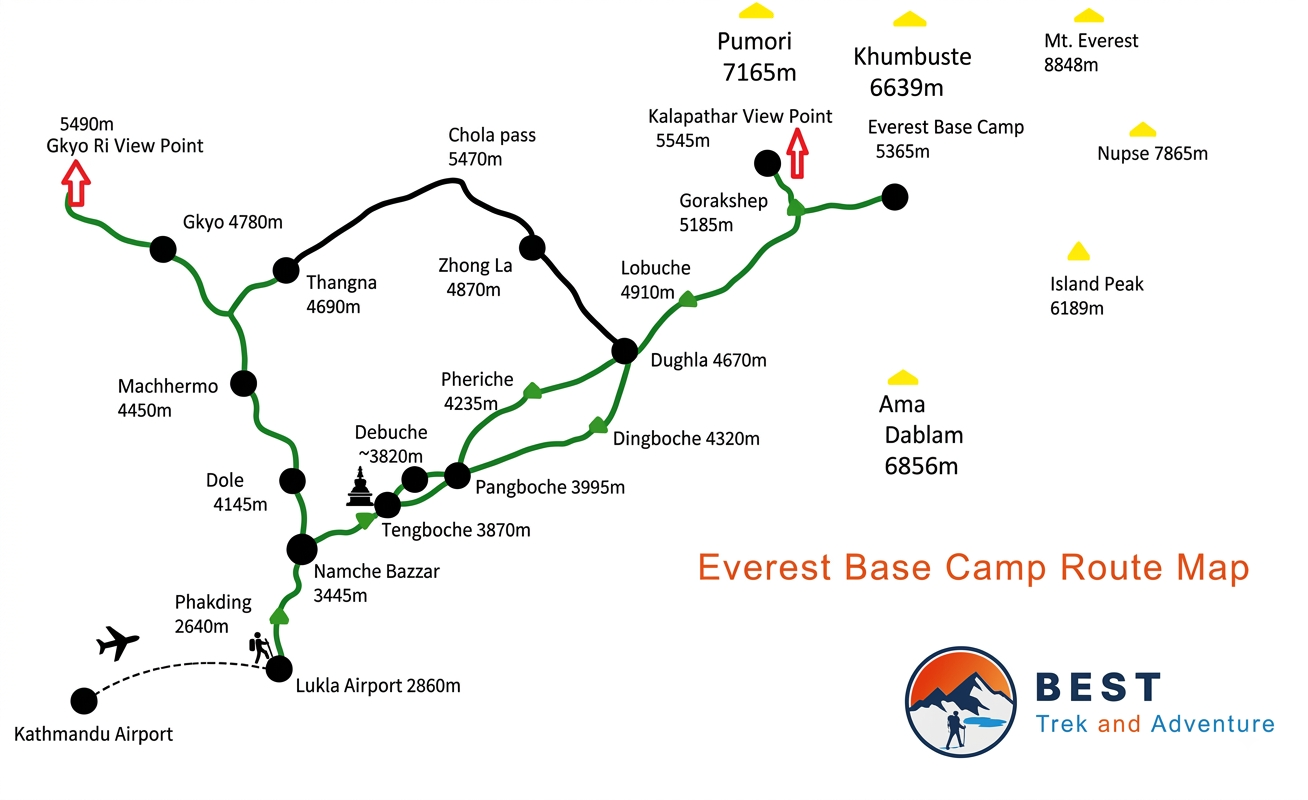
Everest Three High Pass Trek Route Map
Everest Three High Pass Trek Altitude Chart
Everest Three High Pass Trek Gallery/Video
Accommodation on the Everest Three Passes Trek
Accommodation is generally provided in local teahouses and mountain lodges.
These are simple mountain accommodations operated largely by local families. Rooms are generally basic, and facilities become increasingly limited as the route reaches higher and more remote areas.
At lower elevations, some lodges may provide more facilities, while higher settlements offer a simpler mountain experience.
After a long day of walking, the teahouse dining room becomes an important gathering place where trekkers can eat, rest, warm themselves and share experiences.
Everest Three Passes Trek Difficulty
The Everest Three Passes Trek is a very challenging high-altitude trek.
The difficulty comes from several factors rather than one particular section.
You will encounter:
- Three passes above 5,300 meters
- Long trekking days
- Steep ascents and descents
- Thin air at high elevations
- Rocky and uneven terrain
- Snow and ice depending on conditions
- Cold temperatures
- Remote sections with limited facilities
- Rapidly changing mountain weather
The highest point of the route is Kongma La at approximately 5,535 meters.
Trekkers should not approach this journey as an ordinary hiking holiday. Good physical preparation, appropriate acclimatization and a sensible pace are essential.
Who Is the Everest Three Passes Trek Suitable For?
This trek is best suited to fit and experienced trekkers who are comfortable with long mountain days and high-altitude environments.
It is particularly suitable for travelers who:
- Enjoy challenging mountain trekking
- Have previous trekking experience
- Are comfortable walking for several hours a day
- Want to explore beyond the standard EBC route
- Want to cross high Himalayan passes
- Are interested in remote mountain landscapes
- Want to experience both Gokyo and Everest Base Camp
It may not be the best choice for travelers looking for an easy or introductory Himalayan trek.
If you are unsure whether the Three Passes Trek is appropriate for you, our team can help you compare it with alternatives such as the Everest Base Camp Trek, Gokyo Lakes Trek or shorter Everest-region itineraries.
Acclimatization and Altitude Preparation
Acclimatization is one of the most important parts of a successful Three Passes Trek.
The route reaches elevations where the air contains significantly less oxygen than at sea level. Your body needs time to adapt as you climb higher.
A properly planned itinerary should therefore include gradual elevation gains and appropriate acclimatization opportunities.
During the trek, we recommend:
- Walking at a comfortable pace
- Staying hydrated
- Eating regular meals
- Avoiding unnecessary rushing
- Informing your guide immediately if you feel unwell
- Following your guide’s altitude advice
- Taking acclimatization days seriously
- Being prepared to adjust the itinerary when mountain conditions require it
Altitude affects people differently, and no itinerary can completely eliminate the risk of altitude-related illness.
Weather and Trail Conditions
Mountain weather in the Everest region can change rapidly.
Conditions around the three passes can be particularly unpredictable. Snow, wind, ice and cloud can affect visibility and trail conditions.
For this reason, the exact conditions encountered during your trek will depend on the season and current weather.
Our guides monitor conditions throughout the journey and make decisions based on trekker safety and current mountain conditions.
If a pass becomes unsafe to cross, the route may need to be adjusted. Your guide will explain the available options based on the situation.
Best Time for the Everest Three Passes Trek
The most popular trekking seasons are spring and autumn.
Spring – March to May
Spring brings generally favorable trekking conditions, with improving weather and excellent mountain scenery.
Autumn – September to November
Autumn is another popular period, with generally clearer skies and excellent visibility after the monsoon.
Winter – December to February
Winter brings very cold temperatures and potentially difficult snow conditions on the high passes. The route requires careful assessment during this period.
Monsoon – June to August
The monsoon season can bring rain, cloud and changing trail conditions at lower elevations, while mountain visibility may be reduced.
Because the Three Passes route depends heavily on high-altitude conditions, actual weather and snow conditions should always be considered when planning the trek.
Everest Three Passes Trek Packing List
A good packing strategy can make a major difference on this trek.
Clothing
- Base layers
- Trekking shirts
- Warm fleece
- Insulated jacket
- Waterproof jacket
- Trekking trousers
- Warm trousers
- Thermal underwear
- Warm hat
- Gloves
- Sun hat
Footwear
- Quality trekking boots
- Trekking socks
- Comfortable camp footwear
- Gaiters where appropriate
Trekking Equipment
- Backpack
- Sleeping bag suitable for the expected conditions
- Trekking poles
- Headlamp
- Water bottles or hydration system
- Sunglasses
- Sunscreen
- Personal first-aid supplies
Documents and Essentials
- Passport
- Required permits
- Travel insurance documents
- Emergency contact information
- Cash for personal expenses
Your final packing list should be adjusted according to the season, route conditions and advice from your trekking team.
Travel Insurance and Emergency Preparedness
Travel insurance is an important part of preparing for a high-altitude trek.
Your policy should be appropriate for the maximum altitude of the itinerary and should cover relevant trekking activities and emergency evacuation where applicable.
Before departure, check the terms and conditions carefully rather than assuming that a standard travel policy covers high-altitude trekking.
For a remote trek such as the Three Passes, preparation and communication are particularly important.
Lukla Flight Information
The Everest Three Passes Trek normally begins in the Lukla area, making the flight an important part of the journey.
Mountain flights can be affected by:
- Weather
- Visibility
- Wind
- Airport conditions
- Air traffic
- Operational changes
Flight schedules can therefore change, sometimes at short notice.
We recommend allowing appropriate flexibility in your overall Nepal travel schedule, particularly if you have international flights immediately before or after the trek.
Add your company’s actual Lukla flight arrangement and contingency policy here.
Everest Three Passes Trek Permits
Trekkers in the Everest region require the applicable permits and entry documentation for the route.
The exact requirements and fees can change, so your website should list the current permits and fees used by your package rather than publishing figures that may become outdated.
Add your current permit information and whether the permits are included in your package price.
Everest Three Passes Trek Cost
The total cost of the Everest Three Passes Trek depends on factors such as:
- Trek duration
- Group size
- Accommodation
- Guide and porter services
- Domestic flights
- Permits
- Meals
- Transportation
- Equipment
- Personal expenses
- Optional services
For the most accurate price, we recommend providing your actual current package price and clearly explaining what is included.
What Is Included?
Add your exact package inclusions here.
For example:
- Airport transfers
- Domestic flights
- Trekking guide
- Porter service
- Accommodation
- Meals
- Permits
- Ground transportation
- Government taxes
Only list services that are actually included in your package.
What Is Not Included?
Add your exact exclusions here.
Typical exclusions may include:
- International airfare
- Travel insurance
- Personal expenses
- Drinks
- Tips
- Personal trekking equipment
- Emergency evacuation
- Additional accommodation caused by delays
Again, use your actual company policy rather than generic information.
Cost & Date
Trip duration: 19 Days
| Departure | Return | Price | Departure status | |
|---|---|---|---|---|
| 29 September, 2026 | 17 October, 2026 | USD 1750 | Guaranteed | |
| 4 October, 2026 | 22 October, 2026 | USD 1750 | Guaranteed | |
| 9 October, 2026 | 27 October, 2026 | USD 1750 | Guaranteed | |
| 14 October, 2026 | 1 November, 2026 | USD 1750 | Guaranteed | |
| 19 October, 2026 | 6 November, 2026 | USD 1750 | Guaranteed | |
| 24 October, 2026 | 11 November, 2026 | USD 1750 | Guaranteed | |
| 29 October, 2026 | 16 November, 2026 | USD 1750 | Guaranteed | |
| 3 November, 2026 | 21 November, 2026 | USD 1750 | Guaranteed | |
| 8 November, 2026 | 26 November, 2026 | USD 1750 | Guaranteed | |
| 13 November, 2026 | 1 December, 2026 | USD 1750 | Guaranteed | |
| 18 November, 2026 | 6 December, 2026 | USD 1750 | Guaranteed | |
| 23 November, 2026 | 11 December, 2026 | USD 1750 | Guaranteed | |
| 28 November, 2026 | 16 December, 2026 | USD 1750 | Guaranteed | |
| 3 December, 2026 | 21 December, 2026 | USD 1750 | Guaranteed | |
| 8 December, 2026 | 26 December, 2026 | USD 1750 | Guaranteed | |
| 13 December, 2026 | 31 December, 2026 | USD 1750 | Guaranteed | |
| 18 December, 2026 | 5 January, 2027 | USD 1750 | Guaranteed | |
| 23 December, 2026 | 10 January, 2027 | USD 1750 | Guaranteed | |
| 28 December, 2026 | 15 January, 2027 | USD 1750 | Guaranteed | |
| 2 January, 2027 | 20 January, 2027 | USD 1750 | Guaranteed | |
| 7 January, 2027 | 25 January, 2027 | USD 1750 | Guaranteed | |
| 12 January, 2027 | 30 January, 2027 | USD 1750 | Guaranteed | |
| 17 January, 2027 | 4 February, 2027 | USD 1750 | Guaranteed | |
| 22 January, 2027 | 9 February, 2027 | USD 1750 | Guaranteed | |
| 27 January, 2027 | 14 February, 2027 | USD 1750 | Guaranteed | |
| 1 February, 2027 | 19 February, 2027 | USD 1750 | Guaranteed | |
| 6 February, 2027 | 24 February, 2027 | USD 1750 | Guaranteed | |
| 11 February, 2027 | 1 March, 2027 | USD 1750 | Guaranteed | |
| 16 February, 2027 | 6 March, 2027 | USD 1750 | Guaranteed | |
| 21 February, 2027 | 11 March, 2027 | USD 1750 | Guaranteed | |
| 26 February, 2027 | 16 March, 2027 | USD 1750 | Guaranteed | |
| 3 March, 2027 | 21 March, 2027 | USD 1750 | Guaranteed | |
| 8 March, 2027 | 26 March, 2027 | USD 1750 | Guaranteed | |
| 13 March, 2027 | 31 March, 2027 | USD 1750 | Guaranteed | |
| 18 March, 2027 | 5 April, 2027 | USD 1750 | Guaranteed | |
| 23 March, 2027 | 10 April, 2027 | USD 1750 | Guaranteed | |
| 28 March, 2027 | 15 April, 2027 | USD 1750 | Guaranteed | |
| 2 April, 2027 | 20 April, 2027 | USD 1750 | Guaranteed | |
| 7 April, 2027 | 25 April, 2027 | USD 1750 | Guaranteed | |
| 12 April, 2027 | 30 April, 2027 | USD 1750 | Guaranteed | |
| 17 April, 2027 | 5 May, 2027 | USD 1750 | Guaranteed | |
| 22 April, 2027 | 10 May, 2027 | USD 1750 | Guaranteed | |
| 27 April, 2027 | 15 May, 2027 | USD 1750 | Guaranteed | |
| 2 May, 2027 | 20 May, 2027 | USD 1750 | Guaranteed | |
| 7 May, 2027 | 25 May, 2027 | USD 1750 | Guaranteed | |
| 12 May, 2027 | 30 May, 2027 | USD 1750 | Guaranteed | |
| 17 May, 2027 | 4 June, 2027 | USD 1750 | Guaranteed | |
| 22 May, 2027 | 9 June, 2027 | USD 1750 | Guaranteed | |
| 27 May, 2027 | 14 June, 2027 | USD 1750 | Guaranteed | |
| 1 June, 2027 | 19 June, 2027 | USD 1750 | Guaranteed | |
| 6 June, 2027 | 24 June, 2027 | USD 1750 | Guaranteed | |
| 11 June, 2027 | 29 June, 2027 | USD 1750 | Guaranteed | |
| 16 June, 2027 | 4 July, 2027 | USD 1750 | Guaranteed | |
| 21 June, 2027 | 9 July, 2027 | USD 1750 | Guaranteed | |
| 26 June, 2027 | 14 July, 2027 | USD 1750 | Guaranteed | |
| 1 July, 2027 | 19 July, 2027 | USD 1750 | Guaranteed | |
| 6 July, 2027 | 24 July, 2027 | USD 1750 | Guaranteed | |
| 11 July, 2027 | 29 July, 2027 | USD 1750 | Guaranteed | |
| 16 July, 2027 | 3 August, 2027 | USD 1750 | Guaranteed | |
| 21 July, 2027 | 8 August, 2027 | USD 1750 | Guaranteed | |
| 26 July, 2027 | 13 August, 2027 | USD 1750 | Guaranteed | |
| 31 July, 2027 | 18 August, 2027 | USD 1750 | Guaranteed | |
| 5 August, 2027 | 23 August, 2027 | USD 1750 | Guaranteed | |
| 10 August, 2027 | 28 August, 2027 | USD 1750 | Guaranteed | |
| 15 August, 2027 | 2 September, 2027 | USD 1750 | Guaranteed | |
| 20 August, 2027 | 7 September, 2027 | USD 1750 | Guaranteed | |
| 25 August, 2027 | 12 September, 2027 | USD 1750 | Guaranteed | |
| 30 August, 2027 | 17 September, 2027 | USD 1750 | Guaranteed | |
| 4 September, 2027 | 22 September, 2027 | USD 1750 | Guaranteed | |
| 9 September, 2027 | 27 September, 2027 | USD 1750 | Guaranteed | |
| 14 September, 2027 | 2 October, 2027 | USD 1750 | Guaranteed | |
| 19 September, 2027 | 7 October, 2027 | USD 1750 | Guaranteed | |
| 24 September, 2027 | 12 October, 2027 | USD 1750 | Guaranteed | |
| 29 September, 2027 | 17 October, 2027 | USD 1750 | Guaranteed | |
| 4 October, 2027 | 22 October, 2027 | USD 1750 | Guaranteed | |
| 9 October, 2027 | 27 October, 2027 | USD 1750 | Guaranteed | |
| 14 October, 2027 | 1 November, 2027 | USD 1750 | Guaranteed | |
| 19 October, 2027 | 6 November, 2027 | USD 1750 | Guaranteed | |
| 24 October, 2027 | 11 November, 2027 | USD 1750 | Guaranteed | |
| 29 October, 2027 | 16 November, 2027 | USD 1750 | Guaranteed | |
| 3 November, 2027 | 21 November, 2027 | USD 1750 | Guaranteed | |
| 8 November, 2027 | 26 November, 2027 | USD 1750 | Guaranteed | |
| 13 November, 2027 | 1 December, 2027 | USD 1750 | Guaranteed | |
| 18 November, 2027 | 6 December, 2027 | USD 1750 | Guaranteed | |
| 23 November, 2027 | 11 December, 2027 | USD 1750 | Guaranteed | |
| 28 November, 2027 | 16 December, 2027 | USD 1750 | Guaranteed | |
| 3 December, 2027 | 21 December, 2027 | USD 1750 | Guaranteed | |
| 8 December, 2027 | 26 December, 2027 | USD 1750 | Guaranteed | |
| 13 December, 2027 | 31 December, 2027 | USD 1750 | Guaranteed | |
| 18 December, 2027 | 5 January, 2028 | USD 1750 | Guaranteed | |
| 23 December, 2027 | 10 January, 2028 | USD 1750 | Guaranteed | |
| 28 December, 2027 | 15 January, 2028 | USD 1750 | Guaranteed | |
| 2 January, 2028 | 20 January, 2028 | USD 1750 | Guaranteed | |
| 7 January, 2028 | 25 January, 2028 | USD 1750 | Guaranteed | |
| 12 January, 2028 | 30 January, 2028 | USD 1750 | Guaranteed | |
| 17 January, 2028 | 4 February, 2028 | USD 1750 | Guaranteed | |
| 22 January, 2028 | 9 February, 2028 | USD 1750 | Guaranteed | |
| 27 January, 2028 | 14 February, 2028 | USD 1750 | Guaranteed | |
| 1 February, 2028 | 19 February, 2028 | USD 1750 | Guaranteed | |
| 6 February, 2028 | 24 February, 2028 | USD 1750 | Guaranteed | |
| 11 February, 2028 | 29 February, 2028 | USD 1750 | Guaranteed | |
| 16 February, 2028 | 5 March, 2028 | USD 1750 | Guaranteed | |
| 21 February, 2028 | 10 March, 2028 | USD 1750 | Guaranteed | |
| 26 February, 2028 | 15 March, 2028 | USD 1750 | Guaranteed | |
| 2 March, 2028 | 20 March, 2028 | USD 1750 | Guaranteed | |
| 7 March, 2028 | 25 March, 2028 | USD 1750 | Guaranteed | |
| 12 March, 2028 | 30 March, 2028 | USD 1750 | Guaranteed | |
| 17 March, 2028 | 4 April, 2028 | USD 1750 | Guaranteed | |
| 22 March, 2028 | 9 April, 2028 | USD 1750 | Guaranteed | |
| 27 March, 2028 | 14 April, 2028 | USD 1750 | Guaranteed | |
| 1 April, 2028 | 19 April, 2028 | USD 1750 | Guaranteed | |
| 6 April, 2028 | 24 April, 2028 | USD 1750 | Guaranteed | |
| 11 April, 2028 | 29 April, 2028 | USD 1750 | Guaranteed | |
| 16 April, 2028 | 4 May, 2028 | USD 1750 | Guaranteed | |
| 21 April, 2028 | 9 May, 2028 | USD 1750 | Guaranteed | |
| 26 April, 2028 | 14 May, 2028 | USD 1750 | Guaranteed | |
| 1 May, 2028 | 19 May, 2028 | USD 1750 | Guaranteed | |
| 6 May, 2028 | 24 May, 2028 | USD 1750 | Guaranteed | |
| 11 May, 2028 | 29 May, 2028 | USD 1750 | Guaranteed | |
| 16 May, 2028 | 3 June, 2028 | USD 1750 | Guaranteed | |
| 21 May, 2028 | 8 June, 2028 | USD 1750 | Guaranteed | |
| 26 May, 2028 | 13 June, 2028 | USD 1750 | Guaranteed | |
| 31 May, 2028 | 18 June, 2028 | USD 1750 | Guaranteed | |
| 5 June, 2028 | 23 June, 2028 | USD 1750 | Guaranteed | |
| 10 June, 2028 | 28 June, 2028 | USD 1750 | Guaranteed | |
| 15 June, 2028 | 3 July, 2028 | USD 1750 | Guaranteed | |
| 20 June, 2028 | 8 July, 2028 | USD 1750 | Guaranteed | |
| 25 June, 2028 | 13 July, 2028 | USD 1750 | Guaranteed | |
| 30 June, 2028 | 18 July, 2028 | USD 1750 | Guaranteed | |
| 5 July, 2028 | 23 July, 2028 | USD 1750 | Guaranteed | |
| 10 July, 2028 | 28 July, 2028 | USD 1750 | Guaranteed | |
| 15 July, 2028 | 2 August, 2028 | USD 1750 | Guaranteed | |
| 20 July, 2028 | 7 August, 2028 | USD 1750 | Guaranteed | |
| 25 July, 2028 | 12 August, 2028 | USD 1750 | Guaranteed | |
| 30 July, 2028 | 17 August, 2028 | USD 1750 | Guaranteed | |
| 4 August, 2028 | 22 August, 2028 | USD 1750 | Guaranteed | |
| 9 August, 2028 | 27 August, 2028 | USD 1750 | Guaranteed | |
| 14 August, 2028 | 1 September, 2028 | USD 1750 | Guaranteed | |
| 19 August, 2028 | 6 September, 2028 | USD 1750 | Guaranteed | |
| 24 August, 2028 | 11 September, 2028 | USD 1750 | Guaranteed | |
| 29 August, 2028 | 16 September, 2028 | USD 1750 | Guaranteed | |
| 3 September, 2028 | 21 September, 2028 | USD 1750 | Guaranteed | |
| 8 September, 2028 | 26 September, 2028 | USD 1750 | Guaranteed | |
| 13 September, 2028 | 1 October, 2028 | USD 1750 | Guaranteed | |
| 18 September, 2028 | 6 October, 2028 | USD 1750 | Guaranteed | |
| 23 September, 2028 | 11 October, 2028 | USD 1750 | Guaranteed | |
| 28 September, 2028 | 16 October, 2028 | USD 1750 | Guaranteed | |
| 3 October, 2028 | 21 October, 2028 | USD 1750 | Guaranteed | |
| 8 October, 2028 | 26 October, 2028 | USD 1750 | Guaranteed | |
| 13 October, 2028 | 31 October, 2028 | USD 1750 | Guaranteed | |
| 18 October, 2028 | 5 November, 2028 | USD 1750 | Guaranteed | |
| 23 October, 2028 | 10 November, 2028 | USD 1750 | Guaranteed | |
| 28 October, 2028 | 15 November, 2028 | USD 1750 | Guaranteed | |
| 2 November, 2028 | 20 November, 2028 | USD 1750 | Guaranteed | |
| 7 November, 2028 | 25 November, 2028 | USD 1750 | Guaranteed | |
| 12 November, 2028 | 30 November, 2028 | USD 1750 | Guaranteed | |
| 17 November, 2028 | 5 December, 2028 | USD 1750 | Guaranteed | |
| 22 November, 2028 | 10 December, 2028 | USD 1750 | Guaranteed | |
| 27 November, 2028 | 15 December, 2028 | USD 1750 | Guaranteed | |
| 2 December, 2028 | 20 December, 2028 | USD 1750 | Guaranteed | |
| 7 December, 2028 | 25 December, 2028 | USD 1750 | Guaranteed | |
| 12 December, 2028 | 30 December, 2028 | USD 1750 | Guaranteed | |
| 17 December, 2028 | 4 January, 2029 | USD 1750 | Guaranteed | |
| 22 December, 2028 | 9 January, 2029 | USD 1750 | Guaranteed | |
| 27 December, 2028 | 14 January, 2029 | USD 1750 | Guaranteed | |
| 1 January, 2029 | 19 January, 2029 | USD 1750 | Guaranteed | |
| 6 January, 2029 | 24 January, 2029 | USD 1750 | Guaranteed | |
| 11 January, 2029 | 29 January, 2029 | USD 1750 | Guaranteed | |
| 16 January, 2029 | 3 February, 2029 | USD 1750 | Guaranteed | |
| 21 January, 2029 | 8 February, 2029 | USD 1750 | Guaranteed | |
| 26 January, 2029 | 13 February, 2029 | USD 1750 | Guaranteed | |
| 31 January, 2029 | 18 February, 2029 | USD 1750 | Guaranteed | |
| 5 February, 2029 | 23 February, 2029 | USD 1750 | Guaranteed | |
| 10 February, 2029 | 28 February, 2029 | USD 1750 | Guaranteed | |
| 15 February, 2029 | 5 March, 2029 | USD 1750 | Guaranteed | |
| 20 February, 2029 | 10 March, 2029 | USD 1750 | Guaranteed | |
| 25 February, 2029 | 15 March, 2029 | USD 1750 | Guaranteed | |
| 2 March, 2029 | 20 March, 2029 | USD 1750 | Guaranteed | |
| 7 March, 2029 | 25 March, 2029 | USD 1750 | Guaranteed | |
| 12 March, 2029 | 30 March, 2029 | USD 1750 | Guaranteed | |
| 17 March, 2029 | 4 April, 2029 | USD 1750 | Guaranteed | |
| 22 March, 2029 | 9 April, 2029 | USD 1750 | Guaranteed | |
| 27 March, 2029 | 14 April, 2029 | USD 1750 | Guaranteed | |
| 1 April, 2029 | 19 April, 2029 | USD 1750 | Guaranteed | |
| 6 April, 2029 | 24 April, 2029 | USD 1750 | Guaranteed | |
| 11 April, 2029 | 29 April, 2029 | USD 1750 | Guaranteed | |
| 16 April, 2029 | 4 May, 2029 | USD 1750 | Guaranteed | |
| 21 April, 2029 | 9 May, 2029 | USD 1750 | Guaranteed | |
| 26 April, 2029 | 14 May, 2029 | USD 1750 | Guaranteed | |
| 1 May, 2029 | 19 May, 2029 | USD 1750 | Guaranteed | |
| 6 May, 2029 | 24 May, 2029 | USD 1750 | Guaranteed | |
| 11 May, 2029 | 29 May, 2029 | USD 1750 | Guaranteed | |
| 16 May, 2029 | 3 June, 2029 | USD 1750 | Guaranteed | |
| 21 May, 2029 | 8 June, 2029 | USD 1750 | Guaranteed | |
| 26 May, 2029 | 13 June, 2029 | USD 1750 | Guaranteed | |
| 31 May, 2029 | 18 June, 2029 | USD 1750 | Guaranteed | |
| 5 June, 2029 | 23 June, 2029 | USD 1750 | Guaranteed | |
| 10 June, 2029 | 28 June, 2029 | USD 1750 | Guaranteed | |
| 15 June, 2029 | 3 July, 2029 | USD 1750 | Guaranteed | |
| 20 June, 2029 | 8 July, 2029 | USD 1750 | Guaranteed | |
| 25 June, 2029 | 13 July, 2029 | USD 1750 | Guaranteed | |
| 30 June, 2029 | 18 July, 2029 | USD 1750 | Guaranteed | |
| 5 July, 2029 | 23 July, 2029 | USD 1750 | Guaranteed | |
| 10 July, 2029 | 28 July, 2029 | USD 1750 | Guaranteed | |
| 15 July, 2029 | 2 August, 2029 | USD 1750 | Guaranteed | |
| 20 July, 2029 | 7 August, 2029 | USD 1750 | Guaranteed | |
| 25 July, 2029 | 12 August, 2029 | USD 1750 | Guaranteed | |
| 30 July, 2029 | 17 August, 2029 | USD 1750 | Guaranteed | |
| 4 August, 2029 | 22 August, 2029 | USD 1750 | Guaranteed | |
| 9 August, 2029 | 27 August, 2029 | USD 1750 | Guaranteed | |
| 14 August, 2029 | 1 September, 2029 | USD 1750 | Guaranteed | |
| 19 August, 2029 | 6 September, 2029 | USD 1750 | Guaranteed | |
| 24 August, 2029 | 11 September, 2029 | USD 1750 | Guaranteed | |
| 29 August, 2029 | 16 September, 2029 | USD 1750 | Guaranteed | |
| 3 September, 2029 | 21 September, 2029 | USD 1750 | Guaranteed | |
| 8 September, 2029 | 26 September, 2029 | USD 1750 | Guaranteed | |
| 13 September, 2029 | 1 October, 2029 | USD 1750 | Guaranteed | |
| 18 September, 2029 | 6 October, 2029 | USD 1750 | Guaranteed | |
| 23 September, 2029 | 11 October, 2029 | USD 1750 | Guaranteed | |
| 28 September, 2029 | 16 October, 2029 | USD 1750 | Guaranteed | |
| 3 October, 2029 | 21 October, 2029 | USD 1750 | Guaranteed | |
| 8 October, 2029 | 26 October, 2029 | USD 1750 | Guaranteed | |
| 13 October, 2029 | 31 October, 2029 | USD 1750 | Guaranteed | |
| 18 October, 2029 | 5 November, 2029 | USD 1750 | Guaranteed | |
| 23 October, 2029 | 10 November, 2029 | USD 1750 | Guaranteed | |
| 28 October, 2029 | 15 November, 2029 | USD 1750 | Guaranteed | |
| 2 November, 2029 | 20 November, 2029 | USD 1750 | Guaranteed | |
| 7 November, 2029 | 25 November, 2029 | USD 1750 | Guaranteed | |
| 12 November, 2029 | 30 November, 2029 | USD 1750 | Guaranteed | |
| 17 November, 2029 | 5 December, 2029 | USD 1750 | Guaranteed | |
| 22 November, 2029 | 10 December, 2029 | USD 1750 | Guaranteed | |
| 27 November, 2029 | 15 December, 2029 | USD 1750 | Guaranteed | |
| 2 December, 2029 | 20 December, 2029 | USD 1750 | Guaranteed | |
| 7 December, 2029 | 25 December, 2029 | USD 1750 | Guaranteed | |
| 12 December, 2029 | 30 December, 2029 | USD 1750 | Guaranteed | |
| 17 December, 2029 | 4 January, 2030 | USD 1750 | Guaranteed | |
| 22 December, 2029 | 9 January, 2030 | USD 1750 | Guaranteed | |
| 27 December, 2029 | 14 January, 2030 | USD 1750 | Guaranteed | |
| 1 January, 2030 | 19 January, 2030 | USD 1750 | Guaranteed | |
| 6 January, 2030 | 24 January, 2030 | USD 1750 | Guaranteed | |
| 11 January, 2030 | 29 January, 2030 | USD 1750 | Guaranteed | |
| 16 January, 2030 | 3 February, 2030 | USD 1750 | Guaranteed | |
| 21 January, 2030 | 8 February, 2030 | USD 1750 | Guaranteed | |
| 26 January, 2030 | 13 February, 2030 | USD 1750 | Guaranteed | |
| 31 January, 2030 | 18 February, 2030 | USD 1750 | Guaranteed | |
| 5 February, 2030 | 23 February, 2030 | USD 1750 | Guaranteed | |
| 10 February, 2030 | 28 February, 2030 | USD 1750 | Guaranteed | |
| 15 February, 2030 | 5 March, 2030 | USD 1750 | Guaranteed | |
| 20 February, 2030 | 10 March, 2030 | USD 1750 | Guaranteed | |
| 25 February, 2030 | 15 March, 2030 | USD 1750 | Guaranteed | |
| 2 March, 2030 | 20 March, 2030 | USD 1750 | Guaranteed | |
| 7 March, 2030 | 25 March, 2030 | USD 1750 | Guaranteed | |
| 12 March, 2030 | 30 March, 2030 | USD 1750 | Guaranteed | |
| 17 March, 2030 | 4 April, 2030 | USD 1750 | Guaranteed | |
| 22 March, 2030 | 9 April, 2030 | USD 1750 | Guaranteed | |
| 27 March, 2030 | 14 April, 2030 | USD 1750 | Guaranteed | |
| 1 April, 2030 | 19 April, 2030 | USD 1750 | Guaranteed | |
| 6 April, 2030 | 24 April, 2030 | USD 1750 | Guaranteed | |
| 11 April, 2030 | 29 April, 2030 | USD 1750 | Guaranteed | |
| 16 April, 2030 | 4 May, 2030 | USD 1750 | Guaranteed | |
| 21 April, 2030 | 9 May, 2030 | USD 1750 | Guaranteed | |
| 26 April, 2030 | 14 May, 2030 | USD 1750 | Guaranteed | |
| 1 May, 2030 | 19 May, 2030 | USD 1750 | Guaranteed | |
| 6 May, 2030 | 24 May, 2030 | USD 1750 | Guaranteed | |
| 11 May, 2030 | 29 May, 2030 | USD 1750 | Guaranteed | |
| 16 May, 2030 | 3 June, 2030 | USD 1750 | Guaranteed | |
| 21 May, 2030 | 8 June, 2030 | USD 1750 | Guaranteed | |
| 26 May, 2030 | 13 June, 2030 | USD 1750 | Guaranteed | |
| 31 May, 2030 | 18 June, 2030 | USD 1750 | Guaranteed | |
| 5 June, 2030 | 23 June, 2030 | USD 1750 | Guaranteed | |
| 10 June, 2030 | 28 June, 2030 | USD 1750 | Guaranteed | |
| 15 June, 2030 | 3 July, 2030 | USD 1750 | Guaranteed | |
| 20 June, 2030 | 8 July, 2030 | USD 1750 | Guaranteed | |
| 25 June, 2030 | 13 July, 2030 | USD 1750 | Guaranteed | |
| 30 June, 2030 | 18 July, 2030 | USD 1750 | Guaranteed | |
| 5 July, 2030 | 23 July, 2030 | USD 1750 | Guaranteed | |
| 10 July, 2030 | 28 July, 2030 | USD 1750 | Guaranteed | |
| 15 July, 2030 | 2 August, 2030 | USD 1750 | Guaranteed | |
| 20 July, 2030 | 7 August, 2030 | USD 1750 | Guaranteed | |
| 25 July, 2030 | 12 August, 2030 | USD 1750 | Guaranteed | |
| 30 July, 2030 | 17 August, 2030 | USD 1750 | Guaranteed | |
| 4 August, 2030 | 22 August, 2030 | USD 1750 | Guaranteed | |
| 9 August, 2030 | 27 August, 2030 | USD 1750 | Guaranteed | |
| 14 August, 2030 | 1 September, 2030 | USD 1750 | Guaranteed | |
| 19 August, 2030 | 6 September, 2030 | USD 1750 | Guaranteed | |
| 24 August, 2030 | 11 September, 2030 | USD 1750 | Guaranteed | |
| 29 August, 2030 | 16 September, 2030 | USD 1750 | Guaranteed | |
| 3 September, 2030 | 21 September, 2030 | USD 1750 | Guaranteed | |
| 8 September, 2030 | 26 September, 2030 | USD 1750 | Guaranteed | |
| 13 September, 2030 | 1 October, 2030 | USD 1750 | Guaranteed | |
| 18 September, 2030 | 6 October, 2030 | USD 1750 | Guaranteed | |
| 23 September, 2030 | 11 October, 2030 | USD 1750 | Guaranteed | |
| 28 September, 2030 | 16 October, 2030 | USD 1750 | Guaranteed | |
| 3 October, 2030 | 21 October, 2030 | USD 1750 | Guaranteed | |
| 8 October, 2030 | 26 October, 2030 | USD 1750 | Guaranteed | |
| 13 October, 2030 | 31 October, 2030 | USD 1750 | Guaranteed | |
| 18 October, 2030 | 5 November, 2030 | USD 1750 | Guaranteed | |
| 23 October, 2030 | 10 November, 2030 | USD 1750 | Guaranteed | |
| 28 October, 2030 | 15 November, 2030 | USD 1750 | Guaranteed | |
| 2 November, 2030 | 20 November, 2030 | USD 1750 | Guaranteed | |
| 7 November, 2030 | 25 November, 2030 | USD 1750 | Guaranteed | |
| 12 November, 2030 | 30 November, 2030 | USD 1750 | Guaranteed | |
| 17 November, 2030 | 5 December, 2030 | USD 1750 | Guaranteed | |
| 22 November, 2030 | 10 December, 2030 | USD 1750 | Guaranteed | |
| 27 November, 2030 | 15 December, 2030 | USD 1750 | Guaranteed | |
| 2 December, 2030 | 20 December, 2030 | USD 1750 | Guaranteed | |
| 7 December, 2030 | 25 December, 2030 | USD 1750 | Guaranteed | |
| 12 December, 2030 | 30 December, 2030 | USD 1750 | Guaranteed | |
| 17 December, 2030 | 4 January, 2031 | USD 1750 | Guaranteed | |
| 22 December, 2030 | 9 January, 2031 | USD 1750 | Guaranteed | |
| 27 December, 2030 | 14 January, 2031 | USD 1750 | Guaranteed | |
| 1 January, 2031 | 19 January, 2031 | USD 1750 | Guaranteed | |
| 6 January, 2031 | 24 January, 2031 | USD 1750 | Guaranteed | |
| 11 January, 2031 | 29 January, 2031 | USD 1750 | Guaranteed | |
| 16 January, 2031 | 3 February, 2031 | USD 1750 | Guaranteed | |
| 21 January, 2031 | 8 February, 2031 | USD 1750 | Guaranteed | |
| 26 January, 2031 | 13 February, 2031 | USD 1750 | Guaranteed | |
| 31 January, 2031 | 18 February, 2031 | USD 1750 | Guaranteed | |
| 5 February, 2031 | 23 February, 2031 | USD 1750 | Guaranteed | |
| 10 February, 2031 | 28 February, 2031 | USD 1750 | Guaranteed | |
| 15 February, 2031 | 5 March, 2031 | USD 1750 | Guaranteed | |
| 20 February, 2031 | 10 March, 2031 | USD 1750 | Guaranteed | |
| 25 February, 2031 | 15 March, 2031 | USD 1750 | Guaranteed | |
| 2 March, 2031 | 20 March, 2031 | USD 1750 | Guaranteed | |
| 7 March, 2031 | 25 March, 2031 | USD 1750 | Guaranteed | |
| 12 March, 2031 | 30 March, 2031 | USD 1750 | Guaranteed | |
| 17 March, 2031 | 4 April, 2031 | USD 1750 | Guaranteed | |
| 22 March, 2031 | 9 April, 2031 | USD 1750 | Guaranteed | |
| 27 March, 2031 | 14 April, 2031 | USD 1750 | Guaranteed | |
| 1 April, 2031 | 19 April, 2031 | USD 1750 | Guaranteed | |
| 6 April, 2031 | 24 April, 2031 | USD 1750 | Guaranteed | |
| 11 April, 2031 | 29 April, 2031 | USD 1750 | Guaranteed | |
| 16 April, 2031 | 4 May, 2031 | USD 1750 | Guaranteed | |
| 21 April, 2031 | 9 May, 2031 | USD 1750 | Guaranteed | |
| 26 April, 2031 | 14 May, 2031 | USD 1750 | Guaranteed | |
| 1 May, 2031 | 19 May, 2031 | USD 1750 | Guaranteed | |
| 6 May, 2031 | 24 May, 2031 | USD 1750 | Guaranteed | |
| 11 May, 2031 | 29 May, 2031 | USD 1750 | Guaranteed | |
| 16 May, 2031 | 3 June, 2031 | USD 1750 | Guaranteed | |
| 21 May, 2031 | 8 June, 2031 | USD 1750 | Guaranteed | |
| 26 May, 2031 | 13 June, 2031 | USD 1750 | Guaranteed | |
| 31 May, 2031 | 18 June, 2031 | USD 1750 | Guaranteed | |
| 5 June, 2031 | 23 June, 2031 | USD 1750 | Guaranteed | |
| 10 June, 2031 | 28 June, 2031 | USD 1750 | Guaranteed | |
| 15 June, 2031 | 3 July, 2031 | USD 1750 | Guaranteed | |
| 20 June, 2031 | 8 July, 2031 | USD 1750 | Guaranteed | |
| 25 June, 2031 | 13 July, 2031 | USD 1750 | Guaranteed | |
| 30 June, 2031 | 18 July, 2031 | USD 1750 | Guaranteed | |
| 5 July, 2031 | 23 July, 2031 | USD 1750 | Guaranteed | |
| 10 July, 2031 | 28 July, 2031 | USD 1750 | Guaranteed | |
| 15 July, 2031 | 2 August, 2031 | USD 1750 | Guaranteed | |
| 20 July, 2031 | 7 August, 2031 | USD 1750 | Guaranteed | |
| 25 July, 2031 | 12 August, 2031 | USD 1750 | Guaranteed | |
| 30 July, 2031 | 17 August, 2031 | USD 1750 | Guaranteed |
Everest Three High Pass Trek FAQS
Expand AllThe trek is 19 days in total. It includes your arrival in Kathmandu, the flight to Lukla, trekking through the high passes, visiting Everest Base Camp, and returning to Kathmandu for departure.
The adventure begins with a short flight from Kathmandu to Lukla. Lukla is a tiny mountain town with amazing views and is the gateway to the Everest region.
The highest point is Kala Patthar at 5,554 meters. From here, you can see Mount Everest up close, along with Lhotse, Nuptse, and Ama Dablam. It’s a magical moment!
You will cross three amazing high passes: Kongma La, Cho La, and Renjo La. Each pass is unique and gives incredible mountain views.
This trek is for people with good fitness and some trekking experience. You don’t need to be an expert, but a positive attitude and willingness to walk for several hours each day are very important.
Yes! We have acclimatization days in Namche Bazaar and Chhukung, with short hikes to help your body adjust. This helps reduce the risk of altitude sickness and keeps you safe.
Walking hours range from 3 to 8 hours, depending on the day and the altitude. Some days are shorter for acclimatization, and the long days are mostly the high passes.
We stay in local teahouses, which are simple mountain lodges run by Sherpa families. They provide meals, warm rooms, and a friendly welcome, making the trek feel very cozy.
You can enjoy warm meals like dal bhat (rice and lentils), noodles, soups, potatoes, momos, and tea. Eating hot food in the mountains feels amazing after a long day of trekking.
No. Your main luggage is carried by a porter, so you only need a daypack with water, snacks, warm clothes, and camera. This makes the trek much easier and more fun.
Bring warm layers, a down jacket, thermal clothes, trekking shoes, gloves, hat, and rain gear. The temperature changes from hot sun to cold winds, so layering is key.
Network is limited in smaller villages, but you can usually find mobile signal or Wi-Fi in Namche, Gokyo, and some lodges. It’s a great chance to unplug and enjoy the mountains!
Yes. Your experienced guide will lead the way, explain the route, help with safety, and share stories about Sherpa culture and the mountains.
Absolutely! You will see Mount Everest from Kala Patthar, Renjo La, and several viewpoints along the trek. On clear days, the view is unforgettable.
Some people feel mild symptoms like headache or shortness of breath, but our itinerary allows proper acclimatization, and your guide will monitor everyone closely.
It is moderate to hard. The high passes are steep and require stamina, but with a slow pace, proper breaks, and guidance, most healthy trekkers can complete it.
Yes! This trek is incredibly photogenic, with mountains, glaciers, lakes, monasteries, and Sherpa villages. Your camera will get plenty of action.
The best times are spring (March–May) for blooming rhododendrons and autumn (September–November) for clear skies and great mountain views.
Yes, we highly recommend travel insurance that covers trekking and high-altitude flights. It keeps you safe in case of emergencies.
The package includes: Kathmandu airport transfers, flight to and from Lukla, an experienced guide and porter, teahouse accommodation during the trek, meals during trekking, and trekking permits.
This trek is more suitable for adults with good fitness. Some healthy teenagers can do it, but it may be too challenging for young children or elderly people, especially because of high passes and long walking days.
Yes! You may spot Himalayan birds, yaks, and sometimes snow leopards or musk deer. It’s always exciting to see animals in their natural mountain environment.
It’s best to carry 1–2 liters of water in your daypack. You can also refill bottles at lodges along the trail. Water purification tablets are recommended.
Yes, most teahouses sell tea, chocolate, energy bars, and snacks, but prices are higher than in Kathmandu. It’s good to bring some snacks from home for extra energy.
Mountain weather can change quickly. Your guide will adjust the itinerary if needed, and we always prioritize safety over schedule. Trekking may be delayed or slowed in snow, wind, or heavy rain.
Traveler Reviews
Explore authentic feedback from our past adventurers with Best Treks and Adventure, sourced from TripAdvisor, Google, Facebook, and Trustpilot.

Ralfi Lahor (Spain)
Amazing Kathmandu 7 UNESCO World Heritage Sites Day Tour
Amazing Kathmandu 7 UNESCO World Heritage Sites Day Tour
We had a wonderful experience exploring the 7 UNESCO World Heritage Sites in Kathmandu Valley with Best Trek and Adventure. This Kathmandu day tour was a perfect way to discover the history, culture, architecture, and spiritual traditions of Nepal in a single day. Our tour guide Prakash was the best of the best guide for ever to us.
Our private Kathmandu sightseeing tour included Kathmandu Durbar Square, Swayambhunath (Monkey Temple), Boudhanath Stupa, Pashupatinath Temple, Patan Durbar Square, Bhaktapur Durbar Square, and Changu Narayan Temple. Every UNESCO World Heritage Site was unique and fascinating, with beautiful temples, ancient palaces, stupas, traditional Newari architecture, and incredible cultural heritage.
Our guide was friendly, knowledgeable, and helpful throughout the tour. He explained the history and religious importance of each place clearly and also gave us enough time to enjoy the surroundings and take photographs.
We highly recommend Best Trek and Adventure Pvt. Ltd. for anyone looking for a Kathmandu UNESCO World Heritage Sites tour, Kathmandu Valley sightseeing tour, or private Kathmandu day tour. The organization, transportation, guide service, and overall experience were excellent. It was truly a lifetime memorable trip in Kathmandu, Nepal. We would happily recommend Best Trek and Adventure to other travelers visiting Nepal. Namaste!
Rob Lannister (Switzerland )
Best Trek and Adventure is the best agency in Nepal
It was great time for Manaslu Circuit with Tsum Valley Trek with Best Trek and Adventure. Our guide Dinesh was great, polite, on-time and knowledgeable as well many years experienced. We are 100% satisfy and value of money with this agency and whole team. Prakash, owner of agency was responsible, organized and quick answer. So no need to search another agency then Best Trek and Adventure for your memorable trip to Nepal. Thank you! Namaste!
Ran Royan (Switzerland )
An excellent Annapurna Circuit Trek
We had perfect trip to Annapurna Circuit Trek include Tilicho Lake. Me and my 7 friends did this 15 days trip include Kathmandu and Pokhara Tour.
We had confirmed this trip almost 6 months before. They were responsive. They answer all our emails within 2 hours. When we had mate with their team also really helpful, experienced and kind. Even for hiking 🥾 to Annapurna Circuit we didn’t expect that kind of foods, services and teahouses but they had provided us great services. If you are planning any trip to Nepal. Feel free to contact this company and book this trip for your great trip. Highly recommend this agency Best Trek and Adventure for your any kind of trip. Dhanyabad. Namaste.
Ryan Roger (France)
Annapurna Circuit Trek
We had great time for Annapurna Circuit Trek with Best Trek and Adventure. Our guide Dinesh was an excellent . We also did Kathmandu and Pokhara tour.
Team member of this agency are really on time and responsive. They reply our all questions with in couple of hour. Highly recommend this agency and team for your any kind of trip. Thank you!
Ryan Roger (France)
Annapurna Circuit Trek
We had great time for Annapurna Circuit Trek with Best Trek and Adventure. Our guide Dinesh was an excellent . We also did Kathmandu and Pokhara tour.
Team member of this agency are really on time and responsive. They reply our all questions with in couple of hour. Highly recommend this agency and team for your any kind of trip. Thank you!
Add a Review
Why choose Us
- An Excellent reviews and High Star Rating.
- Organized and Customizable Itinerary.
- Affordable Price.
- Focus for Eco-Friendly Tourism
- Well-Qualified Guides and Workers.