How Hard Is Everest Base Camp Trekking? What You Really Need to Know
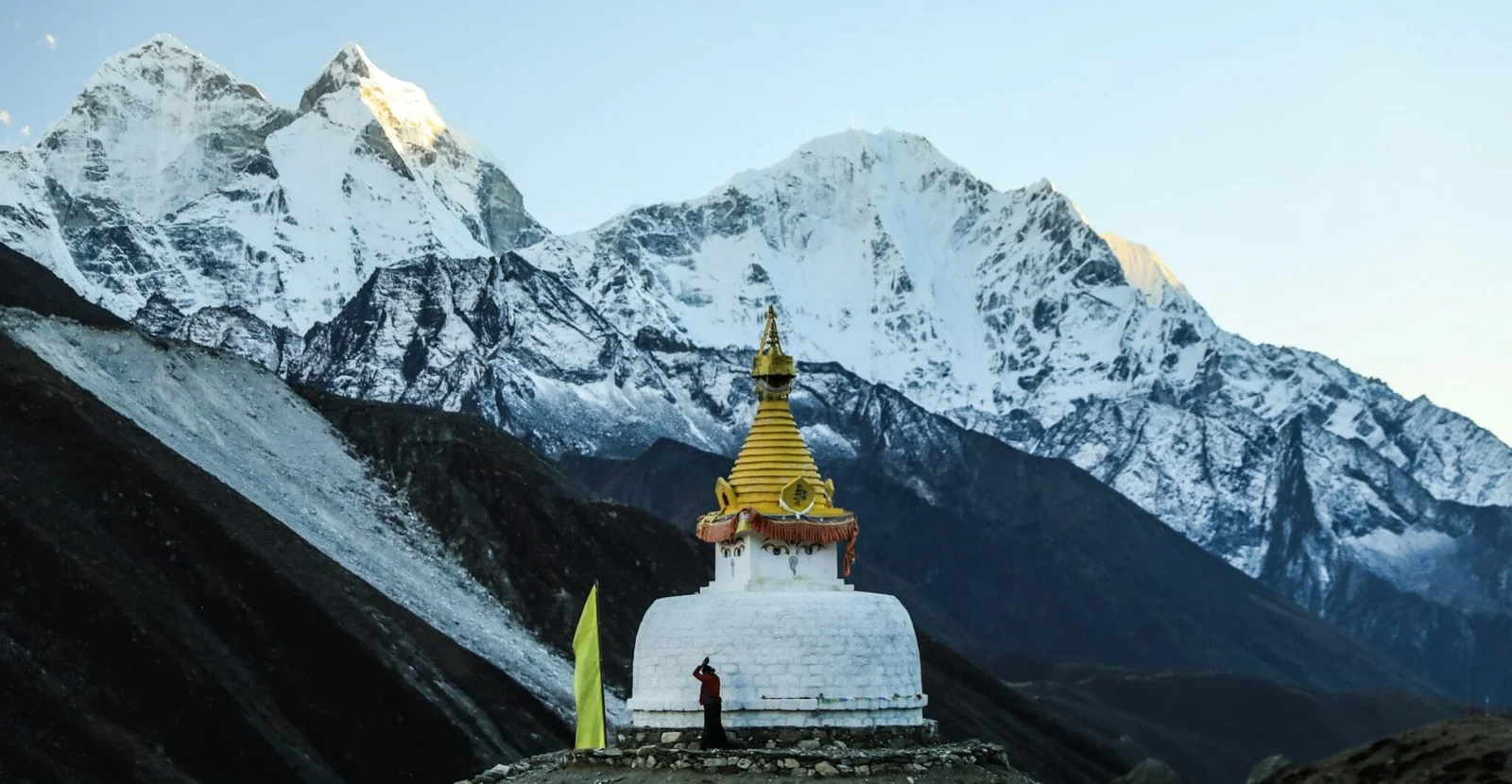
How Hard Is Everest Base Camp Trekking? Understanding the Real Difficulty
Many people ask, How Hard Is Everest Base Camp Trekking before planning this journey. The simple answer is that it is moderate in difficulty, not extreme. You do not need any climbing skills or special mountaineering training. There is no use of ropes, ice axes, or technical gear. However, it is still a physically demanding trek that needs good preparation and strong determination.
The Everest Base Camp trek is a long journey that usually takes around 15 days to complete. During this time, trekkers walk for many hours each day. On average, you will walk about 5 to 8 hours daily, depending on the trail and altitude. The total distance of the trek is around 130 kilometers, which means your body needs to be ready for continuous walking for many days.
One of the main reasons why people wonder How Hard Is Everest Base Camp Trekking is because of the high altitude. The trek reaches a maximum height of about 5,644 meters at Kala Patthar, which is much higher than most places people have visited before. At this height, the air becomes thin, and there is less oxygen. Because of this, even simple walking can feel harder than usual.
Even though the altitude is high, the trek is designed in a way that helps your body adjust slowly. There are acclimatization days in places like Namche Bazaar and Dingboche. These rest days are very important because they reduce the risk of altitude sickness and make the trek safer. This is one reason why the Everest Base Camp trek is considered moderate instead of very difficult.
Another factor that adds to the challenge is the terrain. The trail includes rocky paths, steep climbs, and long descents. Some days, especially when going to higher places like Lobuche and Gorakshep, the trail becomes more rough and tiring. However, the paths are clear and well-marked, so you do not need technical skills to walk on them.
Weather also plays a role in the difficulty level. In the Everest region, weather can change quickly. Mornings are usually clear, but afternoons can be windy or cold. Temperatures drop as you go higher, especially at night. Proper clothing and preparation can help you manage these conditions easily.
When thinking about How Hard Is Everest Base Camp Trekking, it is important to understand that the challenge is more about endurance than skill. You need to be able to walk for many hours, stay active for many days, and adjust to the high altitude. People with basic fitness can complete this trek if they prepare well and take their time.
The good part is that the trek is suitable for beginners who are ready to train and stay positive. Many first-time trekkers complete this journey successfully every year. Having a good itinerary, like a 15-day plan, makes a big difference. It gives your body enough time to adjust and reduces stress during the trek.
Another helpful factor is the support system. Most trekkers travel with guides and porters who help carry heavy bags and guide the way. This makes the journey easier and more comfortable. You also stay in teahouses along the trail, where you can rest, eat, and prepare for the next day.
So, when asking How Hard Is Everest Base Camp Trekking, the answer is clear. It is not an easy walk, but it is also not too hard if you are prepared. It is a moderate trek that needs physical effort, patience, and proper planning. With the right mindset and support, it becomes a very achievable and rewarding experience.
What Makes Everest Base Camp Trekking Hard for Beginners?
Many first-time trekkers often ask, How Hard Is Everest Base Camp Trekking, especially when they hear stories about high mountains and long walking days. The truth is, the trek is possible for beginners, but there are some real challenges that can make it feel difficult if you are not prepared.
The biggest challenge is altitude. As you walk higher into the mountains, the air becomes thinner and has less oxygen. This makes your body work harder, even when you are walking slowly. During the trek, you will reach places like Namche Bazaar at 3,440 meters, Dingboche at 4,410 meters, and Lobuche at 4,940 meters. As you go higher, simple tasks like walking, eating, or even sleeping can feel more difficult. This is one of the main reasons people ask, How Hard Is Everest Base Camp Trekking, because altitude affects everyone differently.
Another challenge is the long daily walking hours. Each day, you will walk for about 5 to 8 hours. Some days feel easy, especially at lower altitude, but as you go higher, the same distance can feel much harder. Your legs may feel tired, and you may need to take more breaks. For beginners, this can be surprising, especially if they are not used to walking for many hours.
The weather in the Everest region also adds to the difficulty. It can change quickly, even in one day. Mornings are often clear and calm, but afternoons can become windy or cold. As you go higher, the temperature drops, especially at night. In places like Dingboche or Lobuche, it can get very cold, and sometimes below freezing. If you are not used to cold weather, this can make the trek feel harder.
Accommodation is another factor that beginners should understand. During the trek, you will stay in teahouses, which are simple mountain lodges. The rooms are basic, with a bed, blanket, and pillow. In lower places like Namche, you may find better facilities, but as you go higher, services become more limited. Bathrooms may be shared, and hot showers may cost extra or not be available. For some people, this simple lifestyle can be challenging, especially if they are used to more comfort.
Food is available throughout the trek, but choices can become limited at higher altitude. Meals are simple but filling, such as rice, noodles, soup, and vegetables. Eating enough food is important to keep your energy up, but sometimes altitude can reduce your appetite. This can also make the trek feel harder.
Another important part of How Hard Is Everest Base Camp Trekking is the mental challenge. Trekking for many days in a row can test your patience and mindset. Some days may feel long, and you may feel tired or slow. There can be moments when you feel like stopping, especially on steep climbs or cold mornings. Staying positive and motivated is very important, especially for beginners.
The trail also includes many ups and downs. Even though you are going to a higher place, the path is not always straight up. You will walk up, down, and across suspension bridges, forests, and rocky paths. This can make the journey feel longer and more tiring than expected.
Even with all these challenges, many beginners complete the trek every year. The key is to understand what makes it hard and prepare for it. Knowing the answer to How Hard Is Everest Base Camp Trekking helps you plan better and avoid surprises on the trail.
Guides and porters also play a big role in making the trek easier. A guide helps you stay on the right path and checks your health, while a porter carries your heavy bag. This support allows you to focus on walking and enjoying the journey.
Understanding these challenges clearly helps beginners feel more ready. When you know what to expect, the trek becomes less stressful and more enjoyable, even if it feels hard at times.
Everest Base Camp Trek Difficulty Day by Day (15 Days Itinerary Insight)
Many trekkers ask, How Hard Is Everest Base Camp Trekking, but the best way to understand it is by looking at the journey day by day. The difficulty changes as you move higher. With a proper 15-day itinerary, the trek becomes more manageable because your body gets time to adjust slowly.
The trek starts with a short flight to Lukla, followed by a gentle walk to Phakding. This first day is quite easy. The trail is mostly flat, and you walk along the river. It helps your body get used to walking in the mountains. At this stage, most people do not feel much difficulty.
On the next day, the trek goes from Phakding to Namche Bazaar. This is where the trek starts to feel more challenging. The trail includes steep uphill sections, especially before reaching Namche. Many trekkers feel tired here because it is their first big climb. This is the point where people begin to understand How Hard Is Everest Base Camp Trekking, as the altitude also starts to affect the body.
After reaching Namche, there is an important acclimatization day. This day is not for full rest but for light walking and adjusting to the altitude. You may hike to nearby viewpoints and return. This helps your body adapt and makes the next days easier. Proper acclimatization is one of the main reasons why this trek is doable for many people.
From Namche, the trek continues to Tengboche and then to Dingboche. These days are moderate in difficulty. The trail has both ups and downs, and you start to feel the thinner air more. Walking becomes slower, and you may need more breaks. Another acclimatization day is planned in Dingboche. This is very important because you are now above 4,000 meters. It helps reduce the risk of altitude sickness and prepares you for higher climbs.
After Dingboche, the trek becomes harder. You move towards Lobuche, where the altitude is close to 5,000 meters. At this height, every step can feel heavy. The trail is more rocky, and the air is thinner. This part clearly shows How Hard Is Everest Base Camp Trekking, as your body is working harder even for simple walking.
The most challenging day comes when you trek to Everest Base Camp and then return to Gorakshep. This day includes long walking hours and high altitude. You walk on rough trails near the glacier, which can be tiring. Reaching Everest Base Camp is a big achievement, but the effort needed is high.
The next morning, you hike to Kala Patthar, which is the highest point of the trek at 5,644 meters. This is often the toughest part of the journey. The climb is steep, and the air is very thin. Many trekkers walk slowly and take frequent breaks. This is where the difficulty feels highest.
After Kala Patthar, the trek becomes easier as you descend. Walking downhill is less tiring, and the air becomes richer in oxygen. You pass through familiar places like Pheriche and Namche on your way back. Even though your legs may feel tired, the journey becomes more comfortable.
This day-by-day progress shows that the trek starts easy, becomes moderate, then hard, and finally reaches its toughest point before getting easier again. When people ask How Hard Is Everest Base Camp Trekking, this gradual increase in difficulty is the key answer.
A well-planned 15-day itinerary makes a big difference. It gives enough time for acclimatization and avoids rushing. This slow and steady approach helps many trekkers complete the journey safely.
Understanding the daily difficulty helps trekkers prepare better. It shows that while the trek has challenging parts, it is designed in a way that makes it possible for people with basic fitness and good planning.
How to Prepare for Everest Base Camp Trekking
Many people wonder, How Hard Is Everest Base Camp Trekking, but the truth is that good preparation can make a big difference. When you prepare your body and mind in the right way, the trek becomes much easier and more enjoyable.
The first step is physical fitness. You do not need to be an athlete, but you should be comfortable walking for long hours. Try to practice walking every day before your trip. Start with short walks and slowly increase your time. Walking uphill, using stairs, or hiking on small trails can help your body get ready. Cardio exercises like jogging, cycling, or swimming are also helpful. These activities improve your breathing and stamina, which are very important at high altitude. When people ask How Hard Is Everest Base Camp Trekking, fitness is one of the main factors that change the experience.
Next is mental preparation. Trekking for 15 days in the mountains is not only about physical strength. Some days may feel long, and you may feel tired or slow. Staying calm and positive helps you continue. It is important to understand that the journey takes time and patience. If you walk slowly and keep a steady pace, you can complete the trek without stress.
Having the right gear is also very important. Good trekking shoes with strong grip will protect your feet on rocky trails. Warm clothes like jackets, gloves, and hats are needed because the temperature drops at higher altitude. A comfortable backpack, water bottle, and basic items like sunscreen and sunglasses are also useful. Proper gear makes walking easier and keeps you safe in changing weather conditions.
Another key part of preparation is hydration and food. Drinking enough water helps your body adjust to the altitude. It is recommended to drink at least 3 to 4 liters of water every day during the trek. Eating well is also important. Meals like rice, noodles, soup, and vegetables give you energy for long walking days. Even if you feel less hungry at higher altitude, try to eat regularly to keep your strength.
One of the most important things to understand when thinking about How Hard Is Everest Base Camp Trekking is acclimatization. This means giving your body time to adjust to high altitude. A good itinerary includes rest days in places like Namche Bazaar and Dingboche. These days are not for full rest but for short walks and gradual adjustment. This process helps reduce the risk of altitude sickness and makes the trek safer.
Choosing the right trekking package also makes the journey easier. A well-planned itinerary, such as a 15-day trek, allows enough time for proper acclimatization. It avoids rushing and helps your body adapt step by step. This is one of the reasons why many trekkers successfully complete the journey.
Having an experienced guide is very helpful. A guide knows the trail, weather conditions, and how to handle altitude changes. They can check your health and give advice during the trek. If you feel unwell, the guide can help you take the right steps. This support makes a big difference, especially for beginners.
A porter also plays an important role. Porters carry your heavy bags, so you can walk with a light backpack. This reduces physical strain and allows you to focus on the trek. Many trekkers feel more comfortable and less tired with this support system.
Meals included in the package also help you stay strong. You do not need to worry about finding food or planning meals every day. Regular breakfast, lunch, and dinner give your body the energy it needs for walking at high altitude.
When people think about How Hard Is Everest Base Camp Trekking, they often feel nervous. But with proper training, the right mindset, and good support, the trek becomes much easier. Step by step preparation helps you build confidence and enjoy the journey through the beautiful Everest region.
Is Everest Base Camp Trekking Worth the Challenge?
Many people keep asking, How Hard Is Everest Base Camp Trekking, but there is another important question to think about. Is the journey really worth the effort. The answer becomes clear when you look at the experience you get during the trek.
One of the biggest reasons people choose this trek is the chance to see Mount Everest with their own eyes. Standing close to the highest mountain in the world is a powerful feeling. The views of Everest, along with other peaks like Ama Dablam and Lhotse, stay in your memory for a long time. These mountains are not just far away views. They feel close and real as you walk through the region.
Another special moment of the trek is the sunrise from Kala Patthar. This is the highest point of the trek, around 5,644 meters. Early in the morning, you hike slowly in the cold air to reach the top. When the sun rises, it lights up Everest and the surrounding mountains. The golden light on the snow peaks creates a peaceful and beautiful scene. This moment is often the highlight of the entire journey.
The trek is not only about mountains. It is also about people and culture. Along the trail, you pass through villages like Namche Bazaar and Tengboche. Here, you can see the daily life of the Sherpa people. They are known for their kindness, strength, and mountain skills. Visiting monasteries, seeing prayer flags, and hearing chants gives a calm and spiritual feeling during the trek.
The journey also takes you through Sagarmatha National Park. This protected area is full of natural beauty. You walk through forests, cross rivers, and see different types of plants and animals. As you go higher, the landscape changes from green forests to rocky and snowy terrain. This variety makes the trek more interesting every day.
Another highlight is the Khumbu Glacier. Walking near this huge glacier shows the power of nature. The ice formations and rough landscape make the experience feel unique. It is not something you see in normal travel.
The trek also includes a scenic flight to Lukla. This short flight is an adventure on its own. Flying close to the mountains and landing at a small airport in the hills adds excitement to the journey. Many trekkers remember this flight as one of the most thrilling parts of the trip.
Even though people ask How Hard Is Everest Base Camp Trekking, they often forget to think about what they will gain from it. The trek gives you a chance to challenge yourself, step out of your comfort zone, and see a different world. Each day brings new views, new experiences, and new learning.
Walking for many days in the mountains also helps you slow down and connect with nature. Away from busy city life, you can enjoy quiet moments, fresh air, and simple living. These small things become very meaningful during the journey.
When you reach Everest Base Camp, there is a strong feeling of achievement. You realize that all the effort, long walks, and cold mornings were worth it. This feeling stays with you even after the trek is over.
So when thinking again about How Hard Is Everest Base Camp Trekking, it is also important to think about the reward. The beauty, culture, and personal experience make this trek very special. Even though Everest Base Camp trekking is hard, the experience is once in a lifetime.
Frequently Asked Questions About Everest Base Camp Trekking
Many trekkers search online to understand How Hard Is Everest Base Camp Trekking before planning their trip. These common questions help clear doubts and give a better idea of what to expect on the trail.
Is Everest Base Camp trekking hard for beginners?
This is one of the most common questions. The answer is that the trek is moderately difficult, but it is possible for beginners. You do not need technical climbing skills or mountaineering experience. The trail is well-marked and follows a clear path through villages and valleys.
However, beginners may find it challenging because of the altitude and long walking days. As you go higher, the air becomes thinner, and your body needs time to adjust. Places like Namche Bazaar and Dingboche are important stops where your body slowly adapts.
When people ask How Hard Is Everest Base Camp Trekking, beginners should understand that it is not about skill but about endurance and patience. With proper preparation, a good itinerary, and a positive mindset, many first-time trekkers complete this journey every year.
How fit do I need to be?
Fitness plays a big role in how you experience the trek. You do not need to be very strong, but you should be comfortable walking for many hours. Basic fitness is enough if you prepare before the trek.
It is helpful to practice walking, hiking, or climbing stairs before your trip. Cardio exercises like running or cycling can also improve your stamina. The goal is to build strength in your legs and improve your breathing.
Understanding How Hard Is Everest Base Camp Trekking becomes easier when you are physically ready. A fit body helps you walk longer without getting too tired and reduces the risk of health problems during the trek.
How many hours do you walk daily?
On average, trekkers walk about 5 to 8 hours each day. Some days are shorter and easier, while others are longer and more challenging. For example, the walk to Namche Bazaar includes a steep uphill section, which can feel tiring.
As you go higher, even short distances can take more time because of the altitude. Your walking speed becomes slower, and you may need more breaks. This is a normal part of the trek.
When thinking about How Hard Is Everest Base Camp Trekking, daily walking hours are an important factor. Walking for many hours over several days requires both physical and mental strength.
What is the hardest day?
The hardest part of the trek is usually the day you hike to Everest Base Camp and the early morning hike to Kala Patthar. These days involve high altitude, long walking hours, and colder temperatures.
The climb to Kala Patthar is especially challenging because it is the highest point of the trek at 5,644 meters. The air is very thin, and every step feels harder. Many trekkers walk slowly and take frequent breaks during this climb.
Another difficult section is the trek from Dingboche to Lobuche. At this altitude, your body starts to feel the effect of less oxygen, and the trail becomes more rocky and tiring.
These tougher days are the reason many people ask How Hard Is Everest Base Camp Trekking, but they are also the most rewarding parts of the journey.
Each of these questions helps build a clear understanding of the trek. Knowing what to expect makes the journey feel more manageable and helps trekkers prepare with confidence.
Make an Inquiry


 January 27, 2026
Best Everest Trek – Compare EBC, Panorama, Heli & Gokyo Lake Routes
Introduction: Which Everest Trek is Best for You? Everest trekking is one of the most popular adventures in the world....
 April 14, 2026
Best Time for Everest Base Camp Trekking – Easy Guide for Beginners
Introduction to Everest Base Camp Trekking Everest Base Camp Trekking is one of the most famous trekking journeys in the...
 October 26, 2025
Everest Base Camp Trek Guide 2026/2027: Cost, Itinerary, and Best Time to Go
Everest Base Camp Trek Guide Standing at the base of the mighty Himalayas is a dream that fills the heart...


