Renjo La Pass – The Quiet Beauty of Everest Three Passes Trek
Where is Renjo La Pass and Why It is Special
Renjo La Pass is one of the high mountain passes in the Everest region of Nepal. It lies between two beautiful valleys, Gokyo and Thame. These places are part of the Khumbu area, which is also home to Mount Everest. The pass sits at an altitude of 5,360 meters, which means it is very high and the air is thin. Trekkers need to walk slowly and take time to adjust to the height.
The route to Renjo La Pass is part of the famous Everest Three Passes Trek. This long trekking route includes three high passes: Kongma La, Cho La, and Renjo La. Among these, many trekkers feel that Renjo La Pass is the most peaceful and less crowded. While other trails in the Everest region can be busy, this pass gives a quiet and calm experience.
When you walk toward Renjo La Pass, you pass through small villages like Thame and Lungden. These villages are less busy compared to Namche Bazaar or Everest Base Camp trails. You can see local Sherpa life, simple houses, and peaceful surroundings. The trail feels more natural and less commercial. This is one reason why many trekkers love this part of the journey.
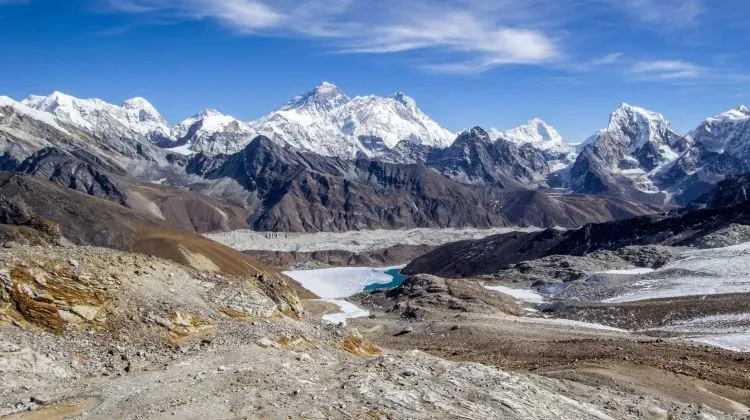
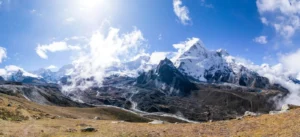
Another special thing about Renjo La Pass is the wide and open landscape. As you go higher, the trees slowly disappear, and you see big mountains all around. The sky feels closer, and the views become more clear and wide. From the top, you can see famous peaks like Everest, Lhotse, and Cho Oyu. You can also see the beautiful Gokyo Lakes below, which look like blue gems in the mountains.
Compared to other passes, Renjo La Pass has fewer trekkers. This means you can enjoy the silence of the mountains. There is less noise, and you can walk at your own pace. Many people say this pass gives them time to think, relax, and feel close to nature. It is a good choice for trekkers who want to avoid crowded routes and enjoy a more peaceful journey.
The trail to Renjo La Pass is also known for its natural beauty. You walk through yak pastures, rocky paths, and high mountain landscapes. Sometimes you may see snow on the trail, especially in colder months. The weather can change quickly, so the quiet environment also feels wild and real.
Because it is part of the Three Passes Trek, Renjo La Pass is often crossed after or before visiting Gokyo. Many trekkers combine it with the Gokyo Lakes trek, which makes the journey even more special. The view from the top of the pass looking down to Gokyo is one of the best scenes in the Everest region.
This pass is not just about reaching a high point. It is about the feeling of walking in a quiet place, far from busy trails. The mix of high mountains, peaceful paths, and local culture makes Renjo La Pass a unique part of the Everest trekking experience.
Renjo La Pass Trek Route and Itinerary Overview
The trek to Renjo La Pass follows a peaceful and less crowded route in the Everest region. It usually starts from Namche Bazaar, which is the main trading and trekking hub of the Khumbu area. From here, the trail moves away from the busy Everest Base Camp route and heads toward quieter valleys.
The basic route for Renjo La Pass goes like this: Namche Bazaar → Thame → Lungden → Renjo La → Gokyo. This route is simple to understand and easy to follow for trekkers who want a calm and scenic journey.
From Namche, the trail goes to Thame. This is a traditional Sherpa village with old monasteries and peaceful surroundings. The walk to Thame is not very hard, and it is a good place to enjoy local culture. Many trekkers stay here for a night to adjust to the altitude.
The next stop is Lungden. The trail from Thame to Lungden is quiet and wide, passing through open valleys and yak grazing areas. Lungden is a small place with basic tea houses. It is also the last stop before crossing Renjo La Pass, so trekkers prepare here for the big day.
The main day of the trek is the crossing of Renjo La Pass. Trekkers usually start early in the morning. The climb is long and slow, but the path is clear. After reaching the top, you can see wide mountain views and the beautiful Gokyo valley below. After enjoying the view, the trail goes down toward Gokyo Lakes. This part of the walk can be steep, so careful steps are needed.
Once you reach Gokyo, you can explore the lakes and also hike up Gokyo Ri for even better views of the Himalayas. This makes the journey of Renjo La Pass more special because it connects directly with one of the most beautiful areas in the Everest region.
In the larger Everest Three Passes Trek, Renjo La Pass is one of the three high passes. The other two are Kongma La and Cho La. Trekkers often combine all three passes in one long adventure. For example, after crossing Renjo La and reaching Gokyo, many trekkers go on to cross Cho La to reach Everest Base Camp. Later, they may cross Kongma La as part of the full circuit.
This makes Renjo La Pass an important link in the Three Passes Trek. It connects the quiet Thame side with the popular Gokyo side. Some trekkers also choose to do only Renjo La Pass with Gokyo Lakes if they want a shorter and less crowded trek.
The itinerary for Renjo La Pass does not need to be rushed. Most people take a few days from Namche to reach Gokyo, with proper rest and slow walking. This helps the body adjust to the high altitude and makes the trek safer and more enjoyable.
The route is well-marked, and tea houses are available along the way. This makes the journey comfortable while still giving a remote mountain feeling. The mix of quiet villages, open valleys, and high mountain views makes Renjo La Pass a beautiful and balanced trekking route in the Everest region.
Difficulty Level and What to Expect on the Trail
The trek to Renjo La Pass is known as moderate to challenging. It is not the easiest walk in the Everest region, but it is also not the hardest if you prepare well. Many trekkers with good fitness and some trekking experience can complete Renjo La Pass with proper planning and a steady pace.
One of the main challenges is the long and steep climb to the top of Renjo La Pass. The day you cross the pass starts early in the morning. The trail goes uphill for many hours, and the air becomes thinner as you go higher. You need to walk slowly and take small breaks. Rushing can make you feel tired very quickly at this altitude.
High altitude is another important factor to understand. Renjo La Pass stands at 5,360 meters, which is very high. At this height, your body gets less oxygen. Some trekkers may feel symptoms of altitude sickness like headache, dizziness, or loss of appetite. That is why it is important to acclimatize properly in places like Namche Bazaar and Thame before going higher. Drinking enough water and walking slowly helps your body adjust.
The trail condition on the way to Renjo La Pass is mixed. In lower sections, the path is wide and easy, passing through open valleys and yak grazing lands. As you go higher, the trail becomes more rocky and uneven. You may need to walk on loose stones, which can feel tiring for your legs. Near the top, the path can be steep and rough.
In colder months or early mornings, you may also find snow or ice on the trail to Renjo La Pass. This can make the walk more challenging, especially during the descent. Good trekking shoes with a strong grip are very important. Some trekkers also use trekking poles for better balance and support.
Weather conditions can change quickly in the mountains. The morning is usually clear, but clouds and wind can come later in the day. That is why most trekkers start early when crossing Renjo La Pass. Clear weather also gives better mountain views, making the effort more rewarding.
Even though the trek is challenging, many people can do Renjo La Pass if they prepare well. Fit beginners who have good stamina and follow a proper itinerary can enjoy this trek. It is helpful to do some physical training before the trip, like walking, hiking, or light cardio exercise. Mental strength is also important because long walking days can feel tiring.
Having a guide can make the journey safer and easier. A guide knows the trail, weather conditions, and how to handle altitude-related issues. For those who are not confident, this support can be very useful while crossing Renjo La Pass.
The experience on the trail is not only about difficulty. You will walk through quiet valleys, see yaks grazing, and enjoy wide mountain views. The peaceful environment helps you focus on your steps and enjoy the journey. Every part of the trail to Renjo La Pass gives a real feeling of being in the high Himalayas.
Best Views from Renjo La Pass
The views from Renjo La Pass are one of the best in the Everest region. Many trekkers say this is the most beautiful viewpoint in the Three Passes Trek. When you reach the top of Renjo La Pass, you are surrounded by high mountains, wide sky, and deep valleys. The feeling is quiet and open, and every direction shows something special.
From the top of Renjo La Pass, you can see famous peaks like Mount Everest, Lhotse, Makalu, and Cho Oyu. These mountains stand tall and bright, especially when the sky is clear. Seeing all these peaks together from one place makes Renjo La Pass very special.
One of the biggest highlights of Renjo La Pass is the view of the Gokyo Lakes. As you look down from the top, you can see a chain of blue lakes shining in the valley. These are the famous Gokyo Lakes. The color of the water looks deep blue or green depending on the light. The lakes look like small jewels placed between the mountains. This view is often called one of the most beautiful scenes in Nepal.
If you reach Renjo La Pass early in the morning, you can enjoy a peaceful sunrise. The sun slowly rises behind the mountains and spreads soft light across the snow peaks. The mountains change color from dark to golden. The sky becomes bright, and the cold air feels fresh and clean. This quiet moment makes the long climb feel worth it.
On a clear day, the views from Renjo La Pass are wide and open. There are no big trees or buildings blocking the view. You can see far into the distance, across valleys and over many mountain ranges. The air feels pure, and the silence of the place makes the experience even deeper.
Even during the descent from Renjo La Pass, the views continue to impress. As you walk down toward Gokyo, the lakes come closer, and the mountains stay in front of you. The changing angle gives different views at every step. This makes the journey feel like a moving picture of the Himalayas.
The beauty of Renjo La Pass is not only in the big mountains but also in the small details. You may see prayer flags moving in the wind at the top, adding color to the rocky landscape. You may hear the sound of wind and feel the calmness of the place. There are fewer trekkers here, so you can enjoy these views without noise or crowd.
Walking through this area gives a strong connection with nature. The mix of high peaks, blue lakes, and open sky makes Renjo La Pass a place where every step feels meaningful. The natural beauty stays with trekkers long after they leave the trail.
Important Tips for Crossing Renjo La Pass Safely
Crossing Renjo La Pass is a big highlight of the trek, but it also needs good planning and care. The pass is high and the weather can change quickly, so simple safety steps can make your journey much smoother and safer.
One of the most important tips for Renjo La Pass is to start early in the morning. Most trekkers begin their walk before sunrise. The weather is usually more stable in the morning, and the sky is often clear. Walking early also helps you avoid strong afternoon winds, which are common at high altitude. A clear morning gives better views and a safer crossing.
Before you start your day, always check the weather conditions. The trail to Renjo La Pass can become difficult if there is snow, strong wind, or poor visibility. If the weather looks bad, it is better to wait or take advice from your guide or local tea house owners. Mountain weather is not always predictable, so staying informed is very important.
Walking slowly is another key tip for crossing Renjo La Pass. At 5,360 meters, the air is thin and your body needs more time to adjust. Do not rush or try to walk fast. Take small steps, keep a steady pace, and rest when needed. This helps you save energy and reduces the risk of altitude sickness.
Altitude awareness is very important on this trail. As you go higher toward Renjo La Pass, you may feel headache, tiredness, or dizziness. These are signs your body needs more rest. It is helpful to spend extra nights in places like Namche Bazaar or Thame before going higher. Proper acclimatization makes a big difference in how you feel during the climb.
Carrying enough water and snacks is also important for the journey to Renjo La Pass. There are no shops or tea houses on the top section of the pass. You should bring at least 2 to 3 liters of water and some energy food like chocolate, nuts, or energy bars. Eating small amounts during the climb helps keep your energy level stable.
The trail can be rocky and sometimes covered with snow, especially in colder months. Good trekking shoes with a strong grip are necessary. Trekking poles can also help with balance during both the climb and the descent from Renjo La Pass. Gloves, warm clothes, and a windproof jacket are useful because it can be very cold at the top.
If you are not confident about the route or high altitude trekking, hiring a guide is a smart choice. A guide knows the trail, understands weather conditions, and can help in case of any problem. Many trekkers feel more relaxed and safe when they have local support while crossing Renjo La Pass.
Listening to your body is one of the best safety tips. If you feel unwell or too tired, it is okay to stop or go back. The mountains will always be there, but your safety comes first. Taking your time and being prepared helps you enjoy the journey in a calm and safe way.
Make an Inquiry

 January 27, 2026
Best Everest Trek – Compare EBC, Panorama, Heli & Gokyo Lake Routes
Introduction: Which Everest Trek is Best for You? Everest trekking is one of the most popular adventures in the world....
 February 3, 2026
Lukla – The Gateway to Everest Treks in Nepal
Where Is Lukla and Why It Is So Important for Everest Treks Lukla is a small mountain town located in...


