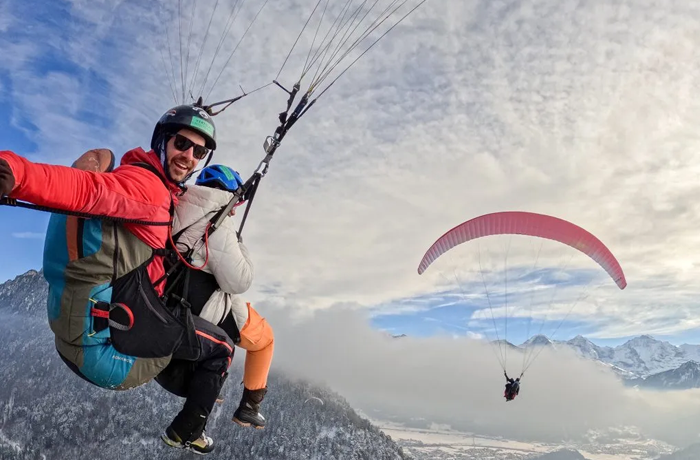
What Is Annapurna Conservation Area? A Complete Guide
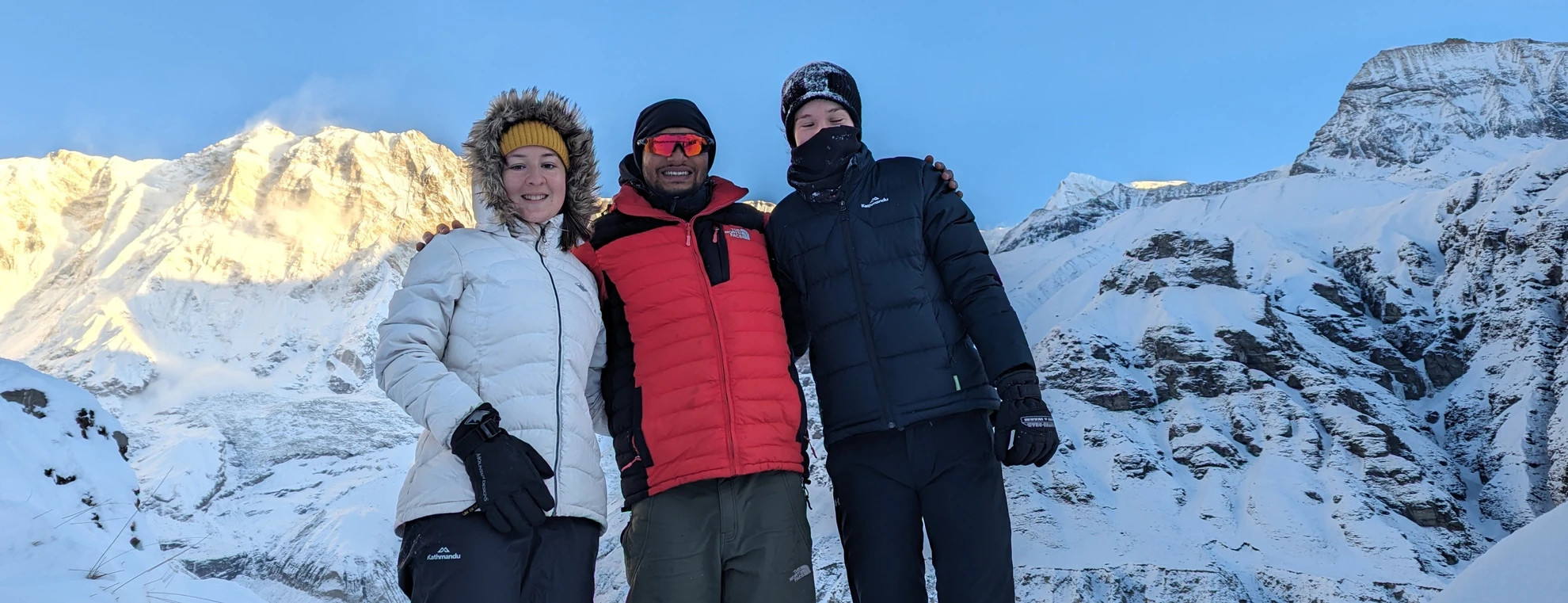
What Is Annapurna Conservation Area?
The Annapurna Conservation Area is Nepal’s largest protected area and one of the country’s most popular trekking destinations. It covers more than 7,600 square kilometers across the Annapurna mountain region in central Nepal. This beautiful area is home to snow-covered peaks, green forests, rivers, lakes, and traditional mountain villages. Every year, thousands of trekkers and nature lovers visit to enjoy its amazing landscapes and rich culture.
The Annapurna Conservation Area was established in 1986 to protect the region’s unique wildlife, forests, plants, and local communities. It was created because the growing number of visitors increased pressure on the environment. The conservation project helps protect natural resources while also supporting the people who live in the region through sustainable tourism, education, and community development.
One of the reasons the Annapurna Conservation Area is so special is its incredible variety of landscapes and living things. The area ranges from low river valleys to some of the world’s highest mountain passes, creating different climate zones that support many species of animals and plants. Visitors can experience colorful rhododendron forests, alpine meadows, glaciers, and breathtaking views of the Annapurna and Dhaulagiri mountain ranges during a single journey.
The Annapurna Conservation Area also plays an important role in Nepal’s tourism industry. Famous trekking routes such as the Annapurna Base Camp Trek, Annapurna Circuit Trek, and Ghorepani Poon Hill Trek pass through this protected region. At the same time, local communities benefit from tourism by offering accommodation, guiding services, and traditional hospitality while helping preserve their culture and natural environment for future generations.
Where Is Annapurna Conservation Area Located?
The Annapurna Conservation Area is located in central Nepal, stretching across a large part of the Annapurna mountain range. It covers five districts: Kaski, Lamjung, Manang, Mustang, and Myagdi. The conservation area begins in the lower hills and valleys and extends to the high Himalayan mountains, making it one of the most diverse natural regions in the country.
Pokhara is the main gateway to the Annapurna Conservation Area and is the starting point for many trekking adventures. This beautiful lakeside city is about a 6 to 8-hour drive or a short flight from Kathmandu. Most trekkers travel to Pokhara before heading to trailheads such as Nayapul, Ghandruk, Kande, or Besisahar, depending on their chosen trekking route.
Many of Nepal’s most famous trekking trails pass through the Annapurna Conservation Area. The Annapurna Base Camp Trek takes visitors deep into the heart of the Annapurna Sanctuary, while the Annapurna Circuit Trek circles the Annapurna Massif and crosses the famous Thorong La Pass. Other popular routes include the Ghorepani Poon Hill Trek, Mardi Himal Trek, Tilicho Lake Trek, and Khopra Ridge Trek. Each route offers different experiences, from peaceful forests and traditional villages to snow-covered mountain passes.
The landscape changes greatly as you travel through the region. Lower elevations are filled with green hills, terraced farms, rivers, waterfalls, and rhododendron forests. As the trail climbs higher, the scenery changes to alpine meadows, rocky valleys, glaciers, and towering Himalayan peaks. This wide range of landscapes is one of the reasons the Annapurna Conservation Area attracts trekkers, photographers, and nature lovers from around the world.
Why Is Annapurna Conservation Area So Special?
The Annapurna Conservation Area is one of Nepal’s most unique and beautiful places because it offers an incredible mix of nature, culture, and adventure. It is home to rich biodiversity, with hundreds of species of birds, animals, and plants living in different parts of the region. Trekkers may spot Himalayan tahr, musk deer, colorful pheasants, and many other wildlife species while walking through forests and mountain trails.
One of the most interesting features of the Annapurna Conservation Area is its wide range of climate zones. The journey starts in warm, green valleys with rice fields and forests, then gradually climbs into cool alpine meadows, rocky landscapes, and snowy mountain passes. This changing environment creates different habitats where many types of plants and animals can survive throughout the year.
The mountain views are another reason why people visit this region. Trekkers can enjoy breathtaking views of Annapurna I, Machhapuchhre, Dhaulagiri, Hiunchuli, and several other Himalayan peaks. Along the trails, visitors also pass through traditional Gurung, Magar, and Thakali villages. These communities welcome travelers with warm hospitality and give them the chance to experience local culture, traditional food, festivals, and daily mountain life.
The Annapurna Conservation Area is also known for its successful conservation efforts. Local communities work together with conservation organizations to protect forests, wildlife, and natural resources while supporting responsible tourism. Eco-friendly lodges, waste management programs, and community-based tourism help keep the region clean and beautiful.
Trekkers from around the world choose this region because it offers something for everyone. Whether someone is looking for easy village walks, challenging high mountain passes, stunning scenery, or meaningful cultural experiences, the Annapurna Conservation Area provides an unforgettable journey through one of Nepal’s most remarkable landscapes.
Wildlife, Plants, and Nature in Annapurna Conservation Area
The Annapurna Conservation Area is one of the richest natural habitats in Nepal. Its wide range of elevations creates many different ecosystems, allowing a great variety of wildlife and plants to thrive. From warm river valleys and dense forests to alpine grasslands and snowy mountain slopes, every part of the region supports different forms of life. This natural diversity makes the area a favorite destination for nature lovers, wildlife photographers, and trekkers.
Several rare and protected animals live in the Annapurna Conservation Area. These include the snow leopard, Himalayan tahr, musk deer, and blue sheep. In some forested areas, the rare red panda can also be found, although sightings are uncommon because these animals are shy and live in remote habitats. Visitors are more likely to see Himalayan tahr grazing on rocky hillsides or hear birds singing while walking through the forests.
The region is also home to more than 500 species of birds. Colorful birds such as the Himalayan monal, Nepal’s national bird, blood pheasant, eagles, and different species of vultures can be seen throughout the conservation area. Birdwatchers visit during different seasons to observe both local and migratory birds.
The forests are filled with rhododendron trees, especially during spring when the hills turn bright red, pink, and white with blooming flowers. Oak, pine, bamboo, and juniper forests also grow across different elevations, creating healthy habitats for wildlife.
Protecting wildlife and nature is an important part of conservation in this region. Local communities, conservation teams, and visitors all play a role in keeping forests clean, protecting animal habitats, and reducing pollution. By respecting nature and following responsible trekking practices, visitors help preserve the unique ecosystems of the Annapurna Conservation Area for future generations.
Famous Treks Inside Annapurna Conservation Area
The Annapurna Conservation Area is home to some of Nepal’s most famous trekking routes. Whether you are a beginner looking for an easy mountain adventure or an experienced trekker seeking a challenging journey, there is a trail for every type of traveler. Each trek offers beautiful mountain views, traditional villages, forests, and unforgettable experiences.
The Annapurna Base Camp Trek is one of the most popular choices. It takes trekkers through Gurung villages, rhododendron forests, and deep valleys before reaching the heart of the Annapurna Sanctuary. This trek is suitable for people with a moderate level of fitness.
The Annapurna Circuit Trek is one of the world’s classic long-distance treks. It circles the Annapurna Massif and crosses the famous Thorong La Pass at 5,416 meters. This route offers changing landscapes, rich local culture, and stunning mountain scenery, making it a great choice for experienced trekkers.
The Ghorepani Poon Hill Trek is perfect for beginners and families. It is shorter than many other treks and is famous for its sunrise views over Annapurna, Dhaulagiri, and Machhapuchhre. The well-maintained trails and comfortable teahouses make it an excellent first trekking experience.
The Mardi Himal Trek has become popular for its peaceful trails and close-up mountain views. It is less crowded than some other routes and is suitable for trekkers looking for a quieter adventure.
The Khopra Ridge Trek offers beautiful mountain panoramas and a chance to visit the sacred Khayer Lake. It is ideal for those who want a less crowded trail with rewarding scenery.
The Tilicho Lake Trek takes visitors to one of the world’s highest lakes, surrounded by dramatic mountain landscapes. This trek is more challenging because of its high altitude and rugged trails.
All of these trekking routes pass through the Annapurna Conservation Area, giving visitors the chance to experience Nepal’s rich natural beauty, diverse landscapes, and welcoming mountain communities while exploring one of the country’s most remarkable trekking regions.
Do You Need a Permit to Visit Annapurna Conservation Area?
Yes, anyone planning to trek inside the Annapurna Conservation Area must have the required permits before entering the trail. These permits help manage tourism, protect the environment, and support local communities. You should carry your permits throughout the trek because they are checked at several checkpoints along the route.
The main permit required is the Annapurna Conservation Area Permit (ACAP). This permit is mandatory for all foreign trekkers visiting the region. As of 2026, the ACAP fee is NPR 3,000 for most foreign nationals and NPR 1,000 for SAARC nationals. Children under the age of 10 can enter free of charge. Since permit fees and regulations may change, it is always a good idea to check the latest information before your trip.
You may also hear about the Trekkers’ Information Management System (TIMS) Card. In recent years, trekking regulations have changed, and the TIMS Card is generally not required for most standard trekking routes in the Annapurna region. However, it is recommended to confirm the latest permit requirements with your trekking agency or the Nepal Tourism Board before starting your trek.
You can obtain the ACAP permit from the Nepal Tourism Board offices in Kathmandu or Pokhara. If you book your trek through a licensed trekking company, they can usually arrange all the necessary permits on your behalf, making the process simple and convenient.
The permit fees collected from visitors are used to protect forests, wildlife, trekking trails, and local cultural heritage. They also support conservation projects, trail maintenance, waste management, and community development. By purchasing the required permits, visitors help preserve the natural beauty and cultural richness of the Annapurna Conservation Area for future generations.
Helpful Travel Tips Before Visiting Annapurna Conservation Area
A little preparation can make your trek in the Annapurna Conservation Area safer, more comfortable, and more enjoyable. Whether you are planning a short trek or a longer adventure, following a few simple travel tips will help you have a better experience in the mountains.
Hiring a licensed guide is highly recommended, especially if you are visiting Nepal for the first time. A guide knows the trails, weather conditions, local culture, and safety procedures. They can also help in case of emergencies and make your journey more informative.
Pack light but wisely. Bring warm clothing, a waterproof jacket, comfortable trekking boots, sunscreen, sunglasses, a hat, a reusable water bottle, and a basic first aid kit. Weather in the mountains can change quickly, so it is important to be prepared.
While trekking through villages, respect local traditions and customs. Dress modestly, ask for permission before taking photos of people, and be polite to local residents. Supporting local teahouses and businesses also helps mountain communities.
Stay hydrated by drinking plenty of water throughout the trek. Climb slowly and give your body enough time to adjust to higher elevations to reduce the risk of altitude sickness. If you experience symptoms such as severe headache, dizziness, or difficulty breathing, tell your guide immediately and descend if necessary.
Help protect the Annapurna Conservation Area by following the Leave No Trace principle. Carry your rubbish until you find a proper disposal point and avoid disturbing wildlife or damaging plants.
Carry enough cash because ATMs are not available in most trekking villages, and many teahouses do not accept cards. It is also wise to buy travel insurance that covers high-altitude trekking and emergency helicopter evacuation. Before your trip, improve your fitness by walking, hiking, or doing regular exercise, as good physical preparation makes trekking more enjoyable and less tiring.
Conclusion
The Annapurna Conservation Area is one of Nepal’s most remarkable destinations, offering an unforgettable experience for trekkers, nature lovers, and adventure seekers. From peaceful forests and traditional mountain villages to snow-covered peaks and diverse wildlife, every part of the region has something unique to discover. Whether you choose a short trek like Ghorepani Poon Hill or a longer journey such as the Annapurna Circuit or Annapurna Base Camp Trek, the trails take you through some of the most beautiful landscapes in the Himalayas.
One of the things that makes the Annapurna Conservation Area special is its perfect balance of nature, culture, and adventure. Visitors can enjoy breathtaking mountain views, experience the warm hospitality of Gurung, Magar, and Thakali communities, and explore one of Nepal’s richest protected areas. At the same time, responsible tourism helps protect forests, wildlife, and local traditions, ensuring this beautiful region can be enjoyed by future generations.
When visiting this incredible destination, travel responsibly by respecting local customs, protecting the environment, and following the Leave No Trace principles. Small actions from every visitor make a big difference in preserving the beauty of the Himalayas.
If you are planning your next Himalayan adventure, Nepal Social Treks and Expedition is ready to help you create a safe and memorable journey. With experienced licensed guides, a safety-first approach, professional first aid-trained trekking staff, and a 98 percent trek success rate, we are committed to providing a reliable and enjoyable trekking experience. Contact our team today to book your Annapurna trek and explore the beauty of Nepal with confidence.