Crossing Cho La Pass – A Complete Guide for Three Passes Trek in Nepal
Where is Cho La Pass in the Everest Three Passes Trek?
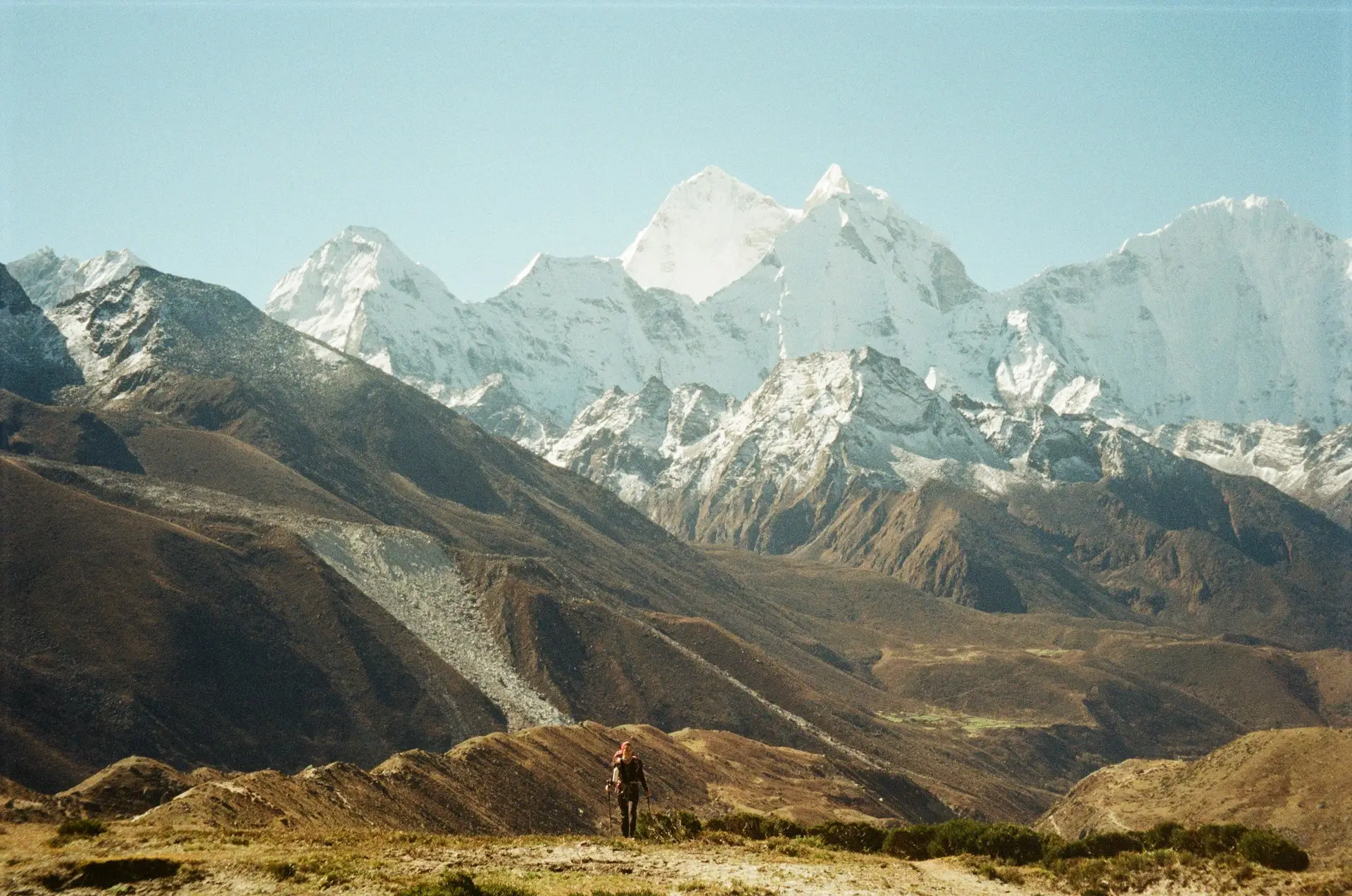
Cho La Pass is one of the high mountain passes in the Everest region of Nepal. It sits between two small trekking places called Dzongla and Gokyo. When trekkers walk from Dzongla, they climb up to the pass and then go down towards the beautiful Gokyo Valley. This route connects two popular trekking areas, making it an important part of the journey.
The height of Cho La Pass is about 5,420 meters above sea level. At this altitude, the air is thin, and the weather can change quickly. Because of this, trekkers need to walk slowly and take proper rest before crossing. Even though it is high, many trekkers include this pass in their adventure because it offers a unique experience in the Himalayas.
Cho La Pass is one of the three major passes in the famous Everest Three Passes Trek. The other two passes are Kongma La Pass and Renjo La Pass. These three passes together create a challenging and exciting trekking route for those who want to explore more than just the Everest Base Camp trail. Each pass has its own beauty and difficulty, but they are all connected in one big trekking circuit.
On the map, Cho La Pass acts like a bridge between the Everest Base Camp side and the Gokyo side. If you start your trek from Everest Base Camp and move towards Gokyo, you will cross this pass. This makes it a key point for trekkers who want to complete the full Three Passes Trek instead of returning the same way.
The trail to Cho La Pass is not a simple walking path. It includes rocky sections, steep climbs, and even a glacier crossing near the top. Because of this, it is important to understand where it lies and how it connects different parts of the trek. Knowing its position helps trekkers plan their route better and prepare for the challenge ahead.
When you look at the Everest region as a whole, Cho La Pass sits right in the middle of the adventure. It links famous places like Everest Base Camp, Dzongla, and Gokyo Lakes. This makes it a very important crossing point for trekkers who want to see more of the Himalayas in one journey.
Cho La Pass Trek Difficulty: How Hard Is It?
The trek to Cho La Pass is known as one of the more challenging parts of the Everest Three Passes Trek. It is not an easy walk, but it is also not impossible. Many trekkers with good preparation and a steady pace are able to cross it safely. The key is to understand the difficulty and move step by step without rushing.
One of the main challenges of Cho La Pass is the steep climb. From Dzongla, the trail goes uphill for many hours. The path is narrow and filled with rocks, so you need to watch your steps carefully. Some parts can feel tiring, especially when you are already at high altitude. Trekkers often start early in the morning to give themselves enough time to cross before the weather changes.
Another difficulty of Cho La Pass is the rocky and uneven trail. Unlike smooth walking paths, this route includes loose stones and rough terrain. This can make walking slower and requires good balance. Trekking poles can be very helpful here, as they give support and reduce pressure on your legs.
Near the top of Cho La Pass, there is also a glacier crossing. This is one of the most unique parts of the trek. The glacier can be icy and slippery, especially in colder months. In some seasons, trekkers may need microspikes for better grip. It is important to follow your guide and stay on the safe path while crossing this section.
Altitude is another important factor that makes Cho La Pass challenging. At 5,420 meters, the air is thin, and your body gets less oxygen. Because of this, you may feel tired more quickly and need to walk slowly. Taking proper acclimatization days before attempting the pass helps reduce the risk of altitude sickness.
When compared to other passes in the region, Cho La Pass is often seen as moderate to difficult. Kongma La Pass is usually considered the hardest because it is higher and longer, while Renjo La Pass is slightly easier with a more gradual climb. Even so, each pass has its own challenges, and weather can change the difficulty at any time.
Even though Cho La Pass is challenging, it is still very achievable for trekkers who are well prepared. With proper gear, good planning, and a calm mindset, many people successfully cross it every year. Walking slowly, staying hydrated, and listening to your body are the best ways to handle the difficulty and enjoy the experience.
What to Expect While Crossing Cho La Pass
Crossing Cho La Pass is one of the most memorable days in the Everest Three Passes Trek. The day usually starts very early in the morning, often before sunrise. Trekkers wake up in Dzongla, have a quick breakfast, and begin walking while it is still dark or just getting light. Starting early is important because the weather is more stable in the morning, and it helps avoid strong winds later in the day.
The first part of the trail to Cho La Pass is a steady uphill climb. The path is rocky and uneven, so you need to walk slowly and carefully. As you gain height, the air becomes thinner, and you may feel your breathing getting heavier. It is normal to take small breaks and drink water often. The pace is slow, but steady steps help you move forward.
As you get closer to the top, the trail becomes more challenging. This is where you will start to see snow and ice, especially during colder seasons. The glacier section near Cho La Pass is one of the most exciting parts of the day. The ground can be slippery, and in some places, you may walk over hard ice. Good trekking shoes and careful steps are very important here. Many trekkers follow a guide to stay on the safest route across the glacier.
While crossing Cho La Pass, the weather can feel very cold. Strong winds often blow across the high ridge, making the temperature feel even lower. You will need warm layers, gloves, and a hat to stay comfortable. Even though the conditions can be tough, the mountain views around you make the effort worth it.
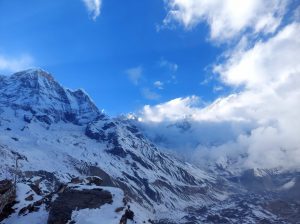
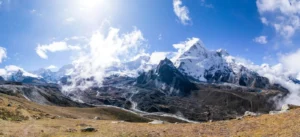
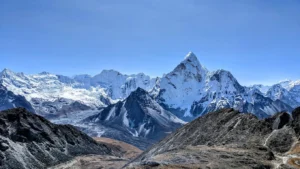
From the top of Cho La Pass, you can see beautiful Himalayan peaks all around. Mountains like Ama Dablam and Cholatse stand tall and look very close. The view feels wide and open, and many trekkers take a moment to rest and enjoy the scenery. Reaching the top brings a strong feeling of achievement after hours of walking.
The final steps to the top of Cho La Pass can feel slow and tiring, but they are also very rewarding. Each step takes effort because of the altitude, but the excitement keeps you going. When you finally reach the pass, you will see prayer flags and a small sign marking the crossing point. It is a simple place, but it feels very special.
After crossing Cho La Pass, the trail goes down towards Gokyo. The descent can also be steep and requires careful walking, especially on loose rocks or icy sections. Even though going down feels easier than climbing up, it still needs attention and balance.
Throughout the day, crossing Cho La Pass gives a mix of challenge, beauty, and emotion. You feel the cold wind, hear the crunch of ice under your boots, and see some of the best mountain views in Nepal. It is not just a physical journey, but also a moment that many trekkers remember for a long time.
Best Time to Cross Cho La Pass Safely
Choosing the right time to cross Cho La Pass is very important for a safe and smooth trekking experience. Weather in the high mountains can change quickly, and the condition of the trail depends a lot on the season. Picking the best season helps reduce risk and makes the journey more enjoyable.
The best time to cross Cho La Pass is during spring, from March to May. In this season, the weather is usually clear, and the skies are bright. The temperature is cold but not too extreme compared to winter. Snow from winter may still be present, but the trail is often more stable and easier to follow. The views of the mountains are also very clear, which makes the trekking experience even better.
Another good season to cross Cho La Pass is autumn, from September to November. This is one of the most popular trekking times in Nepal. After the monsoon rains, the sky becomes clean and the visibility is excellent. The trails are mostly dry, and there is less chance of fresh snow blocking the path. The weather is stable, which makes crossing high passes safer for trekkers.
During these two seasons, crossing Cho La Pass becomes more manageable because the risks are lower. The glacier section is usually more predictable, and the trail is easier to see. Guides and trekkers can plan the crossing day with more confidence when the weather is stable.
Winter, from December to February, is not the best time to cross Cho La Pass. In this season, heavy snowfall can block the trail completely. The glacier becomes more icy and dangerous, and strong winds make the temperature feel very cold. Sometimes, the pass may even be closed due to unsafe conditions. Trekking during winter requires extra experience and careful planning.
The monsoon season, from June to August, also brings challenges to Cho La Pass. During this time, the trails can become wet and slippery due to rain. Clouds often cover the mountains, reducing visibility. Landslides and unstable paths can also occur in some areas. Even though the Everest region gets less rain compared to other parts of Nepal, the conditions are still not ideal for crossing high passes.
For most trekkers, planning the journey in spring or autumn gives the best chance to cross Cho La Pass safely. Clear weather, stable trails, and better visibility all make a big difference when walking at high altitude. Keeping track of weather forecasts and listening to local guides also helps in choosing the right day to cross.
Important Tips for Crossing Cho La Pass
Crossing Cho La Pass is a big part of the Everest Three Passes Trek, and good preparation makes a big difference. Simple planning and careful steps can help you stay safe and enjoy the journey. These tips are useful for both beginner and experienced trekkers.
Start your day early when crossing Cho La Pass. Most trekkers leave Dzongla before sunrise. Morning weather is usually more stable, with less wind and better visibility. Walking early also gives you enough time to cross the pass before clouds or snow can affect the trail later in the day.
Wear proper trekking boots for Cho La Pass. The trail is rocky, steep, and sometimes icy. Good boots with strong grip help you walk safely on uneven ground. In colder months, carrying microspikes can be very helpful, especially when crossing the glacier section. They give extra grip on ice and reduce the chance of slipping.
Walk slowly and stay hydrated while heading towards Cho La Pass. At high altitude, your body needs more time to adjust. Fast walking can make you tired quickly and increase the risk of altitude sickness. Take small steps, rest when needed, and drink water often. Even if you do not feel thirsty, it is important to keep your body hydrated.
Going with a guide is a smart choice when crossing Cho La Pass. The trail near the top includes a glacier, and the path is not always clear. A guide knows the safe route and can help you avoid risky areas. They also understand weather changes and can decide the right time to move forward or wait.
Always check the weather before crossing Cho La Pass. Weather in the mountains can change quickly, and strong winds or snowfall can make the trail dangerous. Ask your guide or lodge owner about the latest conditions. If the weather is not good, it is better to wait for a safer day.
Carry the right gear for Cho La Pass. Warm clothes, gloves, a hat, and sunglasses are important. The wind can be very cold, and the sun can be strong at high altitude. A backpack with snacks, water, and basic first aid items will help you stay comfortable during the long day.
Stay focused on the trail while crossing Cho La Pass. Some sections are narrow and require careful steps. Avoid distractions and keep your balance, especially on rocky or icy parts. Using trekking poles can give extra support and reduce strain on your knees during both ascent and descent.
These simple tips help make crossing Cho La Pass safer and more manageable. Careful planning, the right gear, and a steady pace allow trekkers to handle the challenges of this high mountain pass with more confidence.
Make an Inquiry


 January 27, 2026
Best Everest Trek – Compare EBC, Panorama, Heli & Gokyo Lake Routes
Introduction: Which Everest Trek is Best for You? Everest trekking is one of the most popular adventures in the world....
 March 17, 2026
Crossing Kongma La Pass – A Tough but Beautiful Himalayan Adventure
Where is Kongma La Pass Kongma La Pass is a high mountain pass in the Everest region of Nepal. It...